Madeline Baker, Times Chronicle
An Okanagan Falls resident who raised procedural concerns about the RDOS’s treatment of his Temporary Use Permit (TUP) application has been granted the right to re-apply without waiting the customary 12 months.
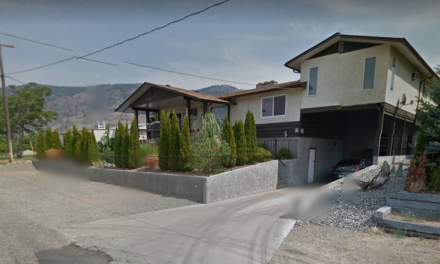
Grant Temple and Michelle McCreavy applied to allow vacation rental use of their Vaseux Lake property at the May 5 regional board of directors meeting. Their application was denied at that time, but Temple felt that he and McCreavy were denied vital information that eventually swayed the board’s decision.
Temple’s application to waive the customary wait period between TUP applications was read at the June 16 board meeting, which gave him the opportunity to present his concerns to directors about what he called “multiple procedural abnormalities, errors, and oversights that put [Temple and McCreavy] at a disadvantage.”
At the May 5 meeting, where a motion was put forward to approve the TUP, Area D director Ron Obirek presented a counter-motion to deny the application on the basis of community concerns that had been addressed in letters to the RDOS. At that time, he did not verbally specify the nature of those concerns or content of the letters.
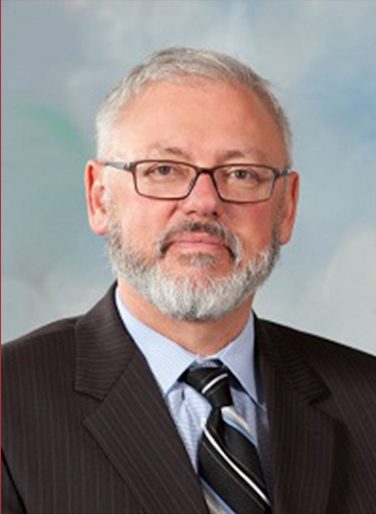
Ron Obirek (photo: RDOS)
These letters were made available to Temple in a section of the RDOS website titled “representations,” but Temple did not receive a direct link to the page dealing with his specific application and struggled to navigate the website at all. As such, he stated that he had no knowledge of public complaints and could not defend himself against them.
An email sent by RDOS staff (Temple chose not to give the employee’s name) later confirmed to Temple that a direct link is usually sent to applicants, and the failure to do so in his case was an accidental oversight.
The staff member also offered the opinion that “If you did not know to look for [the letters], I understand how they could be missed.”
Without understanding the nature of the complaints against him, Temple said he was unable to use his opportunity to speak on his own behalf in any helpful way after Obirek’s counter-motion. Instead, he introduced himself and his wife as retirees looking to supplement their income and “trying their best” to meet all RDOS specifications, which they believed they had done.
Obirek then questioned Temple in regards to a deck on their property that they had rebuilt without the appropriate permits, claiming that nearby members of the community had brought up the deck’s non-compliance to them, and Temple “or someone on behalf of [Temple]” had told them that “it’s easier to seek forgiveness than permission.”
Temple denied having spoken those words and characterized the failure to apply for proper permits as “accidental”, but Obirek went on to characterize Temple and McCreavy as inconsiderate community members, again referring in general terms to the volume of concerns raised in public letters.
At that point in the meeting, Temple had been muted to allow the board to deliberate and was therefore unable to ask about the nature of the other concerns to which Obirek referred. “Being muted with no option to inquire sealed our fate,” Temple later said. “This truly is an unfair way of determining the truth in this matter.”
Temple addressed this at the June 12 meeting as a legal issue of “double hearsay” that had been used to “defame” the couple, particularly because the meeting chair declared matters relating to the deck irrelevant at the time and directed Obirek to remain on topic.
Obirek rejected the notion of double hearsay and said that “the fact that somebody else said something to somebody else is not the point” because he still offered Temple a chance to refute the statement and he did.
Regardless of their specific reasons, the board’s decision to deny his TUP application left Temple and McCreavy feeling that they had not been given adequate opportunity to address any claims that had been made against them, and news of the letters they had never known how to access led Temple to consult a lawyer.
“This is not a lay, vendetta-based opinion,” said Temple at the June 16 meeting. “It is an opinion based on legal precedents and that’s why we asked [a lawyer] to look through it and review it.”
Summarizing the crux of his argument, Temple said: “If someone is told that there’s an objection to their application, they must be told what the objection is. Issues unrelated to the application were brought forward and we were not given a chance to respond.”
Obirek once again offered a counter-motion to deny Temple’s application to waive the waiting period between TUP applications, using the public concern as his rationale and saying that “there’s a history involved of not having a permit and doing it for many years, and in that context, we had a lot of people not happy.”
However, Obirek agreed with Temple that the RDOS website was not clear enough in directing applicants to all relevant information regarding their applications, and he supported a review of their communication process going forward.
The rest of the board ultimately agreed that Temple deserved a second chance to present his TUP application without the problems that dogged his first attempt. His application to waive the 12-month wait period was approved, with only Obirek voting in support of his motion to deny the application.
At the time of publication, no members of the RDOS board of directors responded to requests for a statement regarding this incident.