By Sebastian Kanally, Times Chronicle
Taking away people’s rights, over-regulated, and over-complicated were just some of the words being thrown around when the Regional District of the Okanagan-Similkameen (RDOS) discussed yet again new laws around Short-Term Rentals (STR).
“You have to step back and give your head a shake for how regulated we want to be, this is getting out of control folks,” Bob Coyne, director of electoral area “H” pointed out.
The RDOS has been trying to establish changes to local zoning bylaws and Official Community Plans (OCP) to regulate STRs after the province gave regional districts the authority to regulate them back in 2023.
This is turning out to be a more difficult task than the RDOS had anticipated.
Riley Gettens, director of Area “F”, Greater West Bench, Rural Summerland, Okanagan Lake West expressed this when she said, “I can feel that the room is getting kind of frustrated.
“It’s complicated because we are trying to make a bylaw work in so many different areas with so many different pressures, and the bylaw is a limited black and white document. There is just that fluidity that we have throughout the region.”
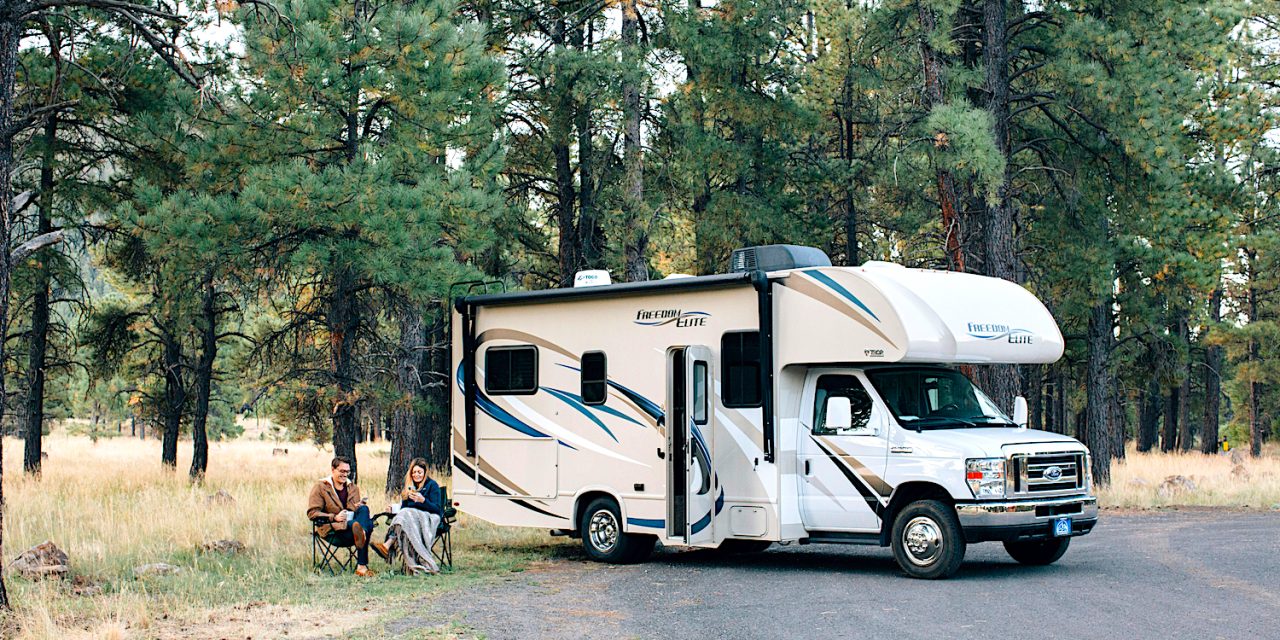
One of the changes that caused the most amount of disagreement and tension at their May 8 Planning and Development Committee was around allowing Recreational Vehicles (RV) on a property, when the property already operates a STR.
The current zoning bylaw allows an owner in certain zones to have one RV belonging to a guest or visitor parked on their property for 90 days between May and September.
The latest proposed change would be to “prohibit the use of a recreational vehicle (RV) on a property by friends or family of the owner if a business licence for an STR has been issued.”
This proposed regulation would mean that if a community member has a vacation rental, and it is occupied, a family member, such as a brother, would not be allowed to visit in his RV and stay in his RV.
This request was primarily pushed by Subrina Monteith, director of Electoral Area “I” Kaleden.
“Staff felt that the underlying justification here justified it being applied to all the areas,” an RDOS staff member had commented in the discussion.
Adrienne Fedrigo, director of Electoral Area “E” Naramata explained, “I don’t agree with that for my area . . . Everyone loves the Okanagan, and they want to come here and if we are losing campgrounds and we are losing other spaces for people to stay. A lot of rural residents have the space to be able to accommodate that.”
Bob Coyne expressed his frustration, saying that, “This is getting so overly complicated, and we are taking people’s basic rights to have their company come and visit with them away because they are going to stay in their RV because they have another business on their property.”
“Man oh man, as Spencer Coyne mentioned earlier, we are making bylaws to make more bylaws for Pete’s sake, you have to step back and give your head a shake for how regulated we want to be, this is getting out of control folks.”
Mark Pendegraft, director of Area “A” rural Osoyoos, Matthew Taylor, director of Electoral Area “D” Okanagan Falls, among others, said they would not want to be included in this.
Montieth tried to explain her intention with the bylaw change, “Director Coyne, I agree with you, I have no intent of taking away people’s rights to have guests in RVs. My concern is with having two vacation rentals on a property, the property owner not there because they are not in the home, and now you have three or four RVs on the property. Now you have five vacation rentals on the property. That’s what is happening in Kaleden. That’s my concern.”
She further commented that there could be changes to the language, “but I definitely want the intent”, because these RV’s can be effectively stacked on a property to have de facto STRs.
Gettens reoriented the discussion around these bylaws to the fact that this was originally intended to be a test run and not a completed project out of the gate.
“We went into this as a one-year pilot, knowing that there will be changes because we are not going to be able to anticipate everything that is not going to work. I think if we just take that lens, that it’s going to be a pilot, it’s not going to be perfect, and we can make some changes, that’s how I’m approaching it with area F.”
For electoral areas “A”, rural Osoyoos and “C”, rural Oliver, the bylaws will allow up to two STRs per property.
One business license will need to be obtained, at a cost of $500, to authorize up to two STR businesses per parcel.
Once RDOS staff returns to the board with more changes, and these are agreed upon, the previously received public feedback will be outdated and not reflective of the new direction being pursued.
There will then have to be newspaper notifications, letters sent out to existing Temporary Use Permit (TUP) holders, public information meetings, and notifications sent out on VoyentAlert!
For more information visit the RDOS’ Vacation Rental Review.