By Times Chronicle Staff
The Okanagan Community Bat Program (OCBP), in collaboration with the Province of BC, is asking the public for help in the effort to detect and prevent the spread of White-Nose Syndrome (WNS).
Okanagan residents are urged to report any bat activity observed in winter and any sick or dead bats found before May 31, 2023.
White-Nose Syndrome is a fungal disease that is harmless to humans and pets, but has devastated North American bat populations. The fungus attacks bats while they are hibernating, growing on their faces to give an appearance of a white nose.
Bats often wake to clean the fungus from their skin. This uses valuable energy, and ultimately the bats die from starvation.
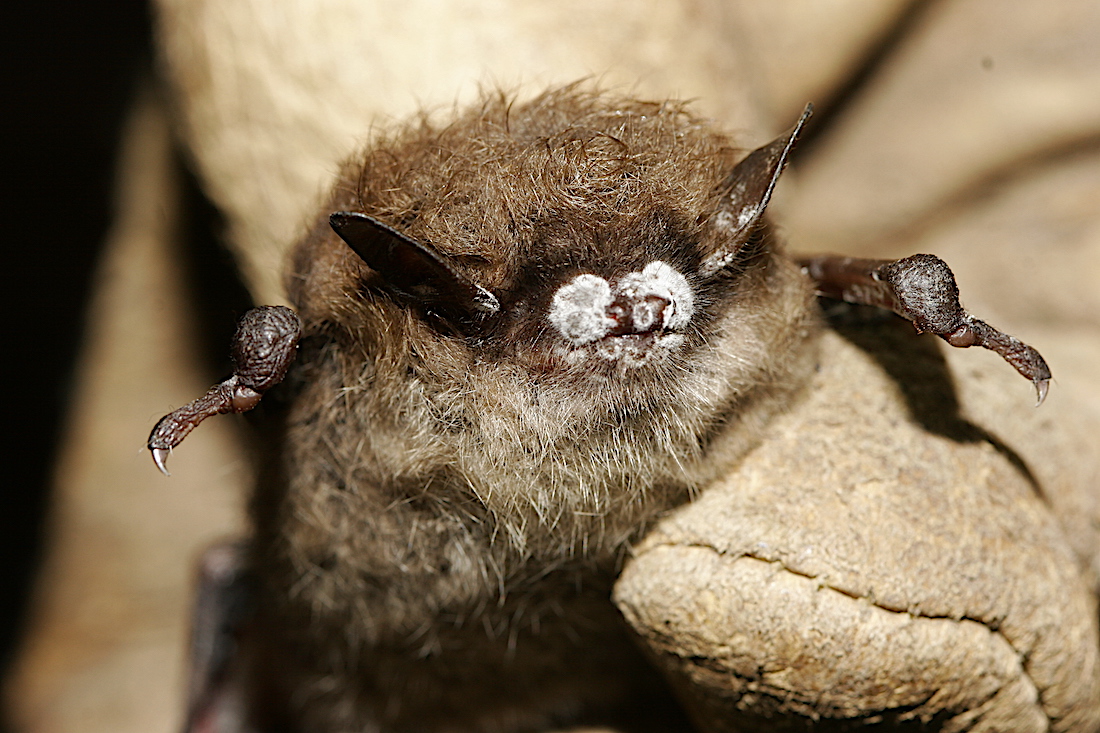
A Little Brown Bat displaying the characteristic fungal appearance of a white nose. Photo courtesy Ryan von Linden/New York Department of Environmental Conservation.
Across North America, millions of bats have been killed, and two BC species are now listed as “Endangered” due to the disease.
First detected in New York State in 2006, the disease continues to spread, with detections on the west coast close to Seattle and in south-central Alberta. Biologists say the arrival of WNS in BC is imminent.
According to the Bat Program, increasing the number of reports from the public is “the best chance to understand how WNS might spread and affect local bat populations.”
There is currently no proven treatment for WNS but the OCBP notes several “promising treatment options” are being developed that may help mitigate the effects of this wildlife health crisis.
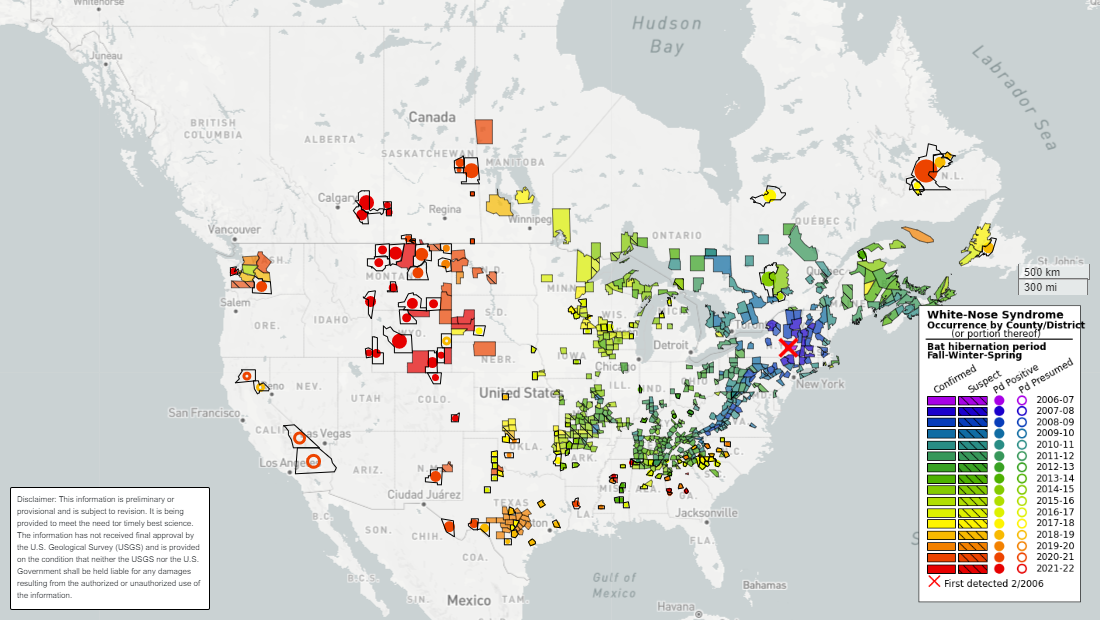
Mapping the spread of White Nose Syndrome which was first recorded in New York State (marked with a red ‘X’).
The bats of BC are key predators of many night-flying insects and an essential part of BC’s ecosystems. They also provide billions of dollars of economic benefit by helping control agricultural, forest, and urban pests, according to the OCBP.
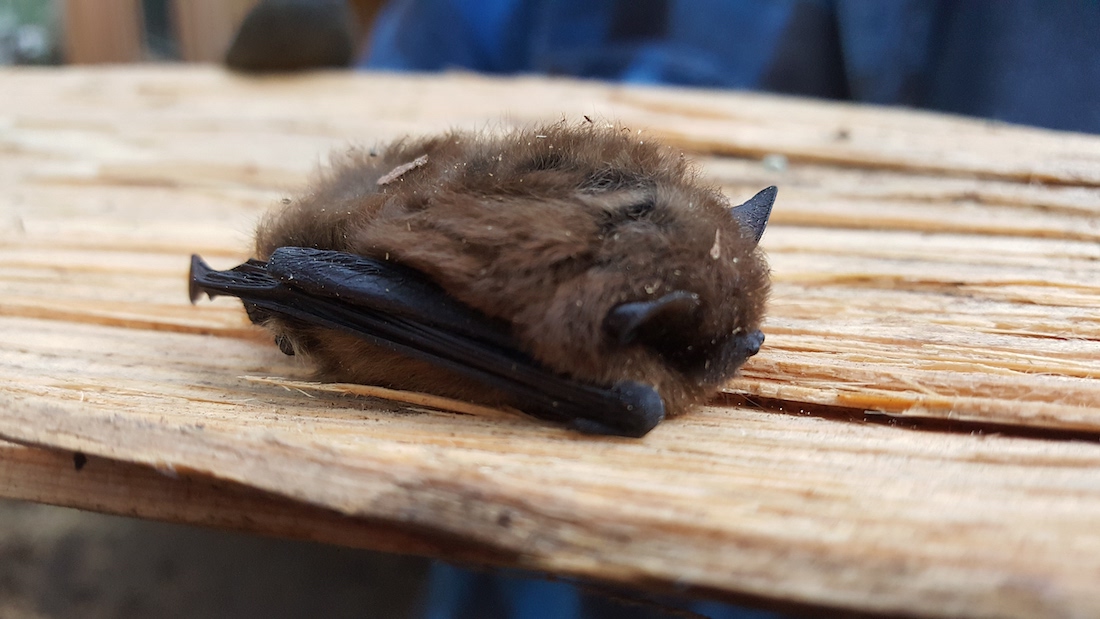
If you find a dead bat or have sightings of winter bat activity, please report to the BC Community Bat Program online at bcbats.ca, email at [email protected] or by calling 1-855-922-2287 ext.13. All live bats should be left alone. Keep your distance, snap a photo and report it to the BC Community Bat Program.
If you must move a bat, visit bcbats.ca for advice and never touch a bat with your bare hands. If you or your pet has been in direct contact with a bat the OCBP advises seeking further information due to the risk of rabies to you and your pet.