Canada loses measles elimination status
In what amounts to a national embarrassment on one side of the coin and a public health failure on the other, Canada has lost its measles elimination status, something it has held for 25 years.

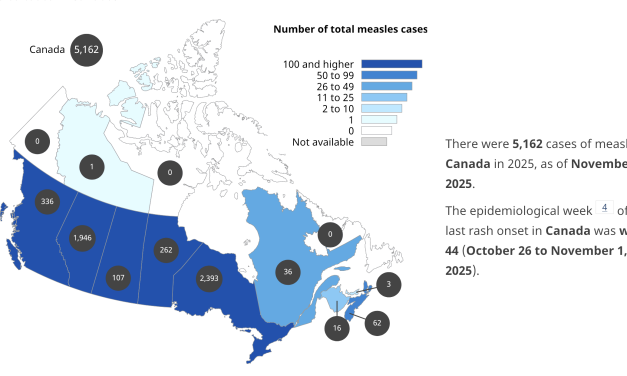
In what amounts to a national embarrassment on one side of the coin and a public health failure on the other, Canada has lost its measles elimination status, something it has held for 25 years.
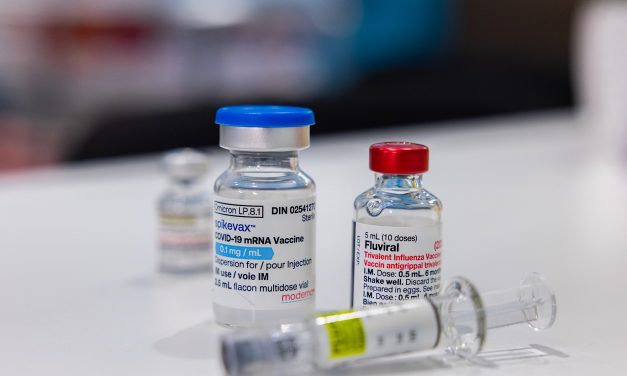
BC’s public health authorities are calling on British Columbians to protect themselves, their loved ones and their communities from influenza, COVID-19 and other viral respiratory illnesses, as the 2025-26 immunization campaign is underway.
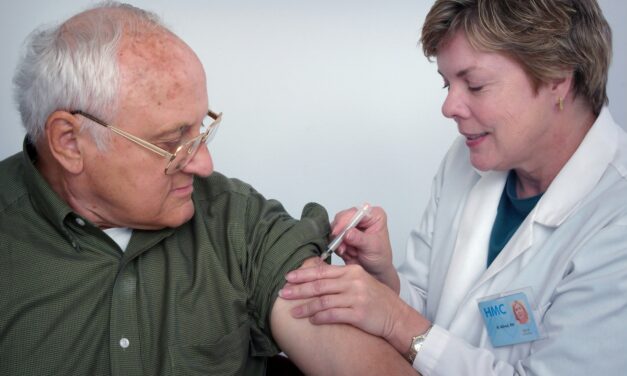
While Canadians are still knee deep in the trials and tribulations of winter, Canada’s National Advisory Committee on Immunization is already looking to spring when it says certain groups of people vulnerable to severe illness from COVID-19 should get an extra dose of the latest vaccine.
Hospitals in the Interior Health region are inundated with influenza cases with six children in the province already dying from complications of the flu so far this season, about double that of an entire normal flu season.
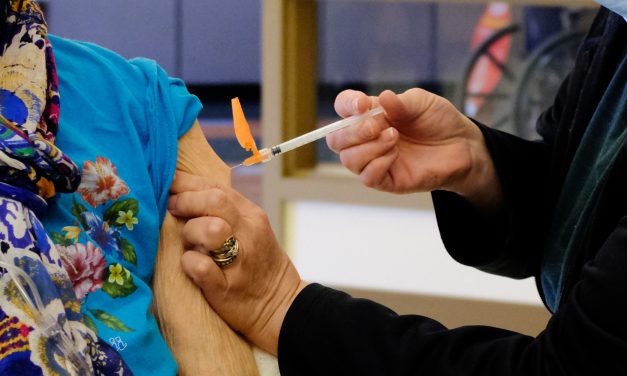
British Columbia health officials are still undecided on whether fourth vaccine doses will be made available to the general population as immunity to COVID-19 wanes and the possibility of future, more transmissible variants loom.
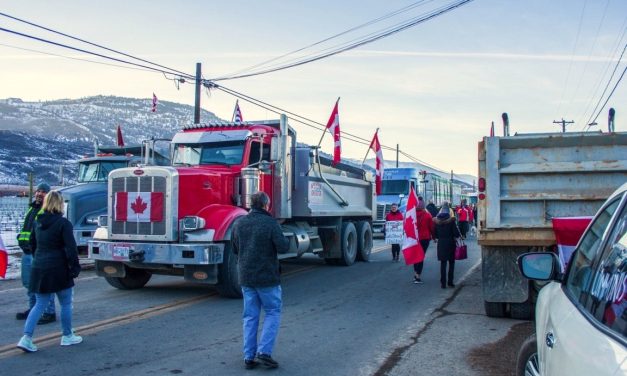
While the Emergencies Act is clearly focused on Ottawa and significant border points such as Windsor (to ensure it remains open), Coutts Alberta (where a cache of weapons and ammunition resulted in arrests), and Surrey here in B.C., it’s not clear what the impact if any, will be for protests at smaller border crossings such as Osoyoos.
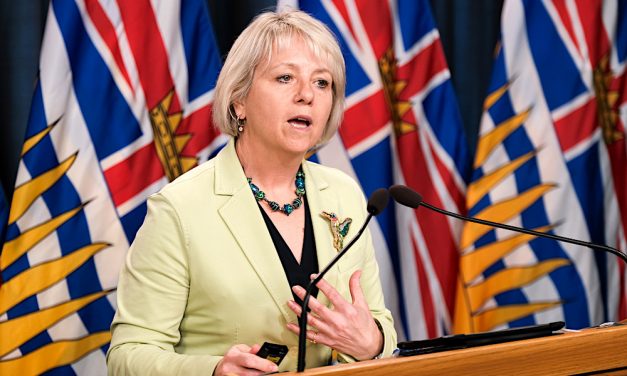
Restrictions in the Interior Health region are being eased as the BC Vaccine Card comes into effect, B.C.’s provincial health officer announced Monday alongside mandated vaccinations for all health care workers and booster shots for the severely immunocompromised.


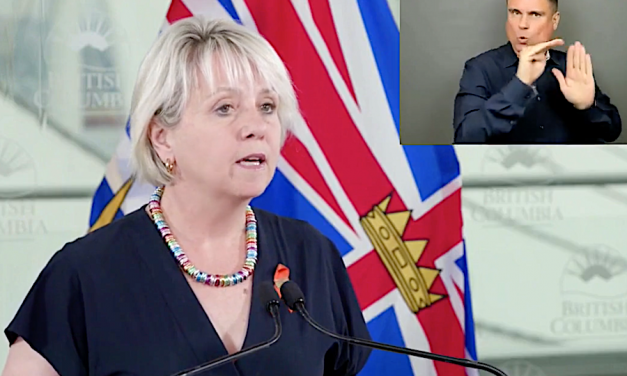
COVID-19 restrictions including mandatory masks indoors and limits on indoor and outdoor gathering have returned to the Southern Interior.
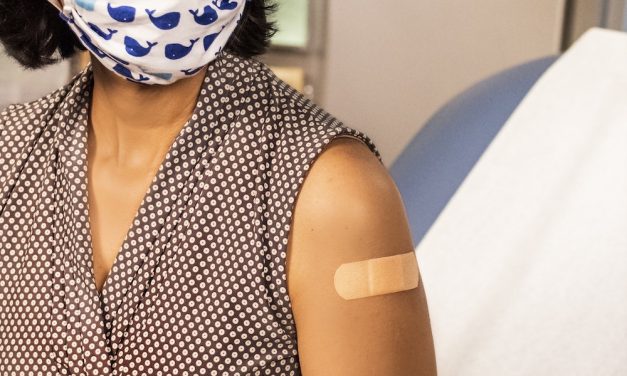
The province has announced COVID-19 vaccinations will be mandatory for workers in long-term care homes and assisted living facilities with an Oct.12 deadline for a double dose.