By Sebastian Kanally, Times Chronicle
Hospitals in the Interior Health region are inundated with influenza cases with six children in the province already dying from complications of the flu so far this season, about double that of an entire normal flu season.
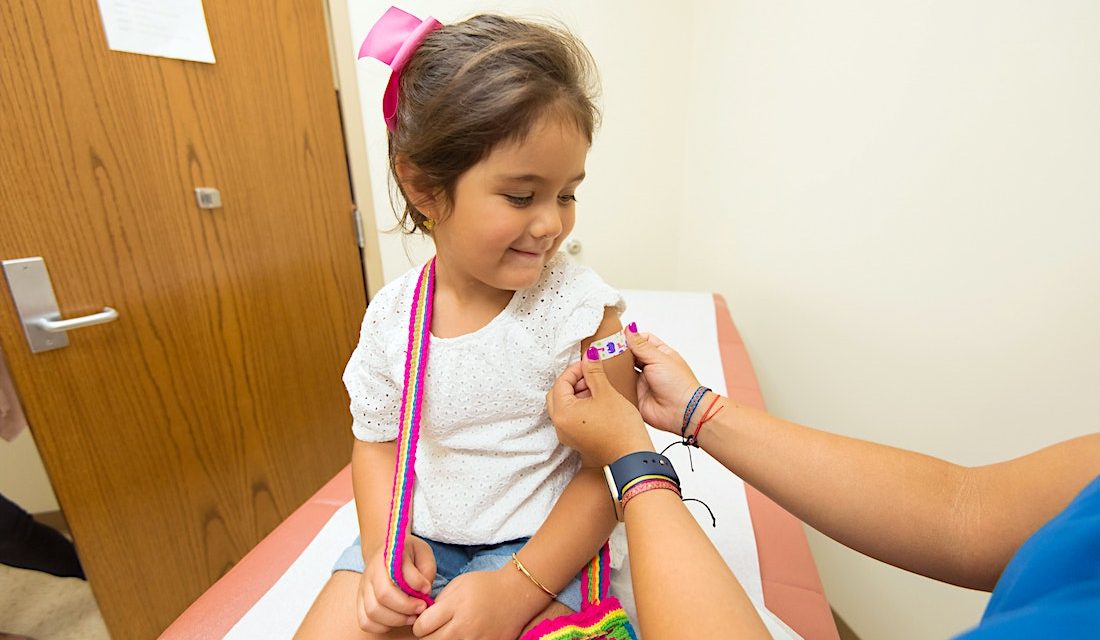
The province announced a “vaccination blitz” in a concerted effort to get more people vaccinated before the holidays resulting in a 30 per cent jump in vaccinated individuals across the province.
Dr. Bonnie Henry, BC’s Provincial Health Officer addressed the influenza-associated deaths among children on Thursday, Dec. 8. She said that the BC Centre for Disease Control is reassuring the public that “it is important to know that death associated with influenza in previously healthy children continues to be rare.”
The province’s vaccination blitz, announced on Dec. 8, resulted in over 77,500 people getting vaccinated last week (Dec. 5-11), 42,582 people on the weekend alone. The Interior saw 1,296 children 6 months to 4 years old get vaccinated, and 1,478 children 5-11 years old in this span.
Public health officials will continue to monitor the situation closely, and they urge everyone to take proper precautions to protect themselves and their children, first and foremost by getting a flu vaccination.
We do have the quadrivalent vaccine, and we know right now what is circulating is the Influenza A (H3N2) variant, and that strain is contained within the vaccine this year . . . I think that is an important piece of information that we do have a vaccine that is well matched to the circulating strain right now. – Dr. Sue Pollock, Medical Health Officer for Interior Health
Interior Health said in response to questions about hospitalization numbers on Dec. 8 that they are “overcapacity at many hospitals” and “seeing a higher number of patients with influenza than previous years”, but they were quick to note that they have a plan for this and can accommodate the extra patients.
Interior Health also commented to the Times Chronicle on the severity of the hospitalizations saying that “many patients we are seeing are more complex and require longer lengths of stay before they can be safely discharged.”
Dr. Sue Pollock, Medical Health Officer for Interior Health told the Times Chronicle that the last couple of years has seen surprisingly little influenza. “Really no influenza or respiratory viruses spread that we normally see; because of that people did not have the opportunity to be exposed and build up immunity, and we probably had less [flu] immunizations as well.”
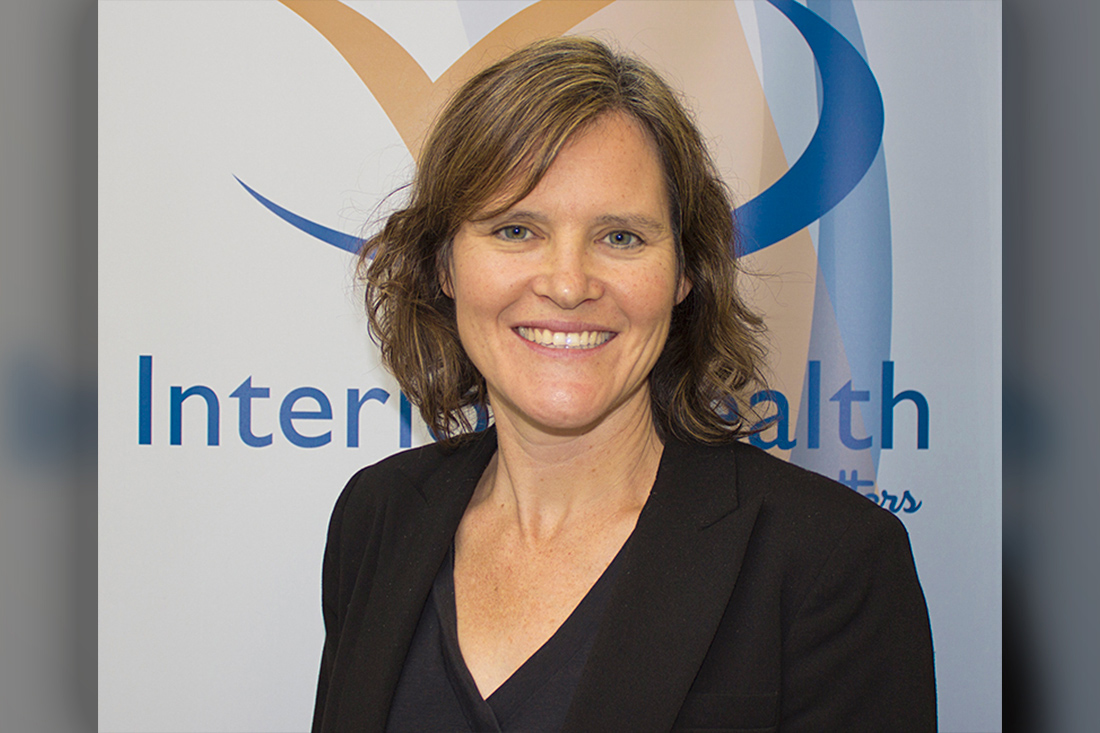
Dr. Sue Pollock, Medical Health Officer for Interior Health.
Pollock concluded this thought by saying, “this is certainly an unusual start to the flu season.” Dr. Bonnie Henry, the Provincial Health Officer for B.C, echoed a similar statement on lack of immunity in her Monday, Dec. 5 provincial health brief.
The flu season typically extends from November till the end of March, with the peak occurring around late December to January meaning we are still early in the flu season. Pollock continued to say “we are seeing quite a significant increase now, which could last four weeks or longer.” Although she is positive saying “we do have the quadrivalent vaccine, and we know right now what is circulating is the Influenza A (H3N2) variant, and that strain is contained within the vaccine this year . . . I think that is an important piece of information that we do have a vaccine that is well matched to the circulating strain right now.”
Pollock added on Dec. 9 that vaccination numbers in the Interior Health region for ages 11 and below are about five per cent lower than the provincial average of 20 per cent, and therefore “we have some work to do we certainly want to get those numbers higher.”
The increase in severity this year could be linked to multiple factors, but Henry in the provincial update on Monday did mention that due to the last few years of the pandemic, children have not been exposed to such viruses and therefore may have less immunity.
This influenza variant, H3N2, is a particular concern for children and seniors, especially anyone with already existing health issues. Vaccination also does not take effect immediately. Pollock told the Times Chronicle that after vaccination “likely within a week you will start to be protected”.
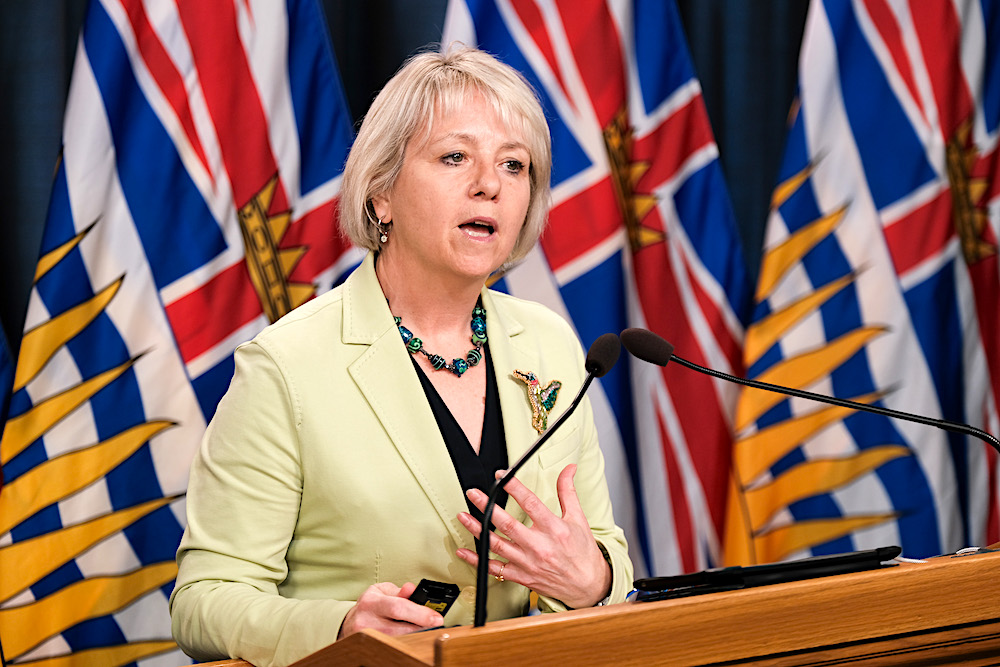
Dr. Bonnie Henry, the Provincial Health Officer for BC.
This variant of the influenza virus and its impact on the healthcare system is made more significant due to the co-presence of the Covid-19 pandemic and the presence of RSV (respiratory syncytial virus), a respiratory virus that has been circulating as well.
This combination has led to people referring to a “tri-demic”; with these viruses combining to overwhelm the healthcare system.
Residents of Oliver and Osoyoos will have the opportunity to get vaccinated at the Oliver Recreation Centre on Dec. 15 or travel to Penticton where more frequent vaccinations are held. More information can be found on the Interior Health website.
Henry urged preventative measures saying: “With multiple respiratory illnesses circulating and an early start to influenza season, everyone needs to take preventative measures. This means staying home if you’re sick, frequently washing your hands and following proper respiratory etiquette, such as covering your coughs, properly disposing of tissues, and wearing a mask when appropriate.”