By Times Chronicle Staff
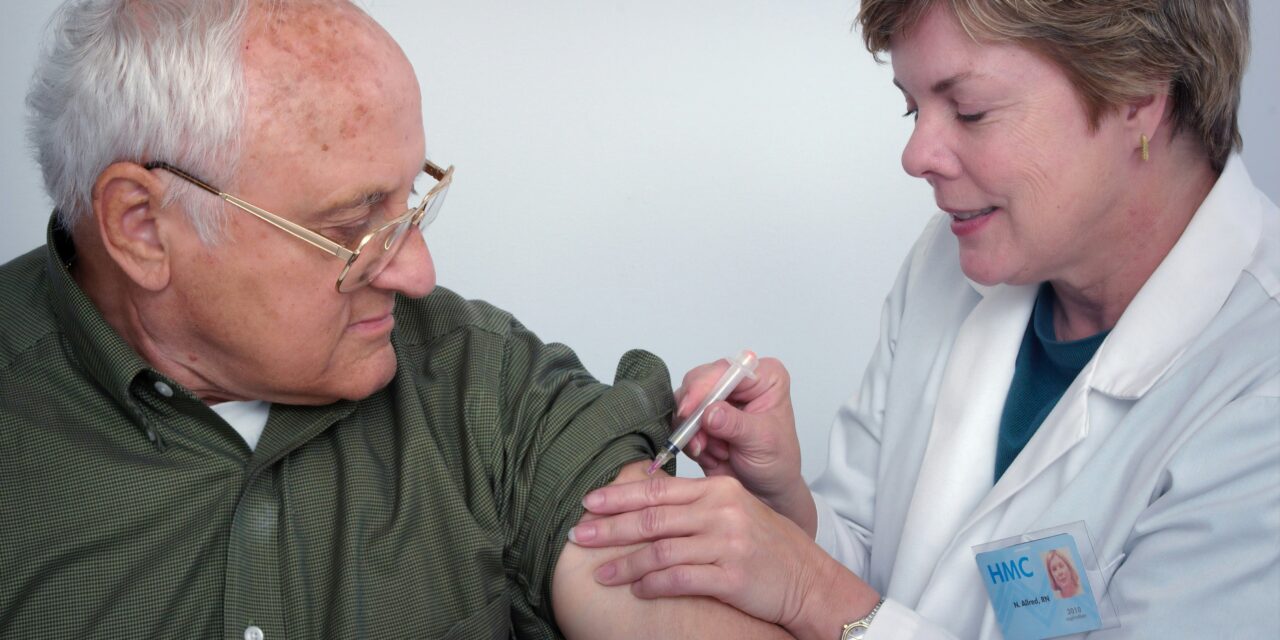
While Canadians are still knee deep in the trials and tribulations of winter, Canada’s National Advisory Committee on Immunization is already looking to spring when it says certain groups of people vulnerable to severe illness from COVID-19 should get an extra dose of the latest vaccine.
Last Friday, NACI released updated guidelines on the COVID-19 boosters for spring 2024 to raise awareness early as well as aid in public health vaccine program planning.
“A sufficient supply of XBB.1.5 vaccine has already been federally purchased and is expected to be available to support a spring 2024 campaign,” NACI said.
“However, a spring program would involve additional resources for implementation, compared to a fall program that can take advantage of the infrastructure of the long-established influenza vaccine program.”
Starting in the spring of 2024, NACI recommends that the following Canadians who are at increased risk of severe illness from COVID-19 may receive an additional dose of XBB.1.5 vaccine:
- adults 65 years of age and older
- adult residents of long-term care homes and other congregate living settings for seniors
- children and adults six months and older who are moderately to severely immunocompromised due to an underlying condition or treatment
The risk of severe illness is highest in adults 80 years of age and older however, adults 65 years of age and older are being included in NACI’s recommendation because the risk of severe illness exists in various degrees across that age spectrum.
The advisory committee says it will be especially important for people to get the XBB shot if they didn’t get one in the fall or winter. As of early December, only 15 per cent of people in Canada had received the XBB-targeted vaccine.
Three such vaccines are available in Canada – two mRNA vaccines manufactured by Pfizer-BioNTech and Moderna and a non-mRNA vaccine manufactured by Novavax.
Although mRNA COVID-19 vaccines are “preferred,” NACI said Novavax’s Nuvaxovid should be offered as a booster to adults 18 years of age and older who are “unwilling or unable to receive an mRNA vaccine.”