By Don Urquhart, Times Chronicle
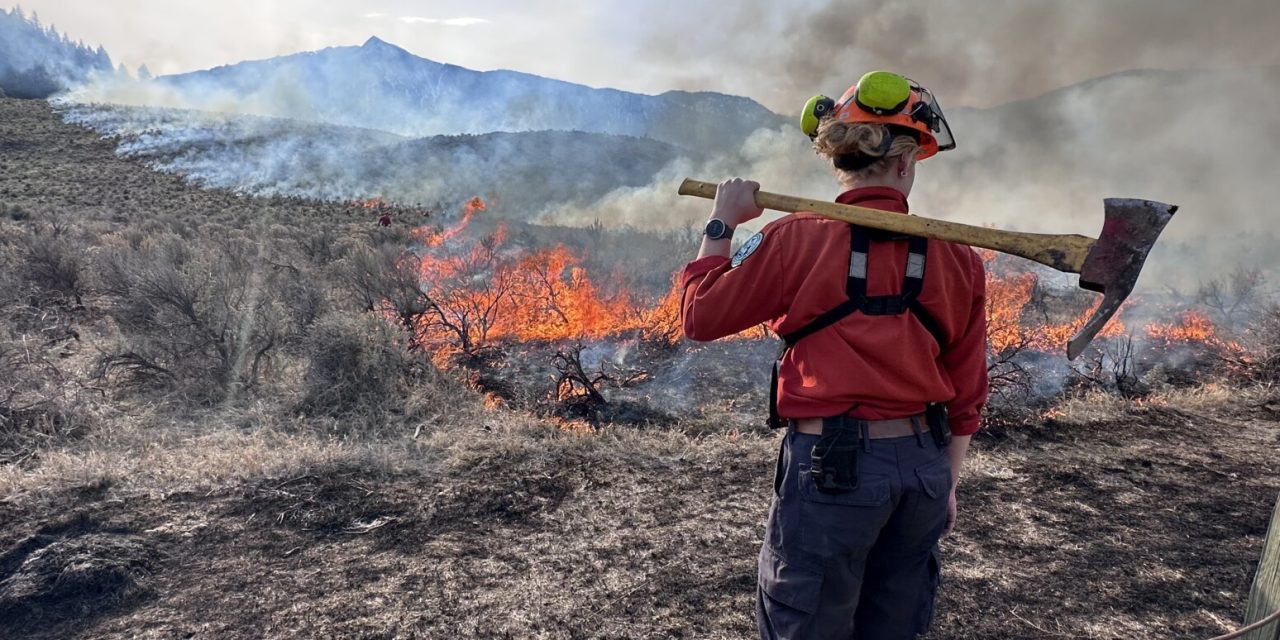
The BC Wildfire Service, BC Parks and the Lower Similkameen Indian Band (LSIB) are set to begin a cultural burn in the lower Similkameen Nighthawk area which may result in smoke being visible from Osoyoos, Chopaka, Keremeos, Cawston and surrounding areas, and to motorists traveling along Highway 3.
This second phase of the cíkílaxwm (cultural burn) is planned for akɬpʕas (Place of the Nighthawk) covering up to 170 hectares in the western section of the South Okanagan Grasslands Protected area.
This burn follows the first phase earlier this year in March where 280 hectares of grassland and brush were ignited in a prescribed cultural burn in the West Chopaka area between Osoyoos and Cawston. The aim of these cultural burns is to mitigate wildfire risk and enhance wildlife habitat.
The project area is located within the traditional area of the sməlqmix (Similkameen) people about 16 kilometres west of Osoyoos, northwest of the Canada Chopaka and United States Nighthawk Port of Entry.
The area is known as ksisq’iwas (A Split Between the Mountains), nməlqitkʷ (Similkameen River) to the west, the cə̕kʷ̕ncʕan (Pulling Together Travel Trail) to the north, akɬpʕas (Place of the Nighthawk).
Preparatory work, including blacklining (or backburning, to create a firebreak) will begin as early as Monday, October 20, the partners said. The exact timing of this burn will depend on weather and site conditions, but it could begin as early as Oct. 21, weather dependent, the three said.
“Burning will proceed if conditions are suitable and allow for smoke dispersal during burn operations, though smoke may also linger in the following days.”
Key goals of this cultural burn include:
- kł cp̓əlk̓ stim̓ – helping to restore grassland health and ecosystem services to support native plants and wildlife;
- cíkílaxwm – applying fire to the landscape, returning a natural and necessary process to the land base;
- kntwix – helping one another; building collaborative relationships.
They noted that the reduction of sagebrush cover will support an increase in the growth of native grass communities with Sandberg’s bluegrass, Bluebunch wheatgrass, needle and thread grass, and Idaho fescue as well as other culturally important plants such as sp’iƛ’m (bitterroot) and smətsnaləkʷ (desert parsley).
Grassland maintenance through cultural burning also reduces fuel loading which decreases the wildfire risk during the hot, dry summer months. In the 2023 Eagle Bluff wildfire and the 2023 Crater Complex wildfires high fuel loads led to more intense wildfires that were difficult to control.
Noting that fire is a normal and natural process in many of BC’s ecosystems, the BC Wildfire Service said it works regularly with a range of partners to undertake fuel management activities (including the use of controlled burns), to help reduce the severity of future wildfires and related threats to communities.
These projects are carefully planned and only go ahead at the right times and under the right conditions to ensure community and practitioner safety, it added.
The BC Wildlife Federation was also involved for nearly a year ahead of the first phase burning, including deploying cameras to give the project partners the ability to assess how the changes in the land were affecting living creatures in the area.
For more information on Cultural Burning and Prescribed Fire check out the FireSmartBC Youtube video.
To report a wildfire, unattended campfire, or open burning violation, call 1-800-663-5555 tollfree or *5555 on a cell phone or through the BC Wildfire Service mobile app (available for Apple (iOS) and Android devices). For the latest information on current wildfire activity, burning restrictions, road closures and air-quality advisories, visit bcwildfire.ca .