By Roy Wood, Special to the Times Chronicle
Several Osoyoos town-owned buildings are nearing the end of their lives and Council was warned this week that money is going to be needed to deal with their maintenance and eventual replacement.
As preparation of the 2025 budget shifts into high gear, the administration is seeking direction from council about how it wishes to approach various aspects of the town’s financial future.
In a report to council’s Committee of the Whole on Tuesday, community services director Gerald Davis said a recent asset management plan reveals the town owns more than 40 structures and facilities with a replacement value of $151 million.
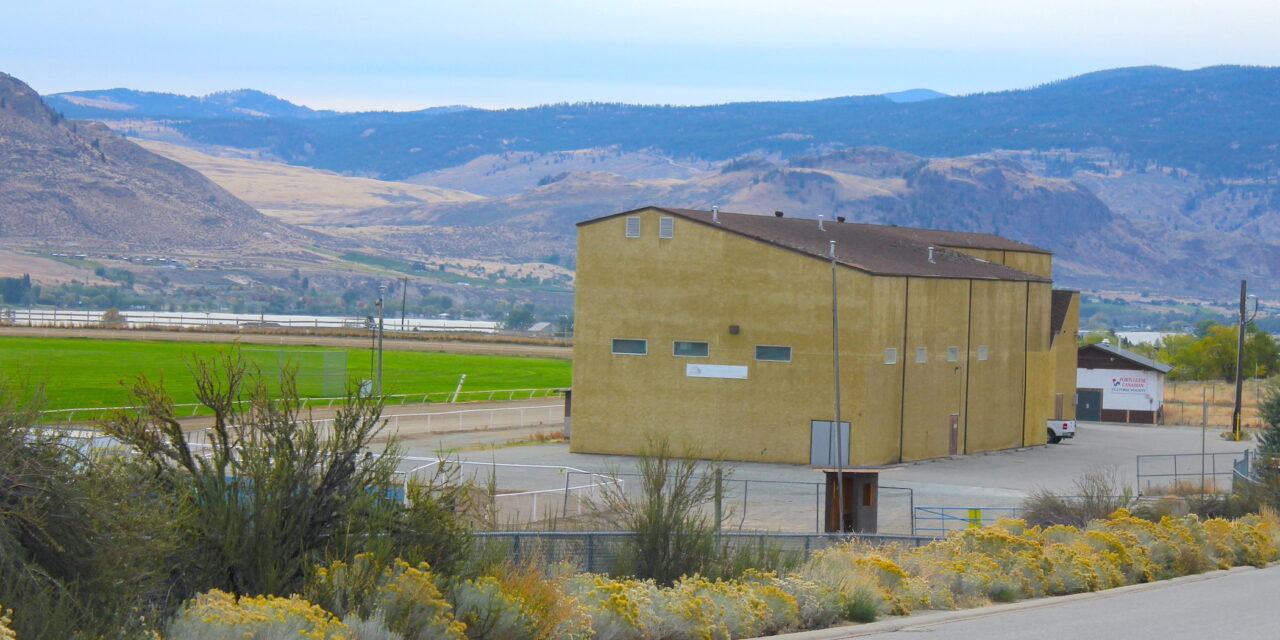
Fourteen of them are listed as in “poor” or “very poor” condition and have a remaining life expectancy of five to seven years. Those assets have a combined value of $26.4 million and include the Desert Park building, town hall, the art gallery building, the Portuguese Canadian Hall and the Cactus Centre.
Davis and town CAO Rod Risling emphasized to members of council that, up until now, the town has done very little to accumulate funds to replace the assets once they reach the end of their useful lives.
“In the past, we never planned for the replacement of buildings when they reached their life expectancy,” wrote Davis.
“There was no planning for end-of-life building replacement or capital improvements on leased buildings. Dedicating reserves over the course of 10-, 15- or 20-year periods were not part of the process.”
“We are pretty much in a zero state right now,” said Risling. “We’ve got to change that practice.”
The report offered two directions for council to consider, although Risling said they were presented mainly to stimulate discussion.
One suggested putting $25,000 per building, or about $1 million, into the “building and structures” reserve fund in the 2025 budget.
“It would be like an emergency fund,” said Davis. “Even if it wasn’t used it would stay in that reserve. … Right now, we have zero.”
The other option centred around increasing the annual budget amount for maintenance of the assets.
Davis’s report noted, “(T)he most cost-effective overall management strategy for facilities is to ensure maintenance is kept up to date.” Industry standards, the report said, would suggest an annual building maintenance budget of between $235,000 and $507,000 based on annual maintenance budgets of between 2–4 per cent of the current replacement value of the building.

The Osoyoos Town Hall is listed as being in “Very Poor” condition.
File photo
Risling noted that in an ideal world, the town would have accumulated more than $70 million in reserves for the buildings’ eventual replacement. “We can’t get there,” he said, “but we’d like some discussion on when we’re going to start to move that needle. … We need some notion of what council would like to do so we have a starting point.”
The CAO added: “We know these numbers are huge and the sooner we can start putting money toward these deteriorating assets the cheaper it’s going to be for our taxpayers.”
In the end, Risling did not get his wish for some direction from council on how to draft the facilities asset management portion of the budget.
Instead, following a suggestion from Councillor Johnny Cheong, the ball was lobbed back into the administration court with a direction “to produce financial modelling options of potential asset management replacement allocations.”
Cheong said council needs to see “the full spectrum of options” for how the town will deal with the issue, including how much the various options would cost the average Osoyoos household.
Central to the forward-looking attitude of Davis’s report is the reliance on the asset management process.
“Developing an Asset Management Policy is important to ensure the Town is employing best practices in managing its assets,” the report says.
“It should be a consistent process to follow and should be practical and straightforward to manage. An Asset Management Policy will be completed soon for Council’s consideration. … It is important to note that a successful asset management program requires a concentrated and coordinated effort of resources and a cultural shift.”