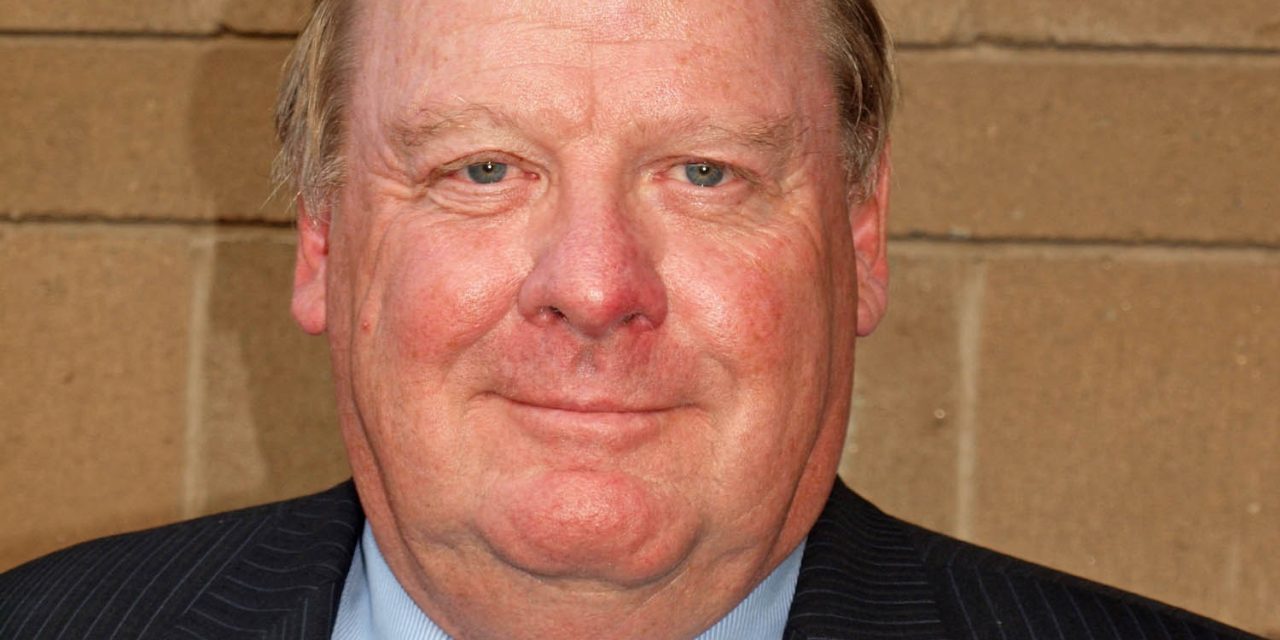
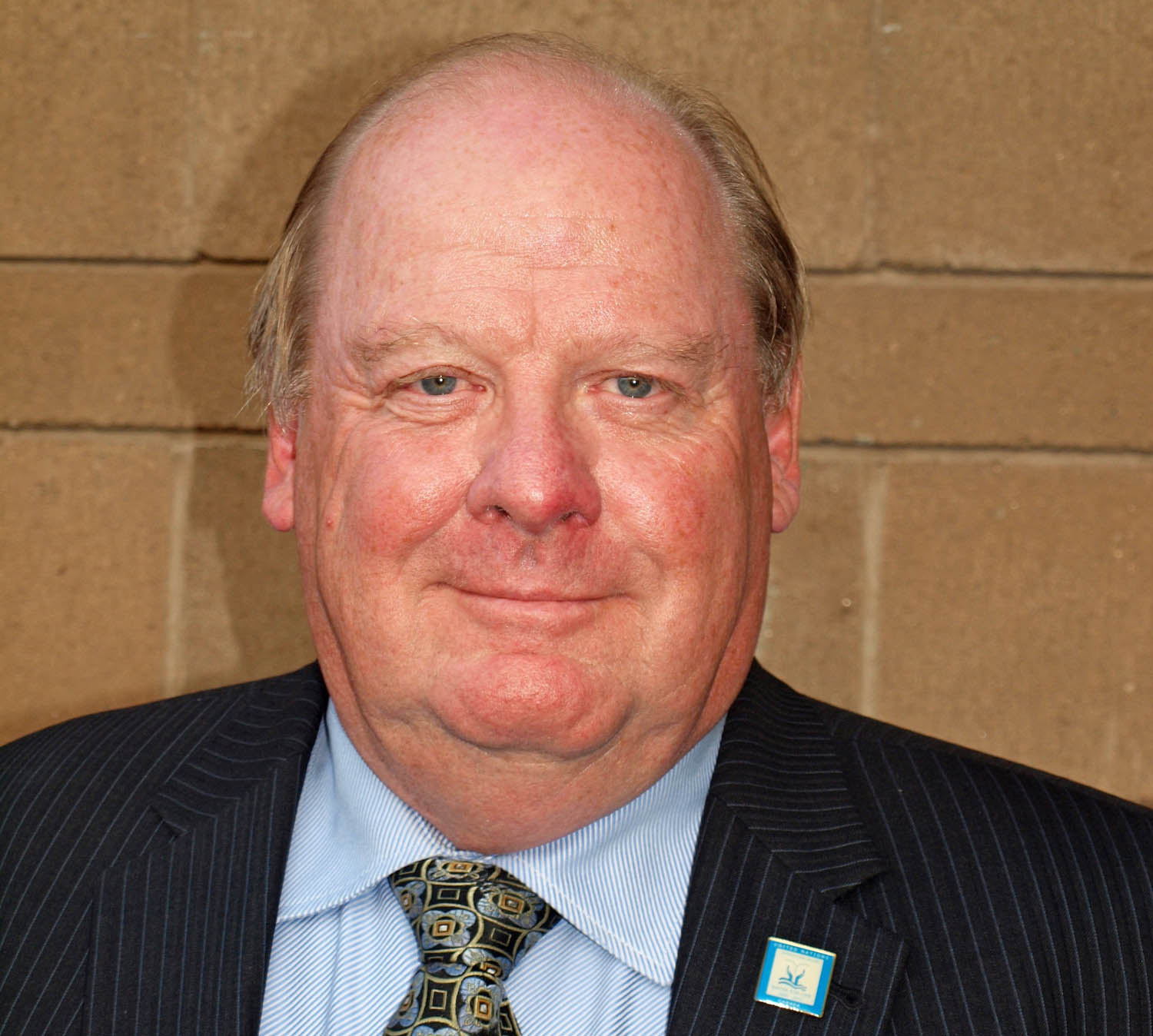
Robert Sandford, one of Canada’s leading experts on hydrology, key water issues and climate change, was the special guest speaker at a forum in Kelowna last week sponsored by the Okanagan Basin Water Board. (Photo supplied)
Humans have changed Earth’s life support systems, so in future, it’s vital we begin to manage our water resources more carefully, warns Robert Sandford, Canadian chair of the UN’s Water for Life initiative on water policy.
Sandford was speaking as part of the Water and Biodiversity Research Forum in Kelowna last week, organized by UBC’s BRAES Institute and sponsored by the Okanagan Basin Water Board (OBWB).
He believes we’re in a new geologic era, the Anthropocene, where humanity has become a major force of changes which are impacting water resources and weather, causing flooding and other disasters around the world.
In the Okanagan, the positive implications include a successful wine industry, but this is balanced against a potential doubling of evaporation in the valley bottom and an increase in fire hazards, even if precipitation increases.
Because of changes to the hydrologic cycle around the world, we are seeing droughts terminated by floods. To manage the risks, we must address the root cause of these hydro-climatic changes, he advised.
“We can’t ignore the economic value of nature ecosystem processes. By protecting and restoring natural ecosystem processes, we can make a difference at the local level. It’s there that we have the power to make changes—at the watershed/basin scale. There, it’s critical to ensure the resilience of nature is restored because it can slow the effects of hydro-climatic change.
“Preserving our prosperity will depend on us deciding to take steps to manage our land use activities and change public policy,” he warned.
Sandford urged that we get moving on conservation of water and aquatic ecosystems and prevent invasive species like zebra mussels from getting a toehold, to maintain biodiversity.
“We need to take this seriously,” he emphasized.
His talk was titled “Climate Disruption and its Consequences; Canada’s energized water cycle”—and he warned his audience that the Okanagan is increasingly vulnerable to climate disruption.
“A lethal combination of factors could lead to a climate disaster,” he warned. Because residents of the Okanagan live in such an arid region, yet use more water per person, per day, than anywhere else in Canada, the impact of changes in climate will be particularly felt here, he said.
He pointed to flooding events in Calgary and Toronto this year and commented, “Maybe water is trying to tell us something.”
“We know that human activities can result in climate change, even without the impact of greenhouse gases. Human changes to the landscape (from dams, wetland draining and infill, agriculture and development) have a huge impact on climate,” he said. Much of Canada’s water is moving to a different place in the hydrosphere – as rain instead of snow or ice.
This summer, half of Southern Manitoba was covered in water, resulting in a million acres not being seeded and in $1 billion worth of damage. One in 300-year weather events on the prairies are now occurring one in three years.
And, in the Okanagan, Mission Creek had three high water events in 2012, and the highest flows on record in 2013.
The stable era in hydrologic conditions is over and it won’t return in our lifetime, he warned.
SPECIAL TO THE TIMES
Osoyoos Times