By Sebastian Kanally, Times Chronicle
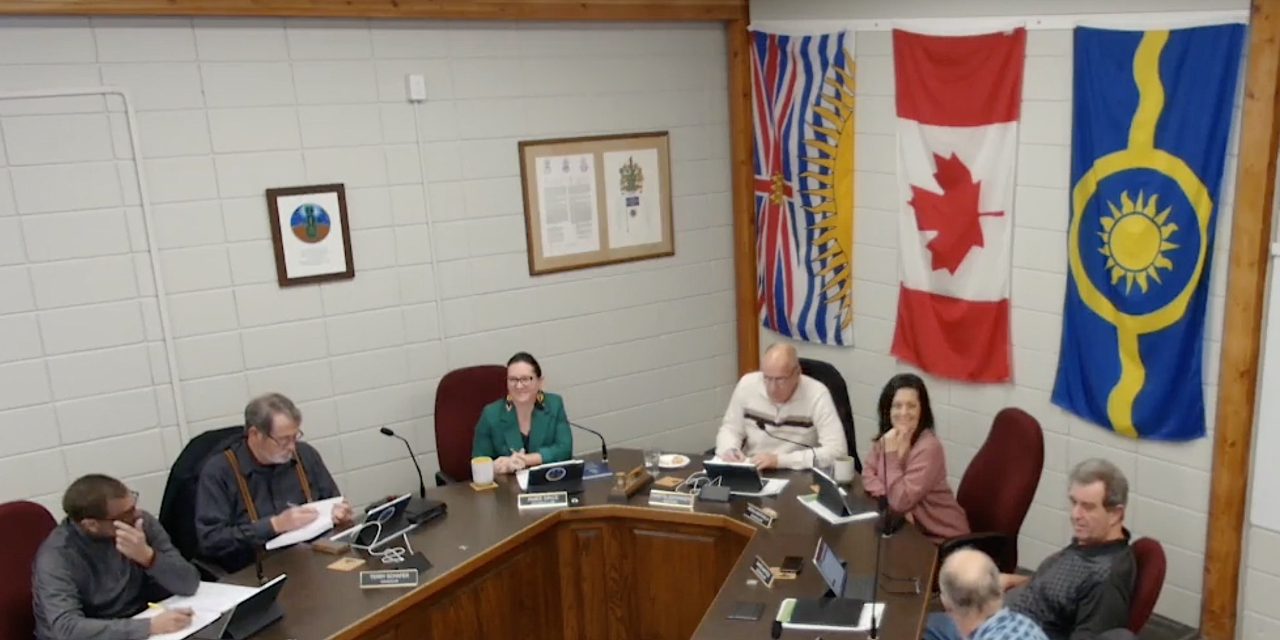
Oliver is making multiple changes to its Council Procedure Bylaw, including new rules for unruly, disruptive or disorderly members of the public attending meetings.
Section 23 of the newly worked on bylaw was created to establish rules of decorum for members of the public.
“The intention of rules of decorum is to ensure council meetings are conducted effectively, to allow members of the public to be heard in a fair, impartial and respectful manner and to ensure meetings are conducted in a way that is open to all viewpoints, yet free from the potential for distracting or intimidating behaviour,” Rochelle Lougheed, Oliver’s corporate officer’s report explained.
Section 23, named Conduct in Public Gallery states that during a meeting a member of the public must refrain from “disorderly or boisterous conduct, including but not limited to making loud noises, clapping, shouting, booing, hissing, whistling, or any other activity that disturbs, disrupts, or impedes the meeting,”
Other banned actions are displaying signs, placards, banners or other symbolic objects. There is also an additional subsection that bans any threatening, profane, abusive, personal, slanderous, impertinent, or unduly repetitious comments.
If people do not follow these new rules of decorum, it is within the authority of the Chair of the meeting to ask that individual to leave.
Councillor Aimee Grice was glad to see these new policies for decorum “One of the sessions I attended at Southern Interior Local Governments Association (SILGA) meeting that was part of it and it was talking about challenges around freedom of speech versus decorum of the public, in a public hearing or question period, so having those policies written in place to protect the town in those cases. Good to see that there.”
There were also new changes added to the Motions Generally section of the bylaw. This section saw clarifications around when a member of council can make motions or refer items to other committees.
It was during this discussion that Councillor David Mattes brought up that he would like to see a new, more effective way for councillors to get items on the agenda for meetings. The only tool they have now is bringing a ‘Notice of Motion” to the next meeting, which can then get approved to be on the next meeting’s docket.
“It would be nice if we could develop a process somehow to make it easier for councillors to get items on the agenda . . . Most of the items on the agenda are staff-driven; they are not council-driven. How do we get things on there that are council-driven?”
Mayor Martin Johansen quickly disagreed with this point.
“I don’t agree that staff are driving our meetings, we are the ones that are driving our meetings through our strategic plan, through having our strategic bylaw updated, staff are following that.”
Johansen explained that part of the discussion council had before was that councillors can bring up items, and they may want updates on this through the Strategic Planning Update, which happens quarterly.
“If I read correctly into what Councillor Mattes was saying, sometimes there are time-sensitive things that come up that we would really like to have on the next meeting, but when you have to do a Notice of Motion at that next meeting, that delays it another three weeks. So I kind of like what councillor Mattes was alluding to,” Councillor Terry Schafer explained.
Mattes tried to further explain that “I am just looking for something less formal than a Notice of Motion to get things on the agenda. We are constantly dealing with things behind the scenes.”
“As an example, bylaw enforcement, we all get phone calls about issues brought up with bylaw enforcement, but how do we get that on the agenda? Do we have to wait for a quarterly review of the strategic plan to talk about issues within our bylaw enforcement? Things we should fix?”
Councillor Petra Veintimilla noted she agreed with Mattes, pointing out that they need a “less formal, formal process”.
Town staff will bring the Council Procedure Bylaw to the next meeting for first and second reading, and options will be considered at a later date for a less formal, formal process for councillors to get items on the agenda.