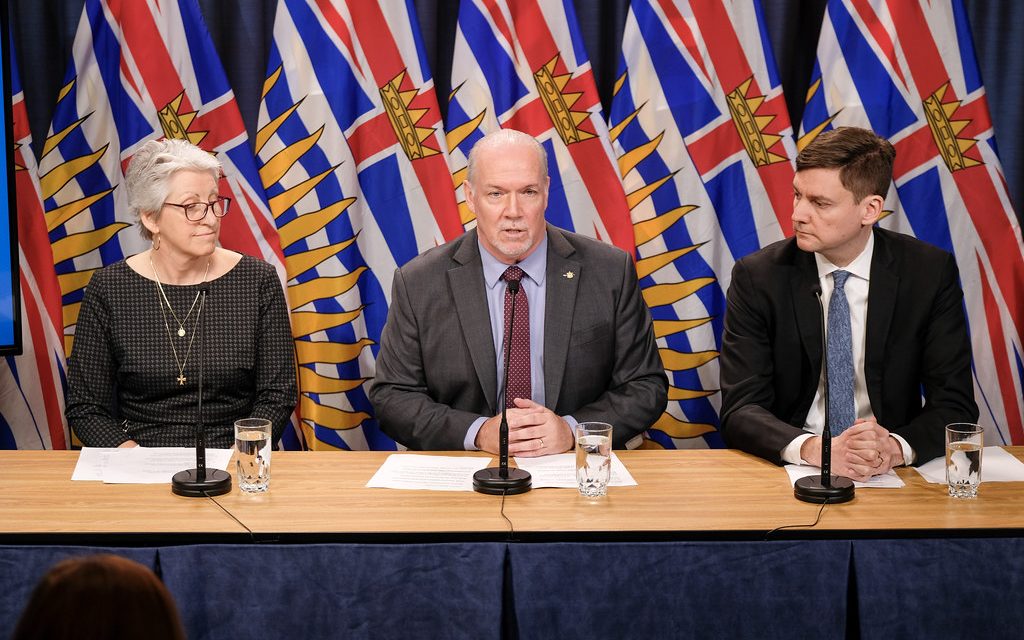
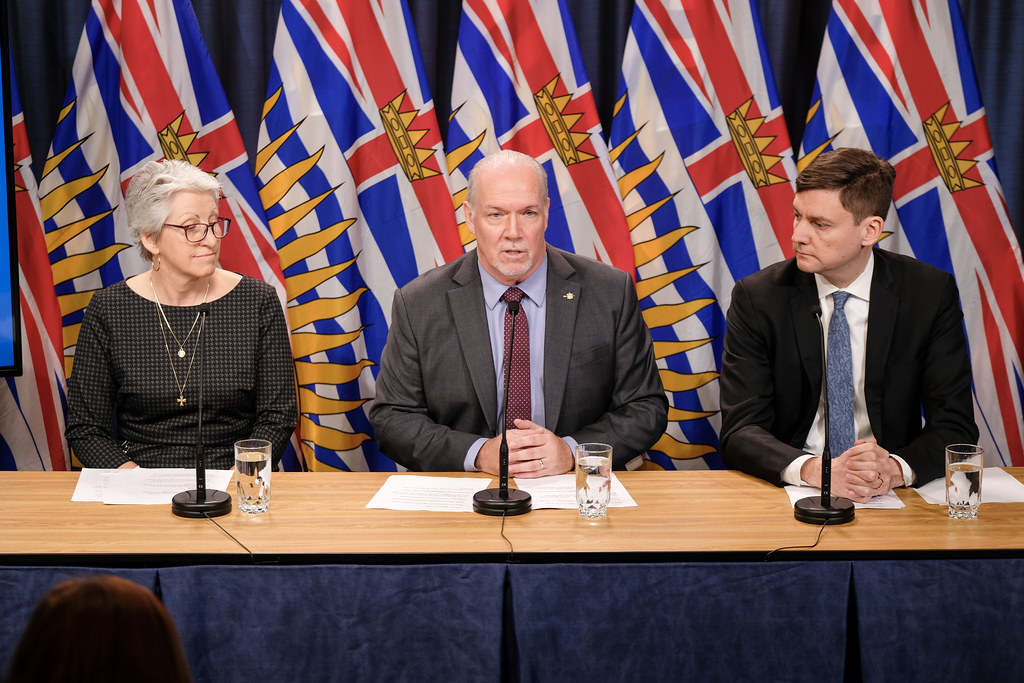
The B.C. government is switching the province’s auto-insurance provider to no-fault insurance, with an estimated 20 per cent drop in ICBC premiums.
The province stated that they are “removing lawyers and legal costs from the system to reduce rates and substantially increase care benefits, making public auto insurance work for British Columbians again,” in a news release.
Legislation will be introduced in the coming weeks that will lower ICBC premiums by an average of $400 in savings per driver, the province stated. At the same time, maximum care and treatment benefits for anyone injured in a crash will increase to at least $7.5 million, and new benefits will provide care for those most seriously injured, for as long as they need it.
These improvements will be achieved by removing the majority of legal fees and other costs associated with the current litigation-based system, according to the province. The new care-based insurance system is forecast to remove more than $1.5 billion in the first full year, savings that will be passed on to ICBC customers through lowered insurance rates.
The planned legislation will require ICBC, by law, to assist every person who makes a claim and endeavour to ensure they receive all of the care and benefits to which they are entitled. Customers who still have complaints or disputes about their claim, benefit payments or fairness issues will not need a lawyer, and will have recourse through: the Civil Resolution Tribunal, which is independent of ICBC; the B.C. ombudsperson and the upcoming ICBC fairness officer, who will be appointed by government to ensure greater independence from ICBC.
“As ICBC transitions to this new care-based model, government’s previous work to improve the finances at ICBC means there will be no basic rate change this year. The 0 per cent basic rate change that takes effect on April 1, 2020, is the lowest any government has delivered in almost a decade. Without significant changes, rates would need to continue to rise by about 35 per cent over the next five years,” a government press release stated.
The NDP government said they will introduce legislation to create the new care-based system, which would take effect on May 1, 2021. The province touted further benefits including wage loss coverage that is 60 per cent higher than today; and new benefits for full-time students, caregivers, those working in the family business or those approaching retirement, who suffer income loss following a crash – replacing lump-sum payments that were previously awarded only through litigation.
“It’s time for change at ICBC. The old government ignored ICBC’s problems, allowing it to become a system that made lawyers rich, while drivers paid too much for insurance. We’re going to transform ICBC to lower rates for B.C. drivers – saving you an average of $400 on your insurance, while also improving care for people who have been injured in a crash,” said Premier John HOrgan
The BC Green Party supports the move to “adopt a care-based model.”
“By adopting a public care-based model, our insurance will be better able to deliver top-quality care for British Columbians who are injured on the road, while also providing affordable rates for all,” said B.C. Green Party interim leader MLA Adam Olsen for Saanich-North and the Islands.
The opposition BC Liberals characterized the reforms as taking the rights away from accident victims.
“With today’s announcement, the NDP just abolished your right to compensation for pain and suffering if you’re injured in a car accident,” said MLA Andrew Wilkinson, BC Liberal Leader. “Under this new scheme, if you’re seriously injured in an accident the NDP will force you to deal with ICBC for the rest of your life, giving you no choice but to deal with the state-run monopoly.”