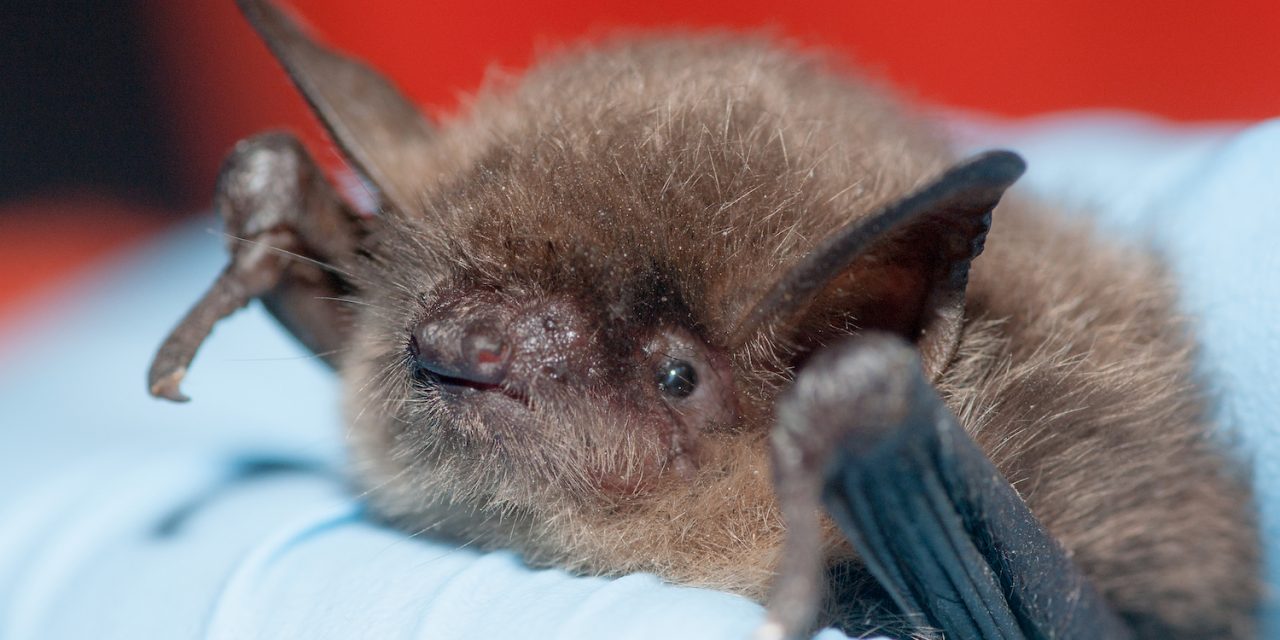
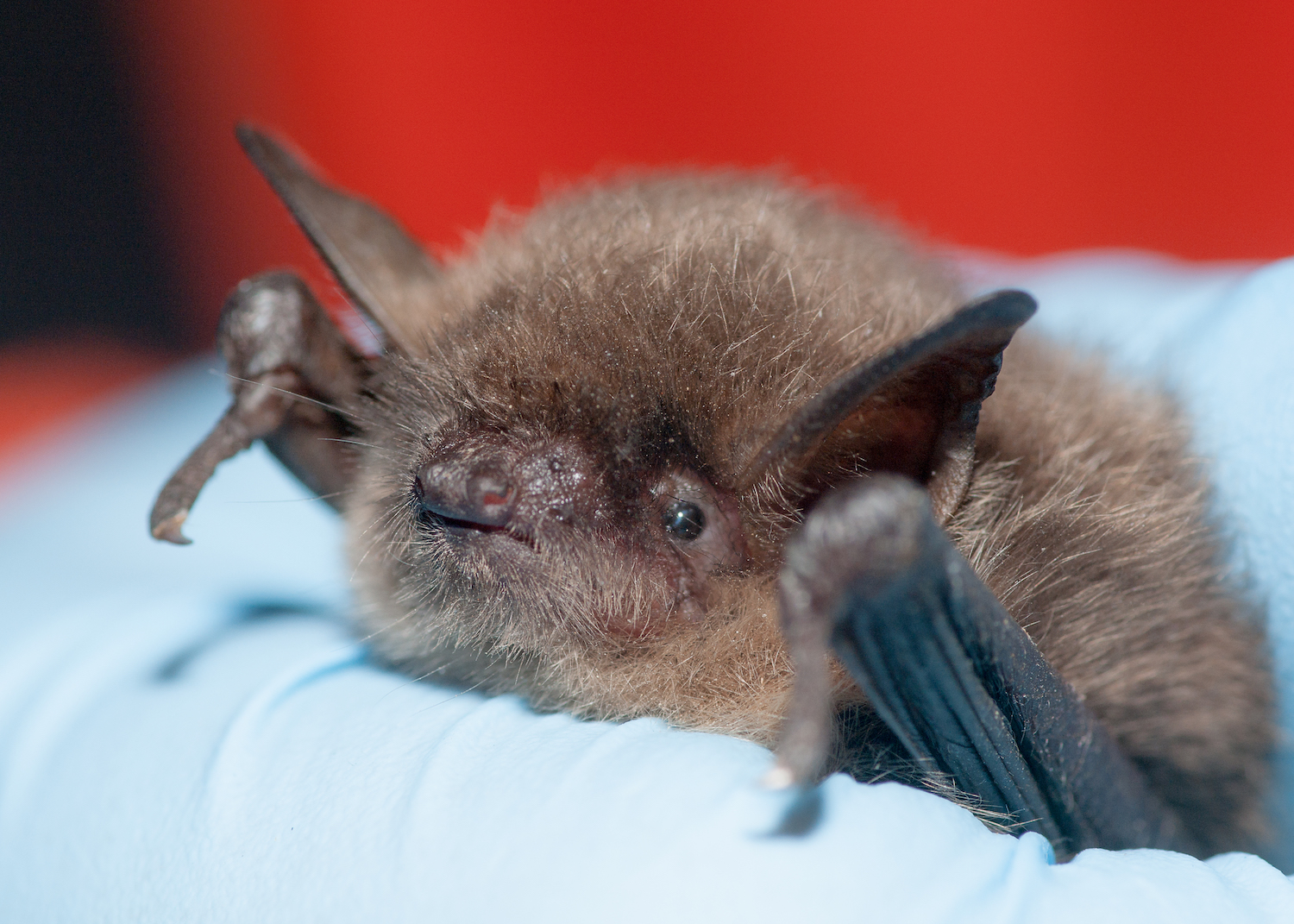
Submitted photo.
BC bats are threatened by disease, and researchers are asking the public for help reporting dead bats and winter bat sightings.
White-nose syndrome (WNS), a fungal disease responsible for the death of millions of bats in eastern North America, is spreading on the west coast and local organization is asking for the assistance of the public to track the spread of the disease.
Confirmed to the west and east of the Cascade Mountains in Washington State, just 150 kilometres south of the B.C.-U.S. border, the presence of “the fungus is very worrisome for the health of our bat populations,” states a press release from The disease has near 100% mortality for some species of bats exposed to the fungus, including the familiar Little Brown Bat. Although devastating for bats, WNS does not affect humans.
“Detection of WNS in B.C. is challenging because our bats hibernate in small groups across the province,” said Paula Rodriguez de la Vega, Okanagan coordinator with the BC Community Bat Program. “To monitor the spread of the disease, we need more eyes on the ground. Outdoor enthusiasts and homeowners with roosts on their property may be the first to find evidence of trouble.”
Signs of the disease include unusual bat activity in winter and the appearance of dead bats outdoors as they succumb to the effects of WNS.
“We are encouraging the public to report dead bats or any sightings of winter bat activity to the BC Community Bat Program toll-free phone number, website or email. Bat carcasses will be submitted for testing for (WNS) and would provide the earliest indication of the presence of the disease in BC,” Rodriguez de la Vega said.
the BC Community Bat Program said reports of winter bat activity will help focus research, monitoring and protection efforts.
While bats are generally hibernating out of sight this time of year, not every winter bat sighting signals disaster. Bats often hibernate by themselves in a woodpile or basement entryway. If possible, these sleeping bats should be left alone – keep your distance, snap a photo, and report to the BC Community Bat Program. If you must move a bat, visit www.bcbats.ca for advice. Remember to never touch a bat with your bare hands.
Bat are also occasionally spotted flying on relatively warm winter days or evenings. Healthy bats may wake up to drink or even eat, if insects are active. Enjoy these sightings, but remember to let the program know when and where winter bat activity was observed.
If you find a dead bat, report it to the BC Community Bat Program (www.bcbats.ca, [email protected] , or 1-855-922-2287 ext 13) as soon as possible for further information. Never touch a dead bat with your bare hands. Please note that if you or your pet has been in direct contact with the bat you will need further information regarding the risk of rabies to you and your pet.
Currently there are no treatments for White Nose Syndrome. However, mitigating other threats to bat populations and preserving and restoring bat habitat may provide bat populations with the resilience to rebound.
Funded by the Habitat Conservation Trust Foundation, the Forest Enhancement Society of BC, the Province of BC, the Habitat Stewardship Program, and the South Okanagan Conservation Fund, the Okanagan BC Community Bat Program works with the government and others on public outreach activities, public reports of roosting bats in buildings, our citizen-science bat monitoring program, and developing bat-friendly communities.
To contact the BC Community Bat Program, see www.bcbats.ca, email [email protected], or call 1-855-922-2287 ext. 13.