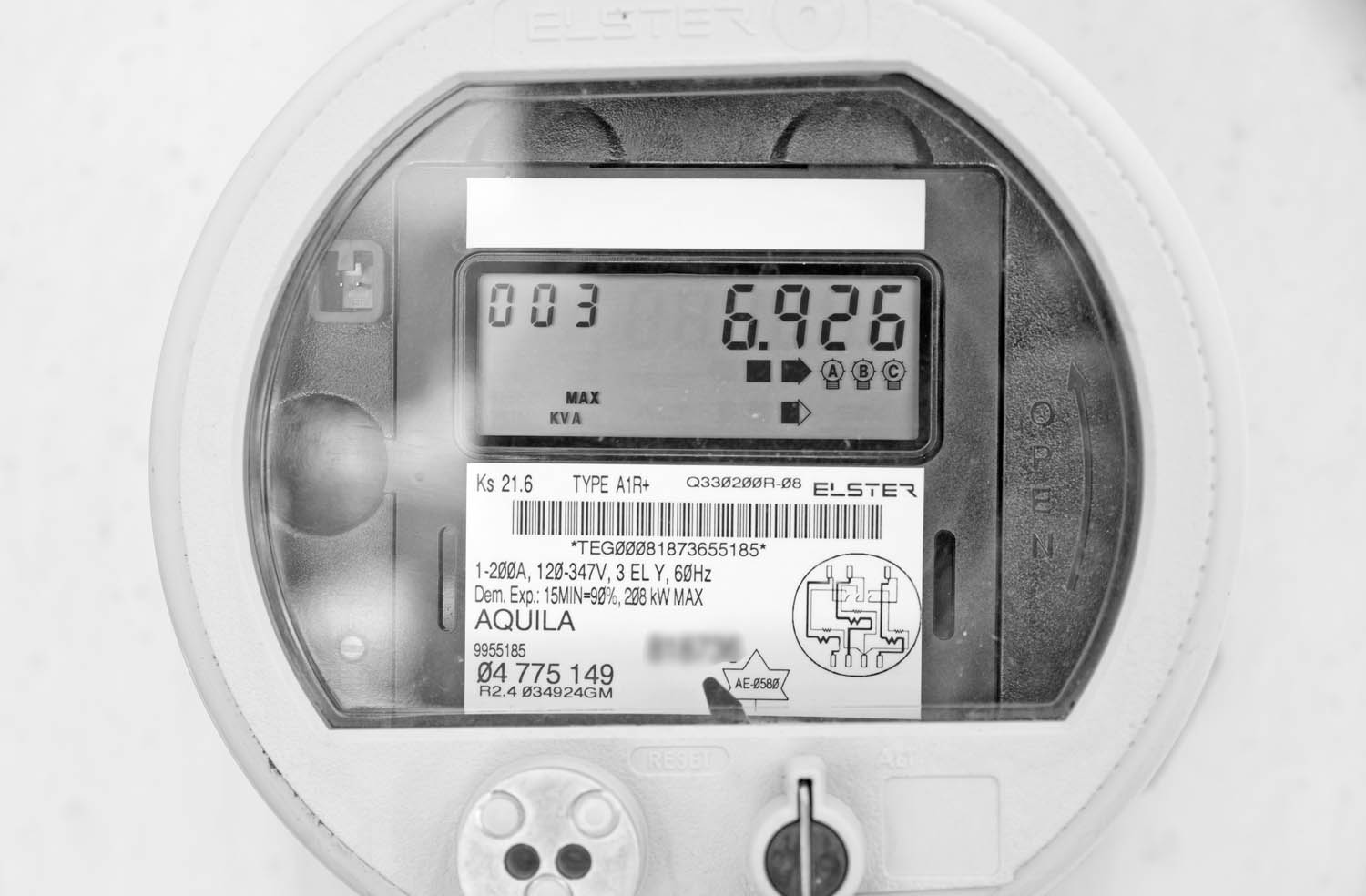
The British Columbia Utilities Commission has once again approved electricity and gas rate hikes for FortisBC. (Photo supplied)
FortisBC customers will be seeing slight increases on their electricity and natural gas bills effective Jan. 1 of 2017.
The utility company defended the upcoming rates hikes by informing customers that natural gas rates remain among the lowest in North America and are still near all-time record lows and the pending electricity rate increase is minimal, said Michael Allison, director of corporate communications for FortisBC.
FortisBC announced recently that its electricity rates customers pay is increasing by 2.76 per cent, which is approximately $3.65 more per month for the average residential electricity customer, said Allison.
The BCUC has approved the rate as interim, and the final rate change is subject to change based on further regulatory review in 2017, he said.
FortisBC announced last week it has received approval from the BC Utilities Commission (BCUC) to change the delivery rate and storage and transport rate that gas customers pay.
“There will once again be no change in the price of natural gas and there will be a slight decrease in storage and transportation costs, but the delivery rate is going up,” said Allison. “The result will be an average increase of two per cent or $15 per year (or $1.10 per month) on average.”
FortisBC bills are “unbundled”, which means that customers can see the costs associated with delivering natural gas, broken down into components, said Allison.
Delivery charges reflect the costs of safely and reliably delivering gas to customers through FortisBC’s distribution system.
They help cover the costs of maintaining our natural gas distribution system, make investments in our business and help us make improvements to meet customers’ needs. Delivery charges are set by the BCUC annually. Two components make up customers’ delivery charges – the basic charge and the delivery rate.
The basic charge is a flat daily fee that partially recovers the fixed costs of FortisBC’s system, whether or not customers are using any gas but are connected to the system. FortisBC customers will see no changes to their basic charge January 1.
The delivery rate is what FortisBC charges to deliver natural gas service to customers. It enables the utility to recover costs and make investments in infrastructure, ensuring ongoing system integrity and reliability.
2017 will mark the final year of a three-year phased-in approach to a common delivery rate across the province.
After that phase-in, customers will pay the same amount for natural gas no matter where they live, with the exception of Fort Nelson.
This means that customers in the Mainland, Interior and Northern parts of our service territory will see a slight increase in the delivery rate on their bill January 1 while customers on Vancouver Island and in Whistler will see a decrease Jan. 1.
FortisBC recognizes the importance of electricity to daily lives and is committed to providing safe and reliable service at the lowest reasonable cost, said Allison.
“We are committed to helping customers understand and manage the energy use in their homes,” he said. “A variety of additional tools, advice and programs to help all of our customers lower their energy costs can be found at fortisbc.com/rebates.
Additional information can be accessed at fortisinc.com or sedar.com.
The cost of gas rate reflects the market price of natural gas itself. Natural gas is currently at some of its lowest commodity rates in the last 10 years at $2.05 per gigajoule, he said.
Back in 2008 when natural gas was at its highest rate in history, customers were paying $10 per gigajoule, he said.
There are complaints every time FortisBC raises natural gas and electricity rates, but the company urges customers to realize the company offers some of the most competitive rates in the industry, said Allison.
FortisBC owns two liquified natural gas operations – one near Fort St. John and the other on Vancouver Island – and production from these plants has helped keep natural gas prices at near record lows over the past several years, said Allison.
FortisBC reviews the cost of natural gas every three months with the BCUC.
Natural gas is the number one heating choice in Canada and more than 50 per cent of the total amount of energy used in a home goes toward space heating, he said. As other energy costs continue to rise, natural gas has remained the affordable option for a decade now, he said.
With natural gas space heating systems up to 98 per cent efficient, natural gas is more affordable for space and water heating than other energy sources such as electricity.
KEITH LACEY
Osoyoos Times