By Times Chronicle Staff
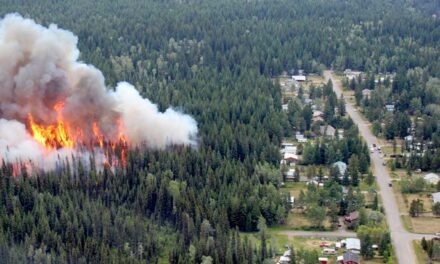
Wildfire season in the Okanagan region may be relatively quiet so far this season, but the Better Business Bureau (BBB) is warning that scams around wildfire donations are heating up fast.
As wildfires continue to challenge communities across the province, the BBB is warning residents to stay safe, not just to fire threats but to financial ones as scammers are exploiting public generosity through fake donations schemes and fraudulent relief services.
The BBB is warning people to be on the look out for the following scams and the red flags to watch for:
Fake Charities Scam
Scammers set up fake donation websites or social media campaigns, pocketing funds meant for wildfire relief.
Red flags to watch for:
- High-pressure donation requests;
- Missing charity registration details;
- Untraceable payment platforms;
- No verifiable contact information.
Fraudulent Contractor Scam
After natural disasters, scammers may pose as repair contractors, and offer services to fix fire damaged properties, demanding upfront payments and then disappearing.
Red flags to watch for:
- Request to do cash only deals;
- Lack of a written contract;
- No online reviews or history; Refusal to provide references;
- No licensing or insurance.
Evacuation and Relief Scams
Phony aid organizations offering evacuation help or supplies for a fee, sometimes using official-sounding names to gain trust then vanish.
Red flags to watch for:
- Requests for wire transfers or gift cards, or other untraceable payment methods;
- Services not listed on official government websites;
- No charity or not for profit number/association.
Fake Crowdfunding Scams
Fraudulent crowdfunding pages with emotional but unverifiable stories claim to support wildfire victims but funnel money to scammers.
Red flags to watch for:
- Vague stories, no personal information or backstory;
- Unverified organizers;
- Irregular updates;
- Links to suspicious payment platforms.
Crisis Misinformation and AI Fakes
During emergencies misinformation can spread quickly. For example, an outdated evacuation notice or fake postings, this can cause fear and could even lead people to donate based on misleading information. In some cases, scammers use AI to create fake images or videos of wildfire scenes, victims or destroyed homes to support fraudulent donation campaigns.
Red flags to watch for:
- Claims not confirmed by official agencies;
- Only source sharing this information/visual;
- Overly dramatic visuals without credible sources;
- Inconsistent lighting;
- Unrealistic scenes.
Top tips to avoid charity scams
1. Verify Before Donating
Before you give, research the organization. Reputable charities will have transparent financial information, clear contact information, and a history of providing services. Visit their website directly, do not trust links from social media or email unless received from a confirmed source. The Canada Revenue Agency has a searchable online database of all registered charities operating in Canada.
2. Research Contractors Before Your Hire
For property repairs, work only with licensed, insured contractors. Look up their business profile on BBB.org to read reviews and verify credentials. Get multiple quotes, ask for references, and never agree to cash only deals. Legitimate businesses will be transparent about permits, timelines, and payment policies, and will always clarify terms upfront in a contract.
3. Avoid High-Pressure Appeals
Don’t rush to donate. Scammers often use urgency to push people donating on the spot. Take your time, ask questions, and don’t be afraid to say no. If you do decide to donate, avoid sending cash. Write a cheque or use a credit card or trusted donation platform so you have a record of the transaction. Always ask for a charitable donation tax receipt that includes the charity’s name and contact details.
4. Spot Misinformation, Including AI-Generated Fakes
Scammers are using AI to create fake wildfire images and videos to add emotional impact to fraudulent donation requests. These images can look convincing but often contain unnatural lighting, distorted details, or locations that do not match actual fire zones. Always rely on official sources like the BC Wildfire Service App, government alerts, and trusted local newspapers and broadcasters for updates. And be mindful that well intentioned shares of fake content can unintentionally amplify misinformation, pause before reposting.
Visit BBB.org/ScamTracker to check for active scams and report suspicious activity.