Desert Sun Counselling Centre has recently partnered with a Kelowna-based company, Happipad, that is supporting communities with an alternative housing model called “companion housing.”
Companion housing is a shared housing situation that prioritizes affordability while factoring in the advantage of companionship. The idea looks at providing benefits for both the renter as well as the host. Commonly, a homeowner chooses to rent out their spare bedroom to a renter.
Though this seems very similar to having a roommate, Happipad (think dating website for hosts and renters) gives a greater importance to compatibility, as well as helps out with third party mediation.
Currently, Desert Sun is an educational partner for the company, helping out people in the South Okanagan area learn more about this resource when they need help finding affordable housing.
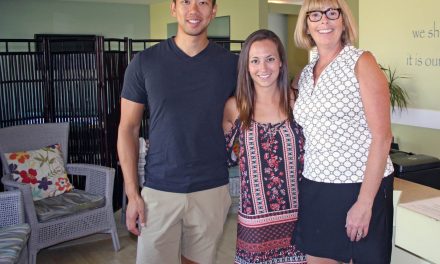
Michelle Bell-Scanlon at Desert Sun explains that because of the housing crisis in this region, their centre can get up to five calls a day with people asking for help in finding places to live.
“We are a resource center, so although we offer counselling and different programs, people will call here looking for other services,” she said.
The recent partnership was the result of a grant which allowed Happipad to partner with 18 different community organizations, helping the company through educational support or by actually running a home sharing program.
The website itself was launched in 2019. Since then the company has expanded across B.C. and Alberta, and soon to other provinces as well. They opened up the project to not just students and homeowners, but also to the young workforce. They also run some seniors programs as well, matching seniors with other seniors in the community.
Bell-Scanlon said that this kind of resource is particularly important for many seniors who have been isolated throughout the pandemic. Having a shared housing situation gives them a connection to someone in the home who is also looking out for them at the same time.
Though the company was picking up last year, when COVID hit, Happipad’s increasing popularity within communities came to a halt.
“It was a hard time for Happipad because our entire motive is to convince people to share space and have people build community, and COVID obviously brought the opposite into our communities. So it was a difficult time,” said Amanda Aubé, director of operations at Happipad.
Many students who were living with people also had to move back home immediately, and many hosts became inactive as they didn’t feel comfortable opening up their homes to strangers during the pandemic.
Aubé said that they are still seeing that hesitation with people to open up their homes.
“A lot of our older hosts are immunocompromised, and they’re in the highest risk category. So this whole time they’ve not been willing to introduce new people into their lives, which of course, we totally understand.”
On the other hand, in the current housing market, alternative housing models like Happipad can be a huge help.
The service caters towards a range of demographics from students to young adults, seniors, and really anyone looking for an affordable place to stay. Their services also look to help homeowners as they act like a third party mitigator in a rental situation.
“It’s a two-sided marketplace; we get to turn around and also help seniors stay in their places for longer, stay in their communities for longer, and not have to transition into supportive housing as quickly. So there’s a lot of benefits on both sides,” said Aubé.
Aside from their main housing service, Happipad is also an educational resource for people. They have workshops to teach anyone interested more about companion housing and it’s benefits, as well as general information on sharing a space.
“There’s no information out there, no education on how to share space, how to make contracts, work between shared accommodations, how to do it fairly, how to assess it on your tax return. It’s really hard to find that information so part of our mission is to provide some of that information to the general public,” said Aubé.
Although it can be intimidating to open your home up, or even entertain the idea, Aubé encourages people to consider the mutually beneficial situation.
“If you have somebody in your home that you can not just get along with, but also kind of jive in the space with, it increases your sense of purpose, and it increases your sense of community. So we have found, especially with older adults, even older seniors who decide to become hosts, we have definitely found and improved mental health.”
With many of their matches being intergeneration, Aubé explained that many seniors mentioned that having someone young in their house brought on a young energy in their life, increasing their energy and sense of well-being.