-Committee looks to wood chipping program to help clear the air-
OSOYOOS TIMES-November 28, 2007-
By Chad IngramrnOsoyoos Times
The Regional District Okanagan-Similkameen (RDOS) Air Quality Committee is clear about its objective “ to improve air quality in the southern region of the Okanagan Valley.
And the committee chair says the organization's efforts are paying off.
A Nov. 15 meeting in Penticton provided members with a progress report on some of the district's air quality programs.
(RDOS Public Works employee) Janice Johnson gave a presentation of all the stuff that's been going on in the last year, said committee chair Bill Schwartz.
Among the many initiatives the Air Quality Committee has instituted is a wood-chipping program for the district's orchardists.
What a lot of people don't realize, is that it's much faster to chip than to burn, Schwartz said.
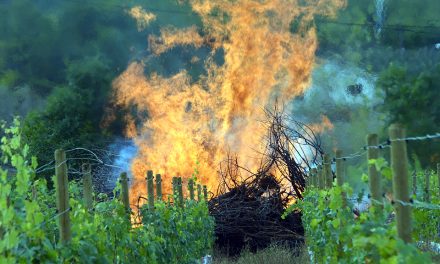
Each autumn, clouds of smoke rise from the region's orchards as orchardists burn pruned material including excess branches, removed trees and other unwanted organic materials.
While the practice is as old as the orchards themselves and agriculturists are within their rights to conduct burnings, the smoke they produce tends to evoke a number of complaints from rural residents.
By making chippers available to orchardists, the Air Quality Committee is hoping to decrease the amount of smoke being emitted into the skies of the region.
Schwartz said the machines are being supplied through a partnership with the provincial government, and while he wasn't sure exactly how many orchardists are taking advantage of the chippers, he said the number is significant.
We can't force orchardists not to burn, but we can offer them alternatives, Schwartz said. And we can control when they burn.
Orders not to burn are generally issued when inversions “ wind patterns that trap smoke close to the ground “ occur.
Another of the committee's programs involves the recycling of plastic materials used in agriculture. These include irrigation piping, baler twine, greenhouse plastics, tarps and other products.
Farmers can take these materials to landfills, from which they are transported to a processing plant in the Fraser Valley. There, the plastics can be recycled into various products, including flowerpots and picnic tables.
Conducted in conjunction with the Agricultural Environment Partnership Recycling Program and the Ministries of Environment, Agriculture and Lands, the program is still in its trial stage. While Schwartz wasn't sure how many tonnes of agricultural plastic have been picked up in the RDOS, he said it was substantial.
Schwartz said it remains to be seen just what products can and might be created from the RDOS's agricultural plastic. A report detailing the progress of the program is to be released later this year.
The Air Quality Committee also has an anti-idling program which prohibits RDOS vehicles from idling and encourages other motorists to practise the same habit.
A wood stove exchange program instituted last year saw financial incentives given to those who chose to switch from wood-burning to other forms of heating. Forty-six wood stoves in the RDOS were removed.
The committee also takes its purifying message into the district's schools with seminars and presentations, and has awareness posters on walls throughout the RDOS.
The Air Quality Committee is composed of 14 members, five of whom are advisors from the Ministry of Environment and other environmental groups. The other nine are regional and municipal politicians.
Osoyoos Mayor John Slater is among them. However, Slater had other commitments and was absent from last week's meeting. Councillor Ted Cronmiller attended as Osoyoos' representative.
Cronmiller said he was impressed by Johnson's report and has suggested she be invited to give a presentation to Council. He said it's important that the public be educated on what they can do to help improve air quality.
Cronmiller, who has voiced concern over the issue of orchard burnings in Area A of the RDOS, says he plans to write a letter to Minister of Agriculture and Lands Pat Bell, to see what else can be done to improve air quality in the area.
Schwartz said his next order of business will be to draw up the committee's work plan for 2008.