A rural Osoyoos vacation rental property which caused an outcry from neighbours is not getting a second chance to apply for a vacation rental permit from the regional district until next year.
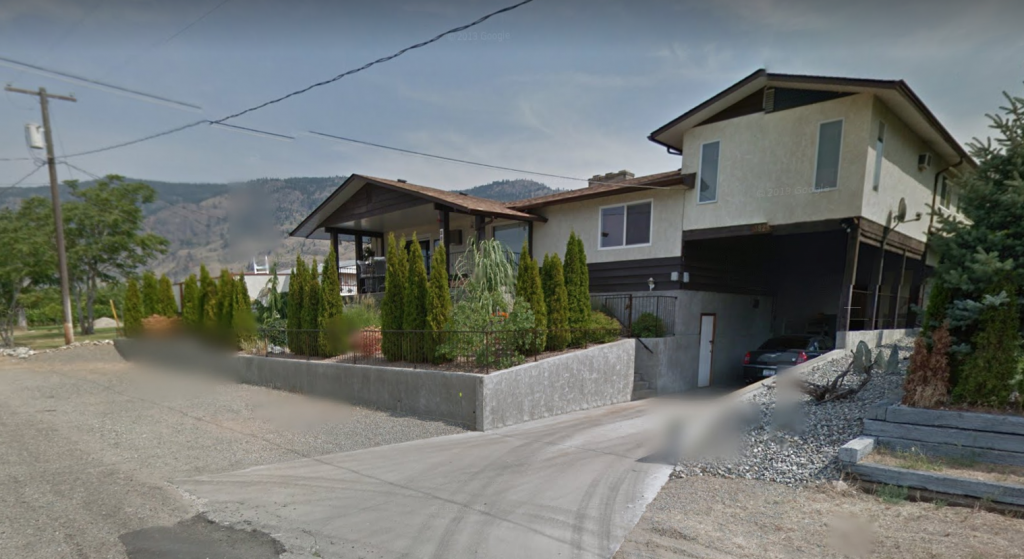
The application for the 37th Street home in rural Osoyoos to operate as a vacation rental was denied by the RDOS at their July 2 meeting — making it the first vacation rental to be denied by the board.
Property owner Richard Law pleaded his case before the Regional District of Okanagan-Similkameen (RDOS) board at the Sept. 3 regular meeting, asking for a variance to the rule which requires a 12-month period before re-submitting an application.
“I do understand that there was a problem, but that was taken care of. That was last year, there are no problems this year — or there were no problems this year until we were shut down,” Law said.
The house which had been operating as an Airbnb-style rental last summer prior to getting a temporary use permit from the RDOS drew over 10 letters from neighbours earlier this year complaining about excessive noise and other issues. At the July 2 RDOS meeting. John Redenbach, who manages the 3829 37th St. property for the owners, called the complaints of neighbours “outlandish.”
“That kind of sets up a precedent for all the other (vacation rentals) in town. So if there is anybody who has a complaint, next thing you know we don’t have any (vacation rentals),” Law said.
There were only two votes in favour of allowing the property owner to reapply for the permit: Area C (rural Oliver) Director Rick Knodel and Area B (Cawston) Director George Bush
“Stopping this right away, he must have people booked up probably a year in advance. I just think it’s quite a hardship on the owner,” Bush said.
However, Area A (rural Osoyoos) Director Mark Pendergraft pointed out the property had been operating as a vacation rental last year without the proper permit, leading to complaints from neighbours.
“Generally when you are going to start a business you get a permit before you are going to start with the business, not after the fact. That’s kind of the crux of the issue here right from the very get-go,” Pendergraft said. “It started on the wrong foot creating issues in the community. If the permit would have been in place, yes, I think it would have been hard to cancel it and leave the person hanging there, but he didn’t have the permit to start with.”