By Sebastian Kanally, Times Chronicle
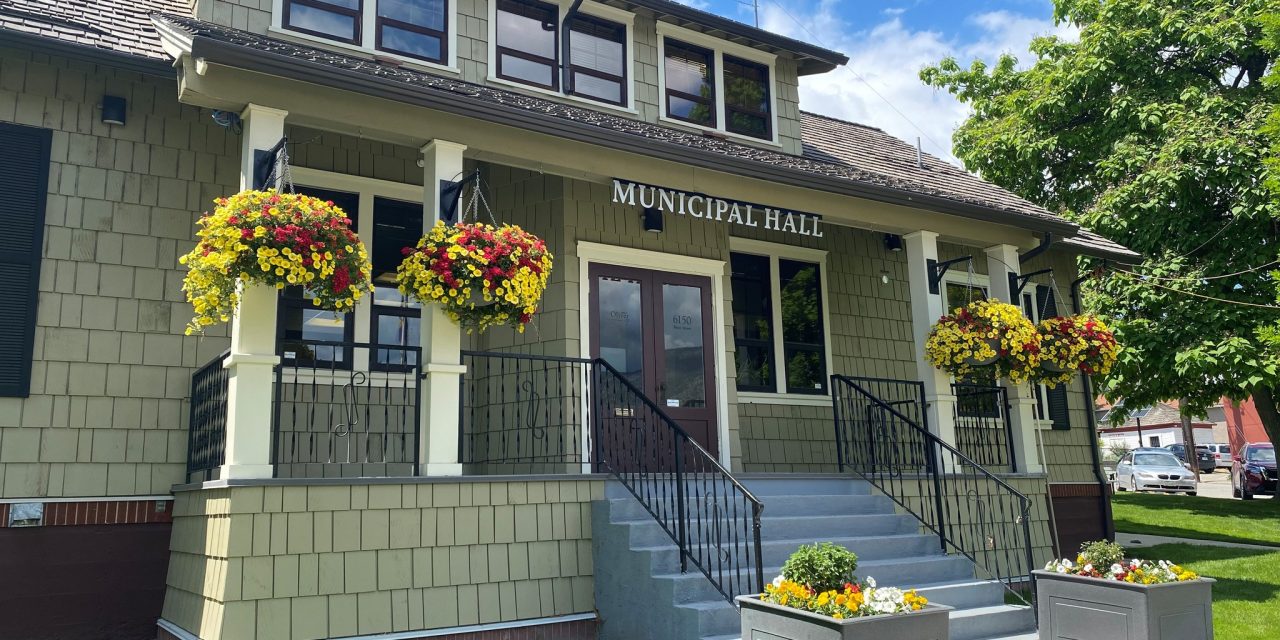
Oliver has made two changes to what the public is allowed to speak on at town council meetings.
The first change limits questions that community members can ask council during the public question period to items on the current meeting’s agenda.
Mayor Martin Johansen noted that he likes how the bylaw is now worded. “I really think the questions should be limited to what’s on the agenda. It means we are able to answer that question because we have discussed it and we have that information.”
Johansen noted there are various other forms that a question on a different topic could come in, such as emails, getting in touch with the town, or getting ahold of him directly, “there are ways for that question to be answered, this is a formal meeting”.
Councillor Aimee Grice also added that the question period is right before adjournment of the meeting, “they could still come and talk to us, it’s not like we are inaccessible in person”.
The second change does not allow a delegation to speak at a meeting on zoning amendments that are consistent with the Official Community Plan (OCP).
This change is in response to provincial changes to the Local Government Act. As of November 30, 2023 public hearings are no longer permitted for zoning amendments on residential developments that are consistent with the OCP.
The town had to ensure that a member of the public cannot address council, to lay out their grievances as a delegation, because this would turn into a de facto public hearing.
Councillor Petra Veintimilla expressed that while she understands this kind of legislation is being shuttled down from the province, this change is “in certain situations stripping away an avenue for people.”
She continued, “at what point, if we are shutting down all these opportunities, can an applicant address council, if they feel like they haven’t been heard, or feel like they have been misunderstood . . . or want to make their case?”
Randy Houle, director of development services responded that written feedback will be the main avenue for community members to mention their concerns.
Houle further noted that this change is being made from a “best practices standpoint on the legal side”.
“We can’t create a platform for a de facto public hearing, where someone asks to appear as a delegate at a meeting where a public hearing is not permitted, you are basically allowing one member of the public to speak about it, which is essentially a public hearing . . . Are you going to hear from the developer as well then?” Houle explained.