By Times Chronicle Staff
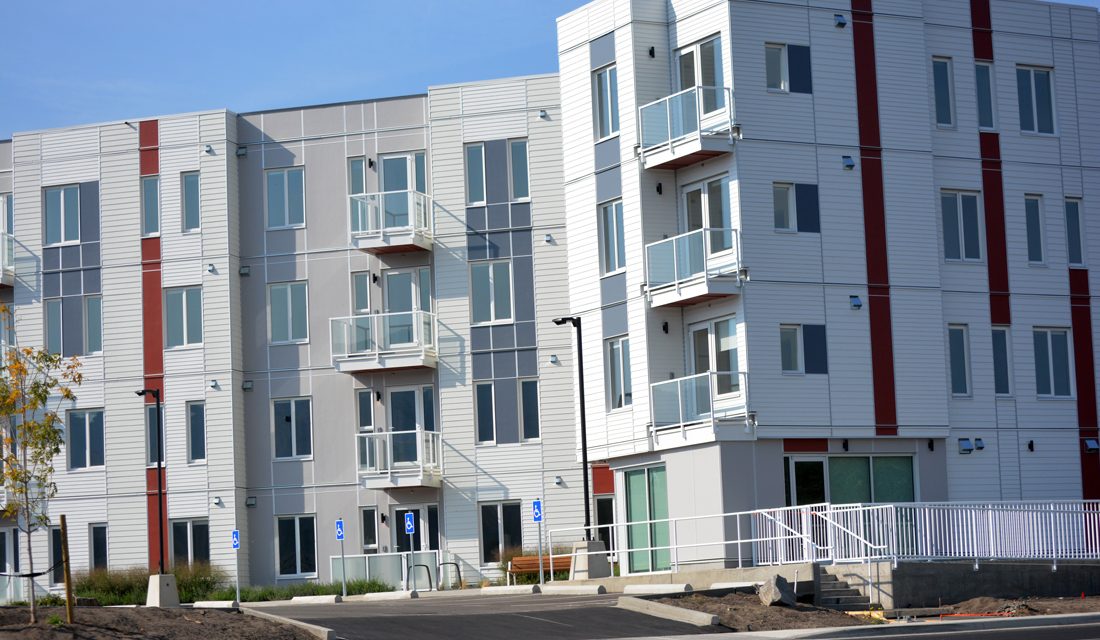
A new affordable housing complex has opened its doors to seniors, Indigenous people and the disabled in Oliver.
The four-storey apartment building at 5931 Station Street has 46 units, including 27 one-bedroom, 15 two-bedroom and four three-bedroom units. Monthly rents range from $420 to $990, depending on unit size and tenant income.
“With the opening of this building, more people in Oliver will have the security and peace of mind that comes with an affordable place to live,” said Roly Russell, MLA for Boundary-Similkameen.
Russell said more housing in the community has a cascading effect for locals who need an appropriate place to live, and it helps provide stability for people to engage and be active in the local economy.
“It helps alleviate the uncertainty and stress for 46 more people and their families looking for a place to live without having to leave Oliver and our beautiful area,” Russell said.
The province, through BC Housing, invested approximately $4.9 million for this project and will provide approximately $437,000 in annual operating funding.
M’akola Housing Society provided the land for the project and will own and operate the building.
“Housing can be challenging to find in the Town of Oliver, especially for the people this 46-unit development aims to serve,” said Mayor Martin Johansen.
He noted that diverse communities are shown to be the healthiest.
Kevin Albers, CEO of M’akola Housing Society, said this development is their first interior project. He added that affordable housing builds strong and sustainable communities, and he thanked the Osoyoos Indian Band and the Aboriginal Housing Management Association for being partners.
Margaret Pfho, CEO of the association, said affordable, safe, culturally supportive housing is not an option but a necessity.
“We know that Indigenous peoples continue to experience colonial oppression and marginalization in housing, and we have all been affected by the growing need in each of our own communities.”
Pfho said these new homes in Oliver will provide a place of belonging, healing and security for Indigenous families. “And we need to see more of this across B.C.”