By Tracy Sim, Times-Chronicle
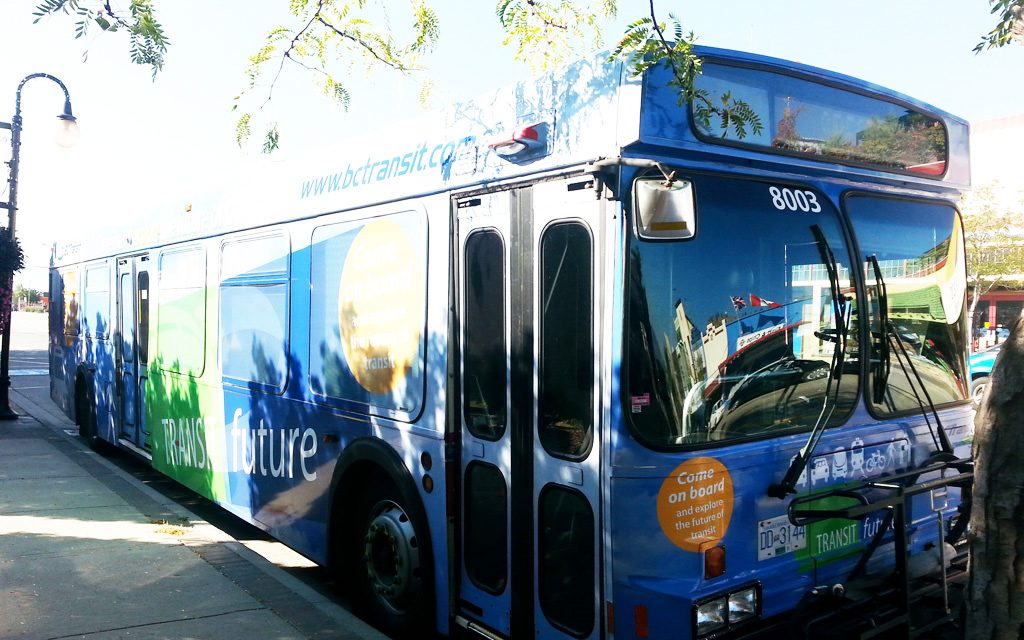
BC Transit, the province, and Cubic Transportation Systems aim to reduce access barriers to public transportation with new cashless options, starting in the fall of 2022.
Do you avoid public transit because it’s a hassle to find the right change or deal with third-party vendors to purchase bus passes? The answer is often yes, so to encourage more people to use public transit, the partnership has implemented Umo.
Pronounced ‘you-mo’, this multi-faceted payment system is designed to replace the transit system’s equipment used for fare collection on its buses and other modes of transit. Umo is a contactless payment system developed for transit systems that includes several current options for fare payment. Those options include mobile app, debit card, credit card, mobile wallet, and reloadable smart cards.
The Victoria Regional Transit System is the selected city for the pilot project, set to begin this fall. Expect rollout in the South Okanagan sometime after the pilot launch. An exact date is unknown.
The new system will increase riders’ access to transit by allowing them to use items they already carry and remove barriers like having to carry cash and pre-purchase tickets. Umo will also work the same way on all transit systems in the province, allowing riders to access transit the same way, no matter where they are.
“Modernization initiatives like this are important as we look to rebuild ridership to pre-pandemic levels and grow our public transportation system in the years to come. With the use of cash in sharp decline everywhere, efficient and convenient electronic fare payment options are the way of the future”, said Rob Fleming, Minister for Transportation and Infrastructure.
Umo is being funded through the Investing in Canada Infrastructure Program, and the project is being cost-shared with the government of Canada, which is contributing 50 per cent of its eligible costs. The province of British Columbia is contributing another 40 per cent and the project’s local government partners are contributing the remaining 10 per cent. The total cost for this project is $23.2 million.