By Roy Wood, Special to the Times Chronicle
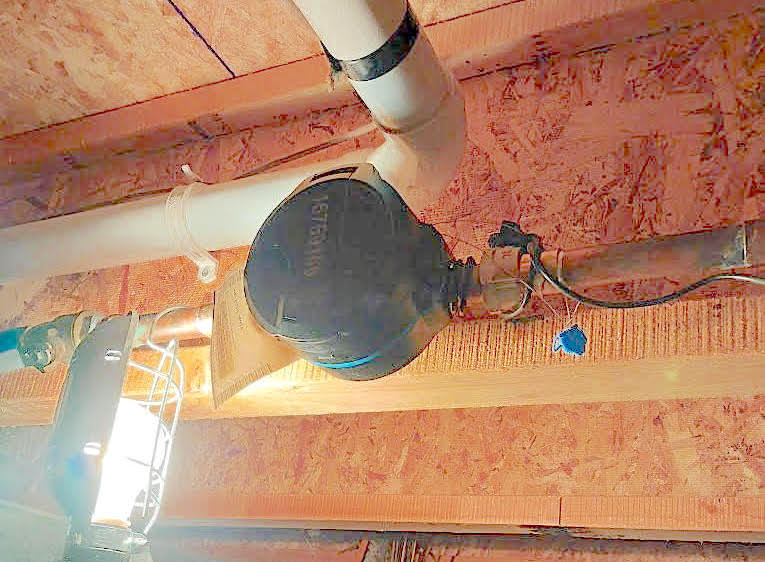
With the compulsory installation of water meters underway in Osoyoos, the town has approved a $500-per-day fine against anyone refusing to comply with the program.
At a recent meeting of town council, several water bylaws were amended to bring them in line with the notion that “water meters are mandatory for all properties receiving Town of Osoyoos water service.”
As well, according to a report from chief administrative officer Rod Risling, “To support compliance, the Municipal Ticketing Information rate for violations of the mandatory metering are set at $500. Each day that the offence continues amounts to a separate offence.”
In an interview this week, Risling told the Times Chronicle that the installation process has begun, with appointments to put the meters in being set up across the municipality.
The work is being done by Neptune Canada, who was the successful bidder for the contract and Risling described it as “huge.”
It is the Canadian branch of the Neptune Technologies Group, a multinational with corporate headquarters in Tallassee, Alabama and branch offices in Toronto and Mexico City.
On its website, the company says of itself: “In Canada, Neptune has extended its reach by investing in the creation of end-to-end smart water metering and utility services.
“With over 30 years of water utility service experience and project offices from coast to coast, Neptune is recognized as the country’s leading field services provider.”
Risling said the installation part of the metering project should be completed by April next year.
Once that is accomplished, the town will take about a year to accumulate data about water consumption.
Only after that, Risling hopes sometime in 2026, water rates will be calculated and the current fixed-rate system of charging for water usage will be replaced by a system based on individual consumption.
How exactly individual water bills are calculated is also a detail that will be determined after the town has collected and analyzed usage data.
It will likely be some combination of “fixed” and “variable” rates.
Typically, Risling explained, each user is charged a basic fixed for every billing cycle. It is the same “whether you use one litre or 1,000.”
Then, on top of that, there is the variable fee, which is based on how much water each customer goes through.
The eventual billing system will also affect sewer rates as well as water
The meters measure only the volume of water flowing into a home or business. But the same data is used to calculate sewer charges.
Risling explained in an earlier interview: “It’s based on a formula. So much goes in, so much has to come out. … There is irrigation and that type of thing, but that’s all worked into it.”