By Lyonel Doherty, Times Chronicle
Some influential thumbs up were given to key resolutions last week to battle the health care crisis in B.C.
Delegates at the Union of BC Municipalities convention voted on a number of resolutions.
Osoyoos Mayor Sue McKortoff attended with councillors Jim King, Myers Bennett and CAO Rod Risling. The mayor met with Health Minister Adrian Dix to discuss the health care crisis, and she also met with Water/Land Minister Josie Osborne regarding invasive species and mussels.
“It was good to share ideas and concerns with our colleagues in B.C.,” McKortoff said.
Oliver Mayor Martin Johansen also had a 30-minute meeting with Dix to address the doctor shortage and emergency room coverage at South Okanagan General Hospital.
One UBCM resolution related to the opioid and overdose crisis: It was resolved that the UBCM ask the provincial government and health authorities to include funding and staff for security, clean-up, and social services at harm-reduction locations and surrounding neighbourhoods, including businesses.
It was also resolved that the provincial government share the $150 million settlement from Purdue Pharma Canada with local governments in recognition that there are financial consequences due to the opioid and overdose crisis that are currently being covered by local budgets.
Toxic drugs claimed the lives of 192 people in B.C. in July, according to the Ministry of Public Safety and Solicitor General. That represents a 31 per cent increase over the number of deaths recorded in June (147) and equates to about 6.2 deaths per day. Nearly 1,300 toxic drug deaths have been reported to the BC Coroners Service between January and July.
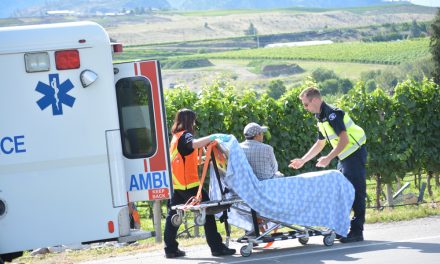
Communities are experiencing unprecedented challenges with the health care system. This includes the closure of emergency rooms, long wait times for surgery, difficulties in finding a family physician, problems retaining health care professionals, and inconsistent access to ambulance service.
Delegates also discussed mental health and its impact on communities in an article provided by the UBCM.
Coquitlam Mayor Richard Stewart said there is a lack of treatment options in the early stages of mental illness, and most people are not able to get treatment until their illness worsens.
He stated that mental health seems to be treated as a “second class illness, with local governments being the first responder through police services.
Stewart explained that when his daughter became ill with a panic attack, they called the ambulance and two armed police officers showed up. He noted that police are not the best equipped to handle mental health challenges.
Kim Mackenzie from the Canadian Mental Health Association, shared some statistics. She noted that mental health will affect one in five people (nearly 900,000 in B.C.) in any given year. She also said that 41 per cent of people in Canada reported a decline in their mental health since the onset of the pandemic.
Mackenzie said that stigma is one of the biggest barriers for people reaching out for help.
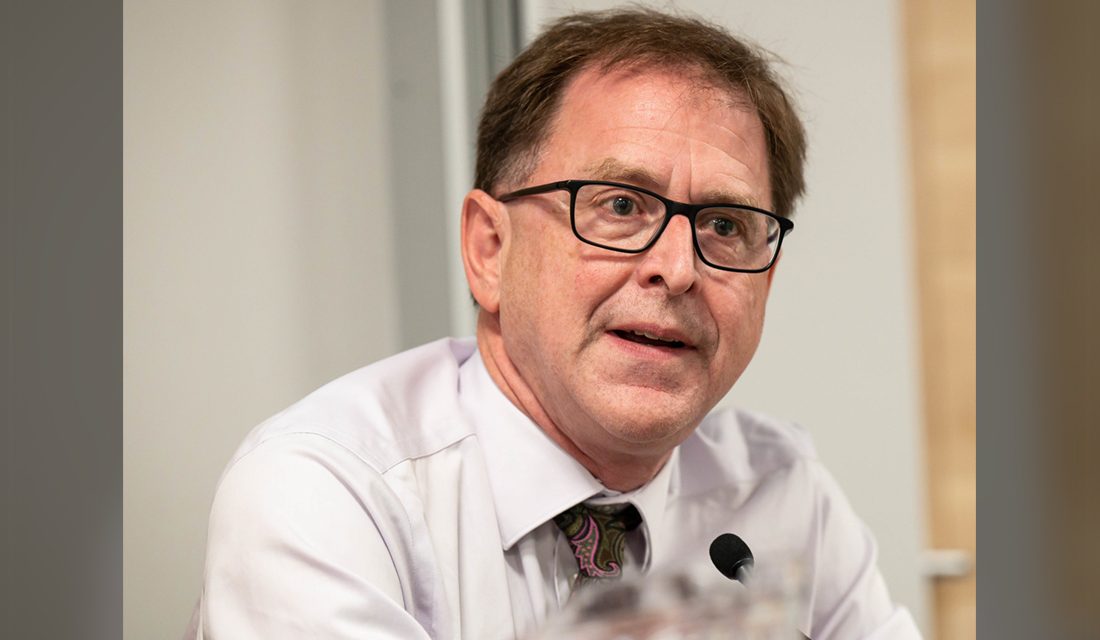
In a keynote address, Health Minister Adrian Dix said the pandemic has had a profound effect on the province’s health care system. He noted that within two weeks in March 2020, the government deferred 30,000 non-essential surgeries.
Prior to the pandemic, 98 per cent of primary care visits in B.C. were in person, but a year after COVID hit, that number dropped to 30 per cent, which was the “most radical change” the province had ever seen, Dix said.
The minister stated they have never asked so much from the health care system than in the past 2.5 years.
“We delivered the best response to COVID-19 in the world, not because of me or the government, but because of us.”
But Dix reminded the delegates that the pandemic is still plodding along, adding the last reported record showed 15,700 health care workers had fallen ill during the pandemic compared to the typical 8,000 in pre-pandemic times.
A study, co-authored by provincial health officer Dr. Bonny Henry, reports that 70 to 80 per cent of children have been infected by COVID-19 in the Greater Vancouver and Fraser Valley areas.
Dix encouraged everyone to get up to date with their vaccinations, noting that health officials expect more cases of flu this fall than last year.
The minister said the province has added 38,000 people to the health care system, enough to fill BC Place Stadium. But that is still not enough, he admitted.
Dix addressed the current challenges, saying there are too many people in B.C. without primary care providers. He noted there were 340,000 people unattached to providers in 2003. Now there are more than 908,000, he pointed out.
Dix said the province’s population is growing and aging, creating a higher demand for health care. This is why a transformation is needed, he pointed out.
“That means moving our system toward team-based care and allowing all (health care) professionals to work to the fullest extent of their skills.”
Dix said the government is doing just that by creating primary care networks. He referred to the 2,000 clinics in B.C., the 27 primary care centres, and the 1,200 people who have been hired for these networks.
Dix told delegates there must be fewer barriers for foreign health care professionals who want to work in B.C.
He said if they were to recruit a top doctor from Ireland, he or she would have to undergo supervised work for two years.
“We’ve got to break down the barriers for people with international credentials.”
Dix said the province did this with nurses.
He also said the government must change the way that health care providers are paid, noting the fee for service model is “broken” because it doesn’t work for young doctors anymore.
“We have to provide more and better options.”
Dix said the other issue is the under-utilization of many other professionals in B.C., such as pharmacists.