By Times-Chronicle Staff
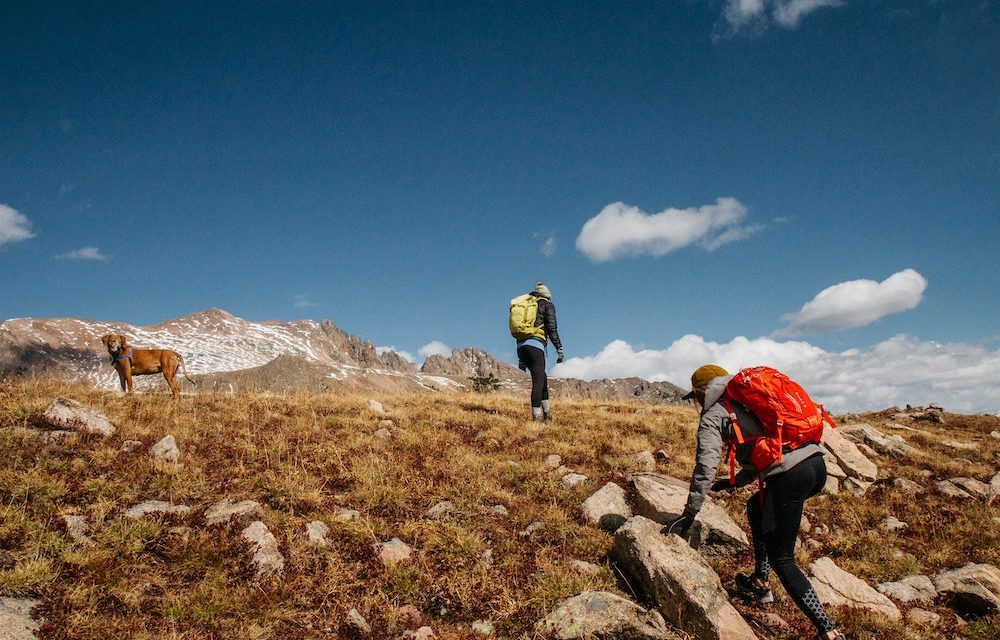
Spring has sprung and so have the ticks. With warmer weather, more people will be out hiking in tall grass or wooded areas which can also mean an increased chance of getting tick bites.
These small arachnids (a class of arthropods that also includes mites, spiders and scorpions) are the bane of hikers as they bite and feed on the blood of humans and animals and can sometimes transmit disease. But a few simple precautions can help prevent getting bitten.
“There are easy things you can do to protect yourself from ticks such as covering up before you head outdoors and checking for ticks when returning from a walk, hike or bike ride,” said Dr. Fatemeh Sabet, Interior Health medical health officer.
“Most tick bites do not result in illness; however, any bite from a tick should be cleaned because infection can occur whenever there is a break in the skin.”
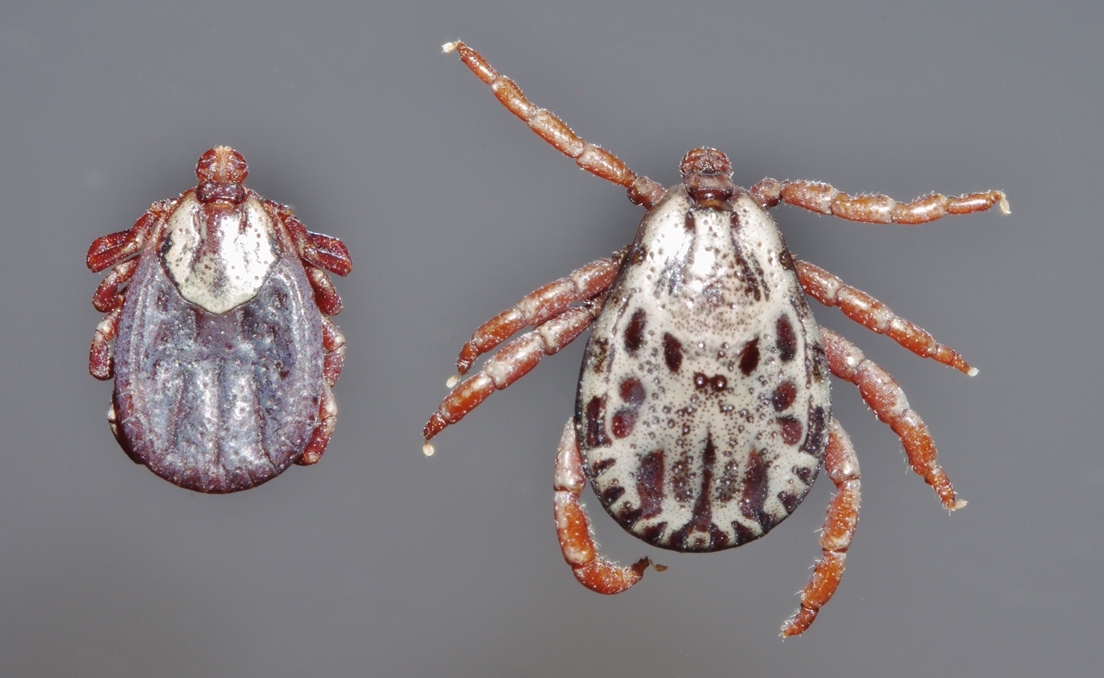
The wood tick (Dermacentor-andersonican) common in the interior region can carry diseases such as Rocky Mountain spotted fever, although it’s rare. Pictured above (left) a female and (right) a male wood tick.
While ticks are common in the interior most are the wood tick (Dermacentor andersoni) which do not carry the Lyme disease bacteria. The wood tick can carry other diseases such as Rocky Mountain spotted fever, although it’s rare according to Sabet.
Lyme disease-carrying ticks (I. pacificus) are more common in the coastal areas of B.C. Anyone who has the typical bull’s-eye target skin rash of Lyme disease, or other symptoms compatible with Lyme disease, should see their doctor.
Typical symptoms of Lyme disease include fever, headache, fatigue, and the characteristic skin rash called erythema migrans. If left untreated, infection can spread to joints, the heart, and the nervous system. Most individuals with acute Lyme disease don’t notice the biting tick that precedes the illness.
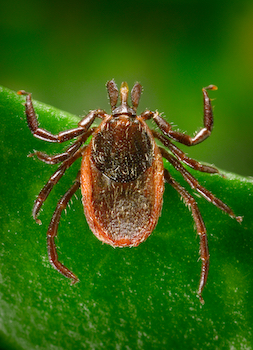
The western black-legged tick (I.pacificus) is a vector for Lyme disease but is found in the western region of the United States and in southern coastal areas of western Canada.
Ticks also have toxins that can cause temporary muscle weakness and paralysis if they are attached for several days – especially in children or seniors – but the symptoms fade once the tick is removed from the skin. The signs of many tick-borne infections can be quite similar and include fever, headache, muscle pain and rash.
One of the most important ways to reduce the risk of tick illnesses is to do a skin check on yourself and your children after being outdoors. As well, follow these additional precautions:
- Walk on cleared trails when in tall grass or wooded area
- Wear a hat, long sleeves, pants and light-coloured clothing
- Tuck pant legs into socks or boots
- Apply insect repellent containing DEET on uncovered skin
- Carefully check clothing and scalp (covered or not) when leaving an area where ticks may live
- Regularly check household pets for ticks, focusing on your pet’s neck (particularly under the collar), head, ears, feet and between the toes
- Use flea and tick treatments for your pets recommended by your veterinarian
If you find a tick on yourself, a family member or pet, wear gloves when removing it and be careful not to crush the tick as this could cause it to inject its stomach contents into your skin. Other tips to remove ticks safely include:
- Use needle-nose tweezers or other tick-removal tools to gently grasp the tick close to the skin
- Without squeezing, pull the tick straight out
- After removal, clean the area with soap and water
- If you find a tick, check very carefully for others
You can report a tick and submit a photo to eTick.ca to have it identified.