
Jim Iker
Teachers have begun the first stage of their province-wide job action in hopes of a better deal at the bargaining table.
Jim Iker, president of the BC Teachers’ Federation, said the job action is in response to the government not backing off from “unfair and unreasonable” demands.
“Despite our patience and our measured approach in bargaining, Christy Clark and her government are once again trying to provoke BC teachers and shut down BC schools,” said Iker.
Educators are asking for smaller classes, more one-on-one time for students, extra help for pupils who need it, and more specialist teachers.
Stage one of job action only targets administrative duties. There will be no immediate school closures or disruptions to students, said Iker.
Iker said teachers will continue to teach, write report cards, communicate with parents, and participate in their volunteer extra-curricular activities.
However, teachers will not undertake any mandated supervision of students outside of regularly scheduled classes. They will not attend any meetings with management other than meetings of the worksite Joint Health and Safety Committee.
In stage one, teachers will not provide principals or administrators with any printed, written, or electronic communication. And they will not be at the worksite prior to one hour before commencement of instructional time and one hour after the end of instructional time.
On March 6, after over a year of negotiations, 89 per cent of BC teachers voted in favour of potential job action to help secure a fair settlement.
“Unfortunately, more than six weeks since that vote, the government and employers’ unfair positions have barely moved,” Iker said.
He noted the government continues to demand concessions while ignoring the BC Supreme Court ruling on class size, composition, and staffing levels.
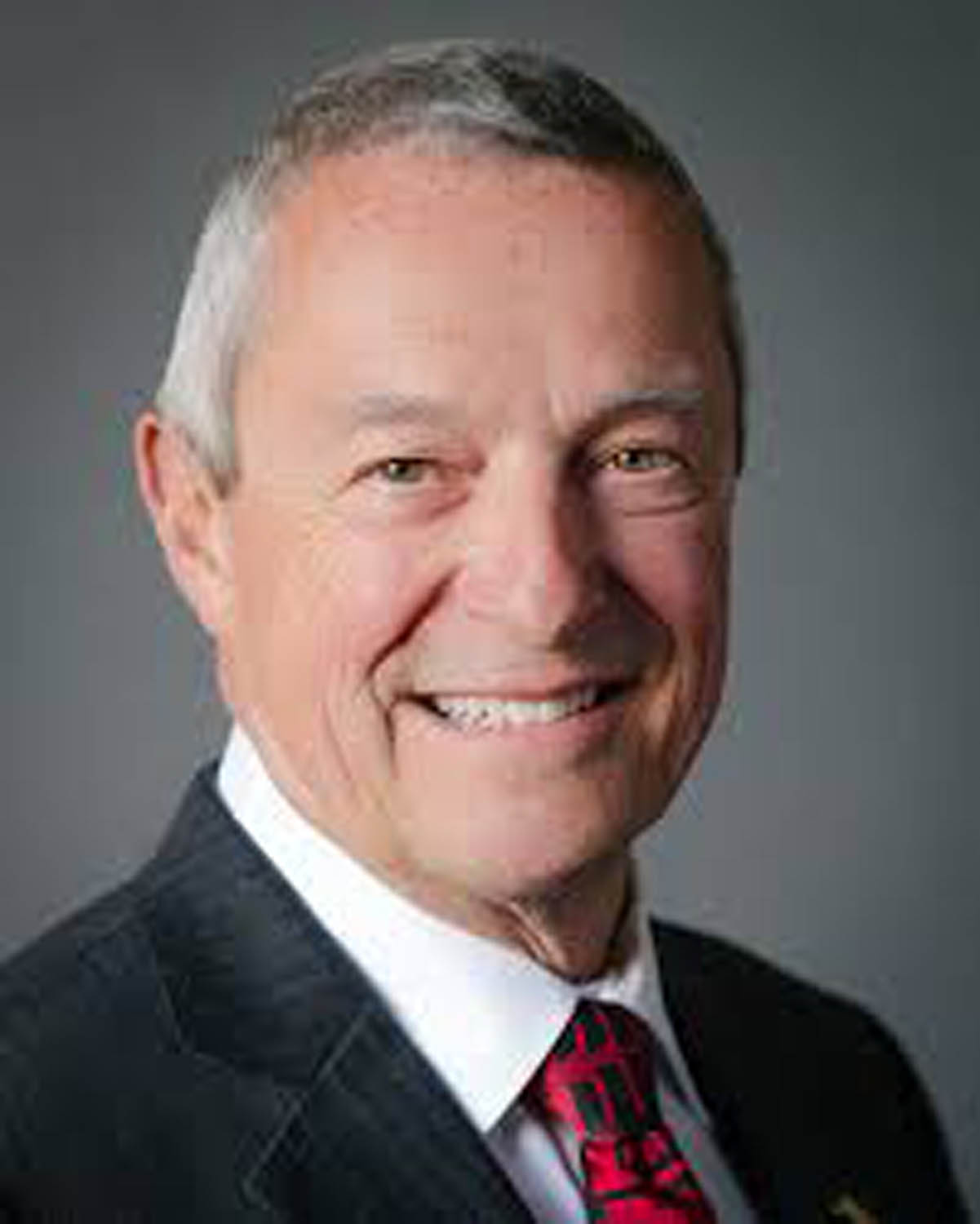
Education Minister Peter Fassbender said there has been virtually no movement from the teachers’ federation on its wage and contract positions.
The minister said the union hasn’t moved from its opening position of approximately 13.5 per cent increase over three years and it hasn’t withdrawn any of its other monetary proposals.
“Nobody wants to see a repeat of the six-and-a-half month strike a few years ago where teachers faced no consequences, financial or otherwise, for withdrawing a wide range of services,” Fassbender said. “That situation only served to prolong the dispute to the detriment of students, parents and all public school employees.”
Local school board chair Marieze Tarr said it is unfortunate that the district finds itself in this position again.
“Hopefully negotiations will now move forward and a phase two strike will be avoided.”
Sylvia Slater, president of the South Okanagan Similkameen Teachers’ Union, said the purpose of stage one job action is to increase pressure at the bargaining table in hopes that the government will move away from their current positions, including a 10-year contract.
“That is a non-starter for us,” she said. “Funding in public education is not keeping up with its needs. Districts around the province are facing significant deficits and will have to make difficult decisions that will impact programs, students and communities.”
She mirrored Iker’s comments that teachers will continue to teach and report to parents during stage one.
“We remain hopeful that the government will come to the table with the necessary resources to negotiate a deal that provides better support for our students and is fair to teachers.”
According to the federation, BC has the worst student-educator ratio in the country, and it would take 5,800 new teachers for BC to meet the national average.
LYONEL DOHERTY
Special to the Times
Peter Fassbender