Don Urquhart, Times-Chronicle
Confronted by obscenities, racist slurs and anti-mask rhetoric, the three Oliver students who became the voice for their victimised friend share their views on the anti-mandate protests, the concept of freedom and what they see for the future.
The four students at South Okanagan Secondary School (SSOS) are now well known for the stand they took against the perpetrator of this abuse who was part of an anti-mandate protest at the school and has subsequently been fined for violating the Access to Services (COVID-19) Act.
“I’ve never supported the convoy just because I do not have a problem with the restrictions and the mandates because I want to keep my family and friends, our community safe so I’ve never supported it and after experiencing that incident my respect for it just went down so far,” says Tennessee.
When asked about her view of the future, about her generation inheriting not just a world damaged by environmental degradation, but one with rising social tensions even prior to COVID, she replies: “what I always try to remember is just to not stay complacent because when this was happening my vice principal told us you’re not gonna change their minds and yeah we may not change their minds but if we just walked away and let this woman say that stuff to my friend we would be part of the problem.”
She says it’s important moving forward “to stay together and continue to educate ourselves and stand up when we see acts of injustice. We always have to just stay true to our values,” Tennessee adds.
Tennessee is also emboldened by the fact she and her friends “stood up to racism and this white supremacist woman.” Reflecting on the viral video that went global and widespread media coverage that included a segment on national television, she added: “if students from Oliver can do that, I do have hope for our generation.”
When asked if there is a message she would like to relay to people she highlights the fact that both local communities have an ageing population, and “we need to protect them.”
“I would rather not hang out with my friends than have someone’s grandparents die. There needs to be less individualism and we need to focus on the groups that are the most susceptible to dying from COVID.”
“There are people to protect and masks are a minor inconvenience. There is no oppression, it is such a minor thing in comparison to the other stuff that’s going on in Canada and I don’t understand how people can protest the mask and make a whole movement on that.”
Especially, she says, when so many First Nations communities don’t have clean drinking water. “I think people are just protesting the wrong things. There’s so much white privilege here,” she adds.
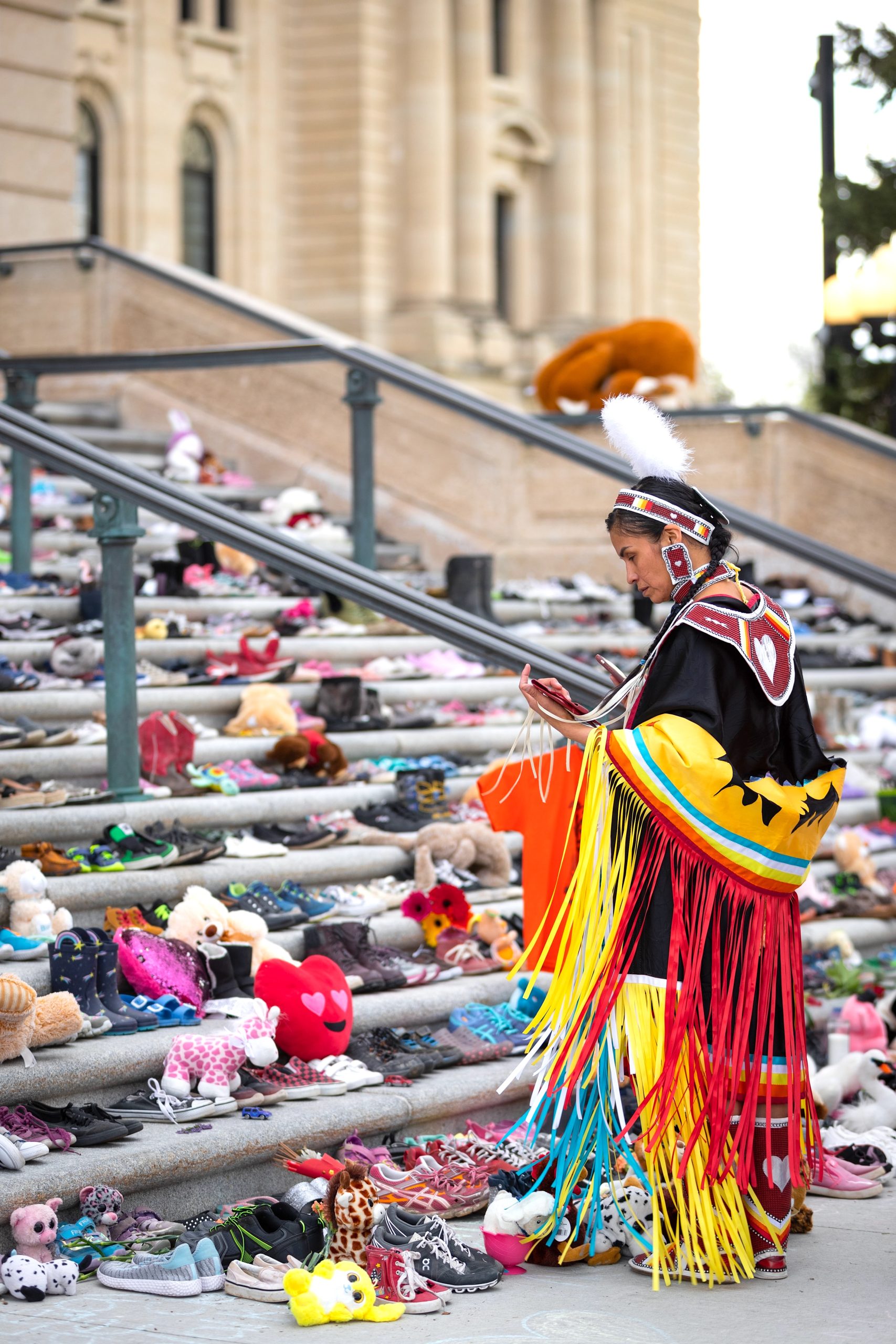
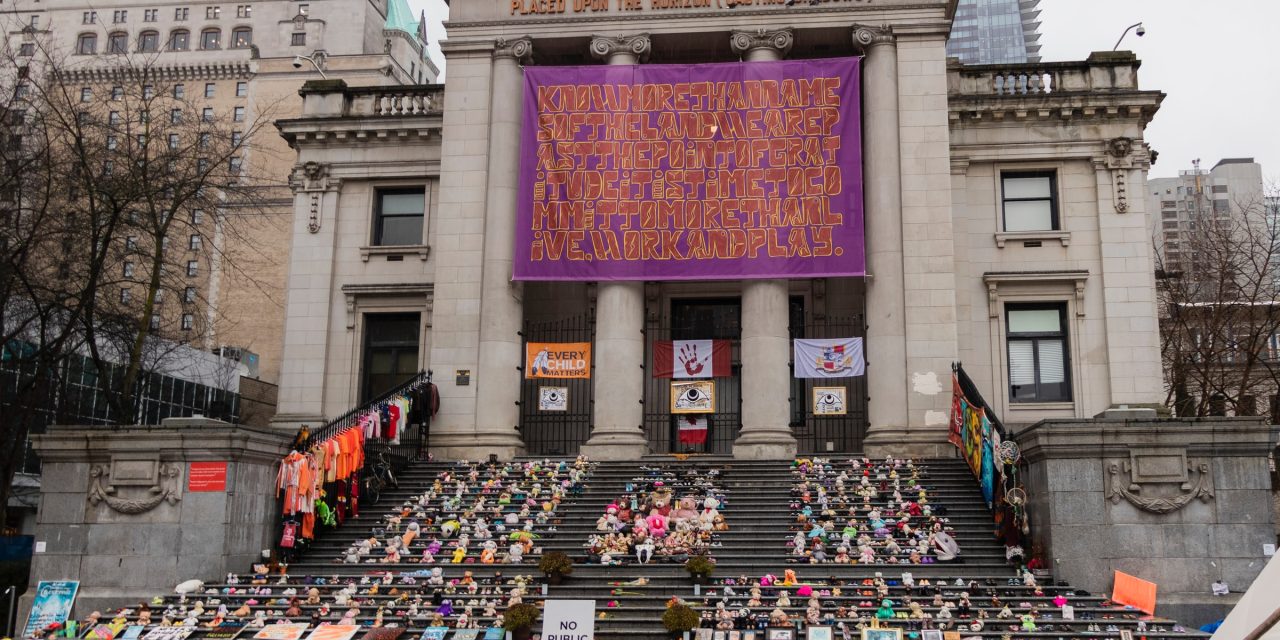
Tennessee highlights that putting Indigenous children in residential schools is a true demonstration of taking someone’s freedom from them. Tandem-x-visuals photo on Unsplash.
Describing herself as Palestinian-Métis, but ‘white passing’ she says its important to look back at the residential schools for an example of how freedom was taken away.
“All of us have freedom. Canada took away the freedom of indigenous people with residential schools and that’s what freedom looks like when it’s taken away. The conflict in Palestine, that’s what it looks like to have your freedom taken away.”
For her friend Kai, the school incident didn’t come as a complete shock. For them it was clear from the Ottawa protests in which people were flying Confederate and Nazi flags, that “there was a lot of racism tied into the protests already”. But knowing that didn’t blunt the harsh reality of experiencing such a situation up close and personal.
Kai may well look back on this incident as a pivotal point in their life, expressing as they do, a certain resolve around their future. “I want to keep doing this, I want to keep fighting for people who don’t have as much of a voice, or people who need help in getting their voice out there,” Kai says.
It was “truly inspiring,” to see the impact of the video which in just one night racked up a million global views. “It’s definitely something I want to keep putting out there and letting people know and if more stuff like this happens I want to keep getting it out there because I think it is completely important and necessary for everyone to know about, no matter your stance on it – it’s never, never okay.”
Kai’s message: “I would really like to tell people to just think about what they truly believe in and think about who it affects.” Referencing the truckers – which at the time the three spoke to the Times-Chronicle the Ottawa protest was still on, she asks “do they really know what they’re fighting for because it’s not about the vaccine or masking anymore. I think people out there fighting don’t even know what they’re fighting for anymore.”
“No matter what side you’re on I think you need to think about what you’re fighting for and who it affects and if it’s truly truly important to you. If it is, I say keep going but make sure it doesn’t hurt anyone along the way.”
“Once your idea of freedom starts to get in the way of other peoples rights it’s not necessarily your right anymore. As a Canadian I think it’s a responsibility to just be kind to people,” they add.
For Kamryn, seeing something like this it’s tempting to lose faith in humanity, she says. But then on the other hand, “this new generation, the way we are able to shine light to change and we’re able to put our foot down, that gives me some hope.”