The Situation Table initiative that was started a few years ago is working well by lowering risk and with it the need for interventions, says Rob Zandee, Head Chair, South Okanagan Situation Table.
Zandee, who is the chair of the local Situation Table that covers Oliver and Osoyoos also sits on the provincial body and was presenting an update before Oliver Town council on August 5.
He explained that the Situation Table is an evidence-based model for improving community safety by facilitating the opportunity for the frontline services to collaborate.
“We have a lot of services in town and in the South Okanagan but for the most part, a lot of them in the past have worked in silos, and that’s not really an efficient piece. So the government, a number of years ago, brought this model out.” It’s now expanding throughout the province, and Zandee says it’s “extremely effective.”
A key part is the Risk Tracking Database (RTD), which tracks data from 34 active Situation Tables across BC and includes tracking of 105 risk factors.
Across the province there are five common risk factors: Lack of appropriate housing (65.1 per cent), drug abuse/misuse (46.8 per cent), inability to meet basic needs (44.4 per cent), financial hardship (42 per cent) and suspected mental health concerns (32.4 per cent).
“We hit all five of those when we talk at our table,” he said in reference to the South Okanagan communities of Oliver and Osoyoos.
We have anywhere between six and 15 different groups show up and talk about things that are happening in their sphere of influence. This is anything from health authorities, police, school districts, counselling services, immigrant services organizations, and so on.
Zandee highlighted that the lead intervention agency for the last two years has been public works. “Specifically, the biggest thing we see is housing and economic issues here,” he said, adding that 50 per cent of the risk factors last year in this area were a lack of appropriate housing.
He said that while this is a provincial issue, in each particular case, there’s an average of five agencies that are working on an issue.
One aspect that is different for Oliver and Osoyoos from other municipalities is the higher elderly population. “What we have found is there’s a lot of issues regarding elderly people. They are the same issues as the others, but it’s more pronounced because we have seniors who have severe economic issues.”
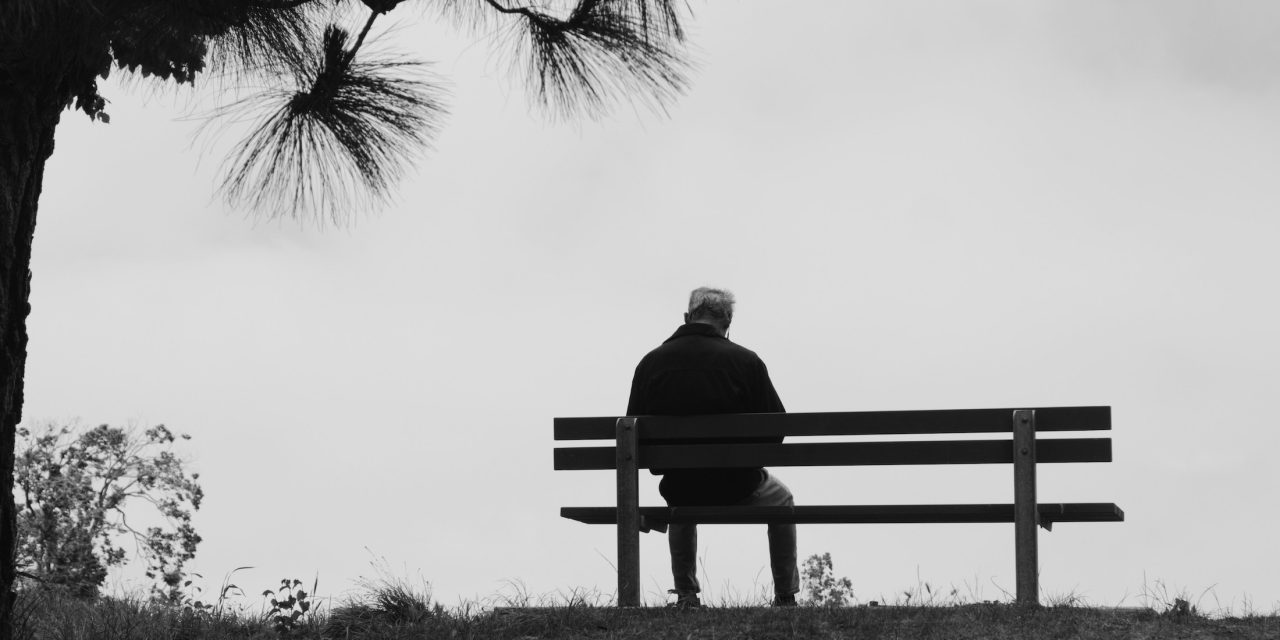
Another major issue here is loneliness. “Loneliness is a massive issue . . . in this community. There’s a lot of people who are very isolated, especially after the pandemic. They never came out after the pandemic.”
It’s a “huge issue,” he emphasized, adding that Desert Sun Counselling and Resource Centre does “an amazing job being the forefront agency in all of these cases.”
Zandee says there have been no interventions last year or this year so far because “we’ve been able to use the table to its full advantage, as a clearing house of having all our groups talk to each other. The fact that they’re all sitting in the same place, they can actually get a feel of what’s happening.”
He’s also had the benefit of sitting on the provincial table, which has given him insight to what is happening in other community’s tables. “Some of them are really relatable and some aren’t obviously, but I think on the whole, it’s been very effective for our community.”
He added that the fact that the local Situation Table was not highly visible was a good sign that things were working well.
The local Oliver and Osoyoos table meets twice a week, and in answer to a question from council, Zandee noted there is a formal process. This typically kicks off by the chair asking if anyone has a situation for the table.
Cases, referred to as discussions, are brought forward by a community agency. If the discussion meets the threshold of Acutely Elevated Risk (AER), a collaborative intervention is then planned by multiple agencies. Interventions occur within 24 – 48 hours of the Situation Table meeting.
In some cases, it may just be the situation where an individual has slipped through the net of a particular community agency, and it can be dealt with differently without the same urgency.
Zandee noted that the Minister of Public Safety and the Solicitor General have already committed to expanding the project.