By Madeline Baker, Times Chronicle
October 24 – 31 is Bat Week in BC, but it’s not for the spooky, atmospheric reasons people may think. In fact, the issues surrounding local species of bats are less spooky and more downright scary, which is why the BC Community Bat Project has set out to change the public’s impression of bats and hopefully save them in the process.
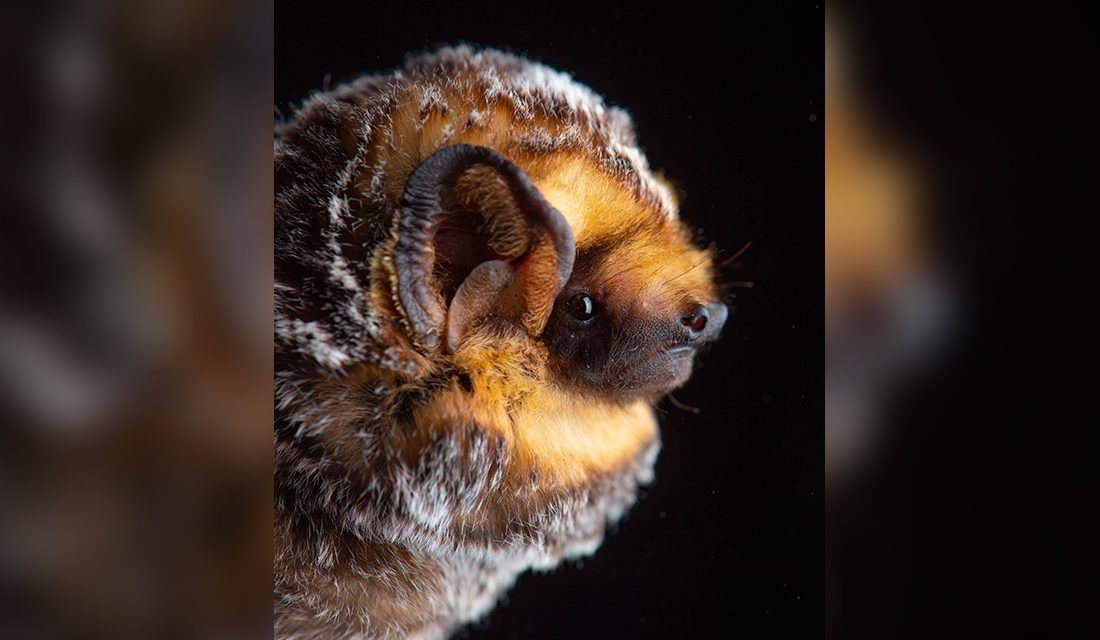
Fifteen different species of bat call the Okanagan their home, giving it the highest diversity of bat species in Canada. In addition, these bats are known as “keystone” species because they play key roles in shaping the unique local ecosystems of which they play a part.
What’s more, there’s no reason for residents of the Okanagan to fear for their fruit trees if the bat population rises, as local species eat nothing but insects. As for blood-drinking “vampire” bats, the three species that inspired that name stick close to the equator and only take small amounts of blood from livestock animals like cattle and goats or, in a pinch, chickens.
“Bats in BC help control agricultural and forest pests, as well as mosquitoes in our yards,” said Paula Rodriguez de la Vega, the Okanagan’s regional coordinator for the BC Community Bat Project. Beetles, moths, and leafhoppers, all of which can require pest control services, all number among the favourite meals of local bat species.
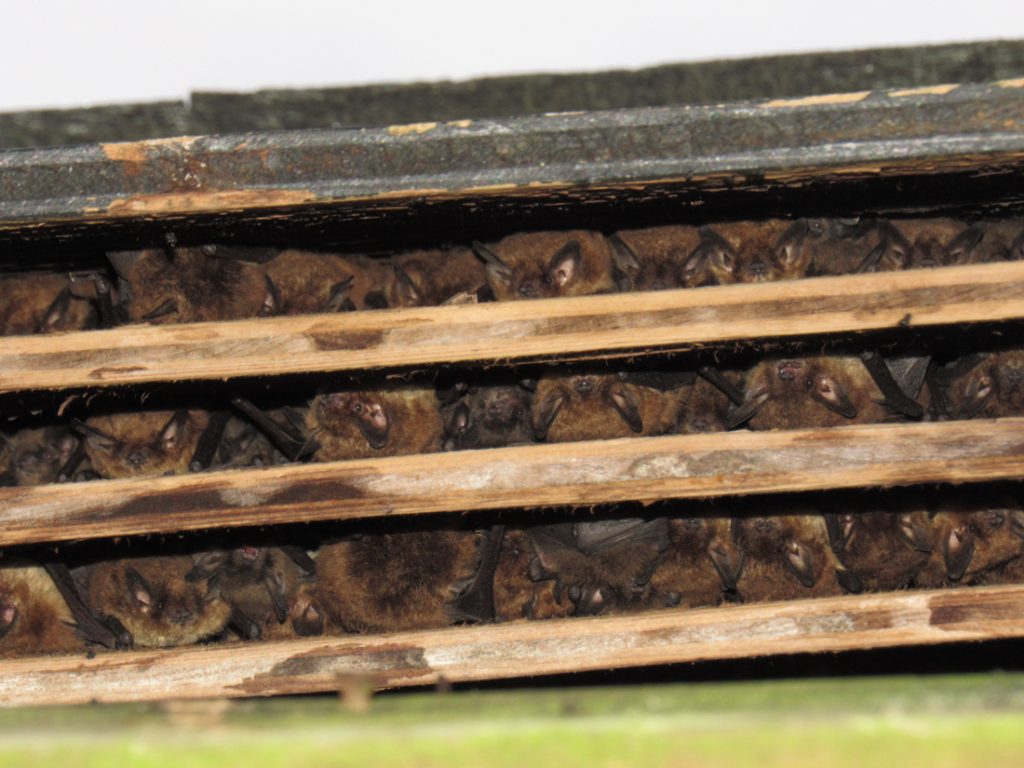
Bat box maintenance is crucial for sheltering bat populations. More is need to sustain our bat populations.
BC Community Bat Program photo
As for the real bloodsucking menaces, a single Little Brown Bat has been known to eat six hundred mosquitos in only an hour, which should be enough to endear them to anyone during the spring and summer months.
Unfortunately, a combination of human encroachment into their natural habitat, new predators in the form of house pets, and misguided extermination efforts have left half of the Okanagan’s bat species in serious population decline, and now a new threat to their numbers is approaching from Washington State.
The Government of BC website states that White-nose Syndrome has already led to the deaths of over six million bats since 2006, and it has been present in Washington State since 2016. The disease causes a white fungus to grow on the bat’s nose or wings while it is hibernating, causing it to wake up and use its limited energy reserves to clean the fungus away.
Whether the bat then chooses to hunt for food during winter’s daylight hours or wait for spring, it is much more likely to die due to lack of energy once its hibernation has been interrupted.
Part of the reason that diseases and habitat losses hit bat populations so hard is that most species already have a very low birth rate, with the average female bat only giving birth to one pup per year. Many juvenile bats then fail to survive their first winter, making it difficult for bats to replenish their numbers even in the best of circumstances.
“Providing safe and healthy habitat for bats has always been important, since over half the species in this province are considered at risk,” said Rodriguez de la Veda. “With the continuing spread of White-nose Syndrome in Washington State, bat conservation is more important than ever as we expect to see impacts in BC in the near future.”
One of the best ways that the public can help to protect bat populations is simply to leave them alone, even if they take up residence a bit uncomfortably close to home. They would much rather be in trees or rock outcroppings or along river or lake shorelines but those natural roosting spots have increasingly given way to human development, leaving them to eke out similar small spaces in our buildings.
The US Centre for Disease Control says that “there’s no reason to evict [bats from buildings] if there is little chance for contact with people,” and bats use pre-existing gaps in a building’s outer structure for their roosts instead of chewing fresh holes or crafting nests, which makes them comparatively polite housemates.
As the BC Community Bat Program says in their literature: “It is possible to safely co-exist with bats with knowledge about how to protect human living space and how to manage hazards for both bats and humans.” But there are, of course, less intrusive ways to support local bat populations.
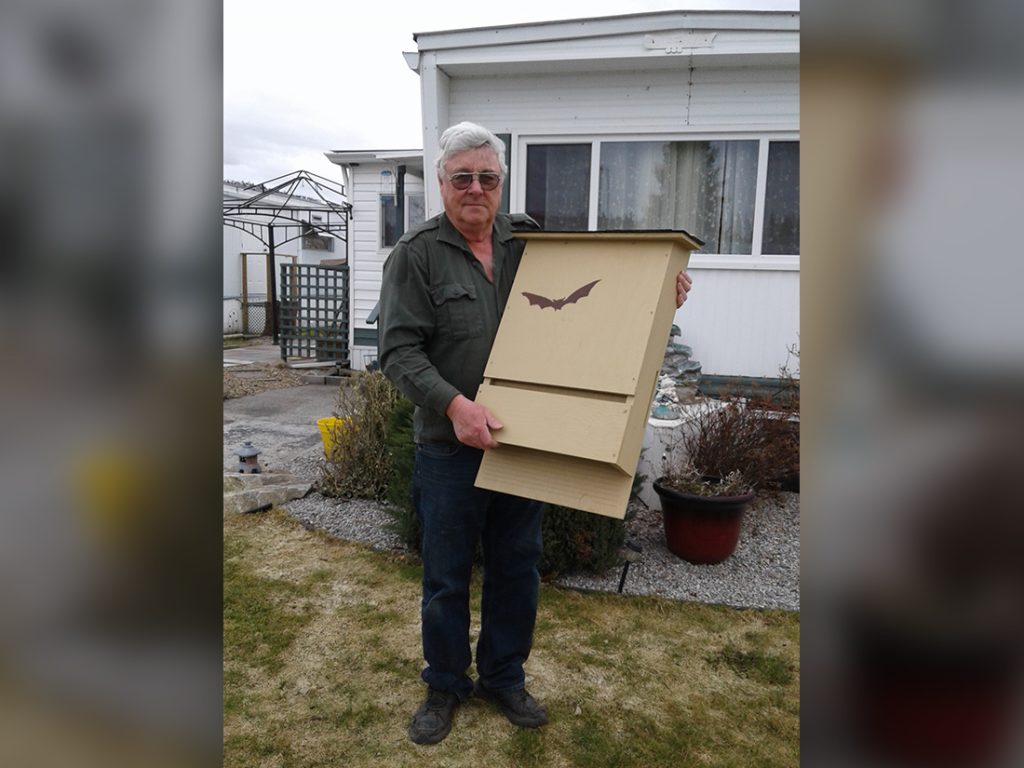
Bat box maintenance is crucial for sheltering bat populations. More is need to sustain our bat populations.
BC Community Bat Program photo
Bat houses can be bought commercially just like bird houses, and growing bat-friendly gardens full of native plants that feed adult insects will provide them safe, bountiful sources of food. New gardening habits can also help, such as leaving garden clean-up until late spring and piling dead plant materials somewhere in the fall instead of burning or disposing of them.
“Buildings and bat houses may provide important shelter for bats,” according to the BC Community Bat Program, “[but] this is not sufficient to sustain our bat populations if they cannot access drinking water or food in the form of insects.”
Residents who would like to learn more about the Okanagan’s bat populations can visit Vernon’s Allan Brooks Nature Center, which sometimes hosts bat presentations, or meet the bat colony in the attic of Peachland’s Historic Schoolhouse and Visitor Centre, or find the BC Community Bat Program online at bcbats.ca.