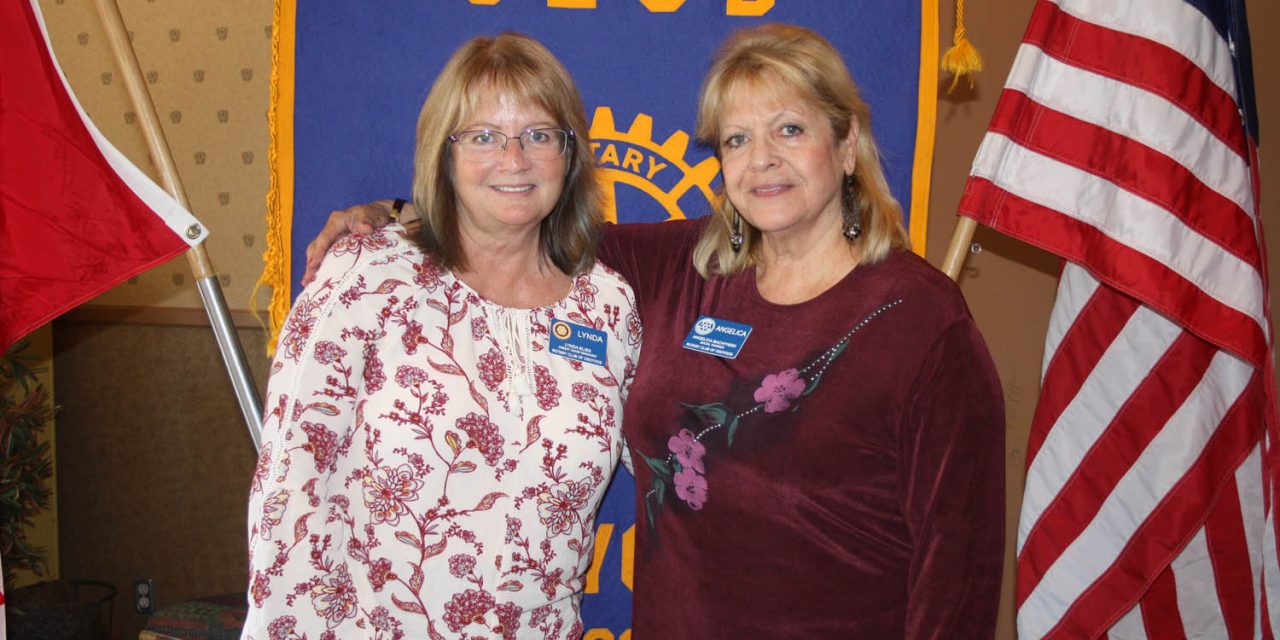
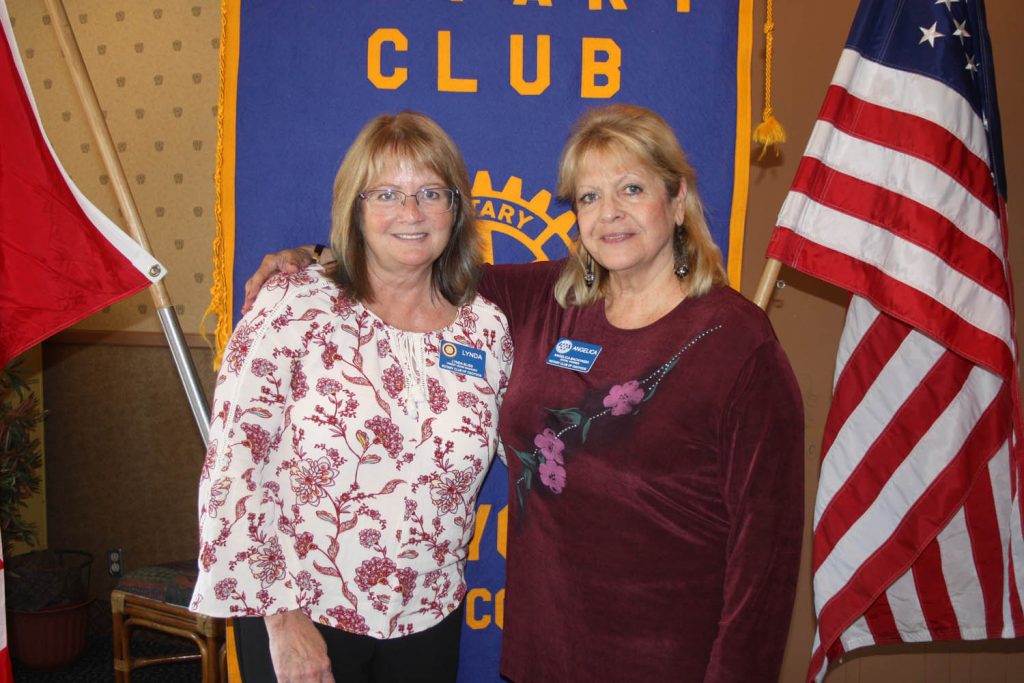
Veteran social worker Angelica Bachynski, who was born and educated in Peru but has called Canada home for more than 50 years, made a recent presentation to the Osoyoos Rotary Club detailing how child slavery remains a significant problem throughout Latin America. A large percentage of children never get the opportunity to pursue their education because they are forced into child labour, said Bachynski. (Keith Lacey photo)
A veteran social worker who grew up in Chile – but has called Canada home for more than 50 years – told local Rotarians recently the depressing statistics relating to how child slavery is a thriving industry across Latin America and much of the world.
During a presentation to the Osoyoos Rotary Club, Angelica Bachynski, detailed how millions of children in countries spread across South America are forced to work for little or no wages and how most of them have no formal education opportunities.
Bachsynski graduated with a degree in social work from a university in Santiago, Chile and has been working in social work her entire adult life.
Bachynski’s presentation was entitled, “Child Slavery in Latin America and Venezuela” and she detailed depressing statistics which appeared to shock many of the Rotarians in attendance.
“There are 21 million children in Latin America who are not attending school,” said Bachynski, who is a member of the Osoyoos Rotary Club. “Fourteen per cent of the population is illiterate in Latin America.”
Because of dire poverty spread across numerous countries, many of the children not only grow up poor, but many of them fall victim to serious life-threatening diseases such as malaria, typhoid fever and AIDs, she said.
“There are so many diseases, it is unbelievable,” she said.
In some of the poorest Latin American countries such as Guatemala and Honduras, 50 per cent of children only go to school for an average of two years or less, she said.
In the Amazon rainforest region, there are more than 400 tribal cultures that live off the land away from modern society and they remain steadfast in their unwillingness to change in any way, she said.
“They want absolutely nothing to do with white people,” she said. “Maybe one day they will want change … but for now we have to leave them alone.”
Across Latin America, the latest statistics indicate there are more than 16 million children involved in child labour who are forced to work for free or incredibly low wages, she said.
Most of the parents of these children don’t have any formal education and they have no choice but to force their children to work in child labour at a very young age in order for the family to survive, she said.
“They have to work … they have no choice … the parents are so poor, they don’t have a choice,” she said. “Some of them work 12 to 14 hours a day.”
Bolivia is the only country in the world that has legalized child labour, she said.
More than 4,000 poor children who were living on the street were killed by police and the military in one Latin American country that depends for much of its economic development on tourists, she said.
“An average of six children were killed by police every night,” she said. “Tourists didn’t want to be bothered … tourists were more important than the lives of poor children.”
Even in 2017, slave labour remains the third most profitable illegal activity on the planet next to the illicit drug and gun trade, she said.
It would shock Canadians to know slave labour is actually taking place in Canada, she said.
She met a nanny from Nicaragua working in Vancouver, who was forced to work endless hours and not allowed to leave her residence for three years before managing to escape, she said.
“This isn’t just a problem in Latin America … but it is happening all over the world, including here in Canada,” she said.
There are more than 30,000 children working for Mexican drug cartels, she said.
“It’s not because they want to be there,” she said. “They are told they will beat you up or kill members of your family if they don’t do it.”
No child should be forced to work in horrid conditions for little or no pay and it’s extremely upsetting this problem exists in so many countries, she said.
One of the worst atrocities against children is taking place in Venezuela where an international embargo has shut off food and medical aid as President Nicolas Maduro continues the socialist policies of the late Hugo Chavez, she said.
Thousands of parents have abandoned their children, dropping them off at churches, hospitals and social agencies, hoping they might have a better chance of survival, she said.
The biggest issue with child abuse in Canada comes in the form of parents and guardians who abuse children due to a dependency on drugs and/or alcohol, said Bachynski.
“Canada is the No. 1 producer of drugs like Ecstasy and methamphetamine,” she said.
Citing Statistics Canada, she said more than $23 billion is spent annually treating drug addiction in this country, she said.
Bachynski apologized more than once for presenting such depressing news and disconcerting statistics, but insisted her information is accurate and statistically verified.
All we can do in a small town like Osoyoos is continue to sponsor programs like the drug awareness program at Osoyoos Secondary School, where local RCMP officers make presentations to warn students about the dangers of using illicit drugs, she said.
Bachynski said she doesn’t profess to have all the answers, but she does want people to know just how serious this problem is and that it’s going to take a concerted effort by world leaders to reduce the numbers and impact on society.
KEITH LACEY
Osoyoos Times