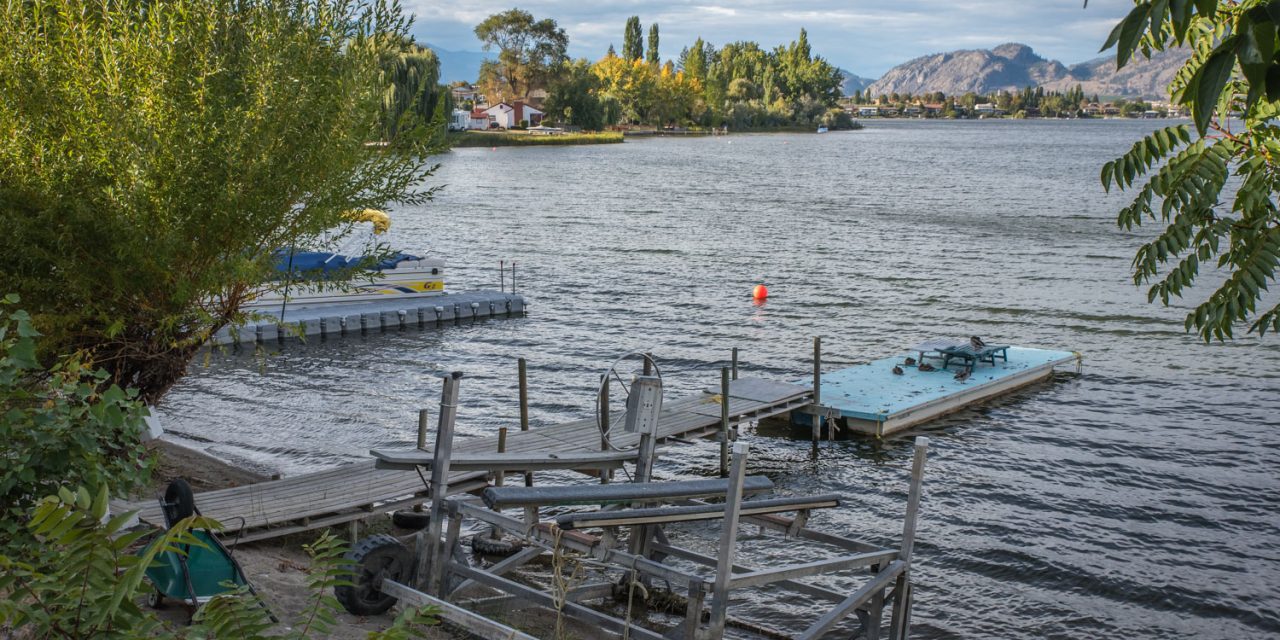
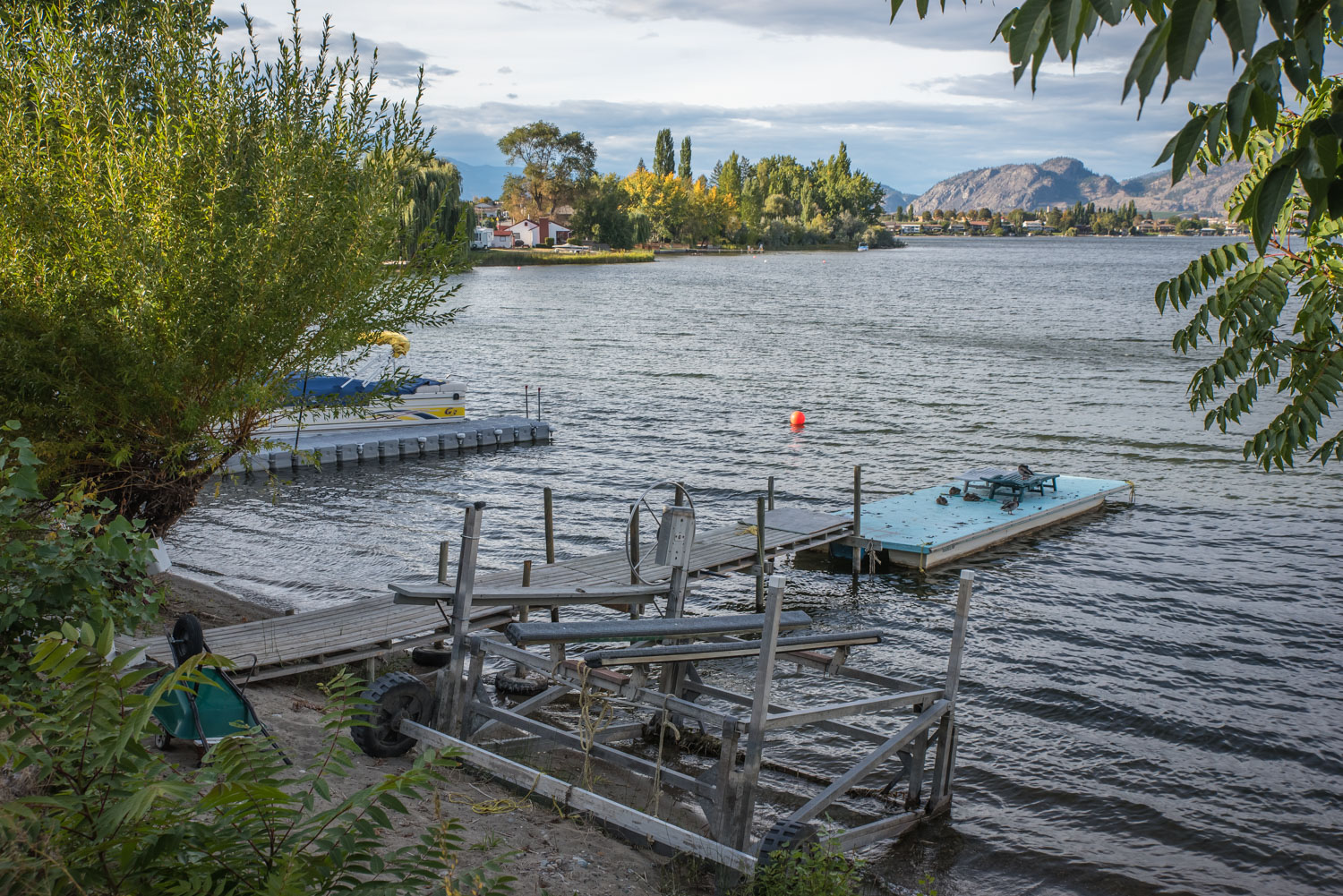
Residents with private docks are asked to help monitor for invasive mussels. (File photo)
The Okanagan and Similkameen Invasive Species Society (OASISS) is seeking community members who own private docks on Kalamalka, Wood, Okanagan, Skaha and Osoyoos lakes to participate in monitoring for non-native zebra and quagga mussels.
The society is concerned about the potential spread of invasive species into our waters and is launching this citizen science initiative to help expand regional efforts to keep the species out of the Okanagan.
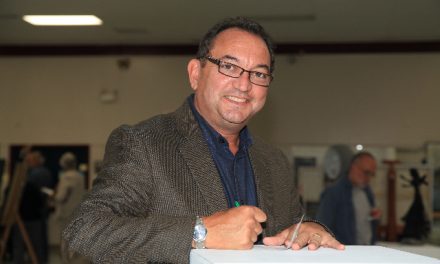
OASISS executive director Lisa Scott says the society has been checking for invasive mussels for seven years and this initiative will allow them to reach areas of the lakes that were previously inaccessible.
“Not only will we be able to improve the quantity of our data, but we will also be able to involve the community in an environmental cause that many feel passionate about,” Scott said.
• Read more: Rototilling ban will stay says province
The citizen science project is apparently the first of its kind in the province.
Participants in the citizen science project will be provided with a pair of mussel monitors to be attached to their private docks. They will be required to check the monitors for the presence of invasive mussels every two weeks throughout the summer.
The project received grant funding from the Habitat Conservation Trust Foundation to support the monitoring of the five Okanagan lakes for invasive mussels through both water sampling and monitoring stations. The project is also funded in part by the Okanagan Basin Water Board (OBWB) and run in conjunction with its Don’t Move A Mussel initiative.
Last month the OBWB called on the province to make improvements to follow Alberta and northwest partner states in implementing ‘pull the plug’ legislation that requires watercraft owners to remove the drain plug of their watercraft prior to transporting it. They also called for a renewal of funding and the introduction of legislation requiring all watercraft entering the province to report for inspection before launching into B.C. waters.
• Read more: New family business offers private milfoil harvesting
“The OBWB is extremely concerned about the possibility of zebra and quagga mussels reaching our lakes,” OBWB executive director Anna Warwick said. “Once established in a lake, invasive mussels harm ecosystems and impact water supplies. The lakes in the Okanagan Basin are especially vulnerable to these impacts.”
OBWB chair Sue McKortoff says according to their research a mussel infestation would cost the Okanagan at least $42 million a year to just manage.
Zebra and quagga mussels were first introduced to the Great Lakes region in the 1980s after ballast water was discharged by vessels traveling from Europe. Their spread is precipitated mostly by contaminated watercraft.
Invasive mussels can damage sensitive ecosystems, devastate native salmon, clog water intake pipes and water infrastructure and reduce water quality. Their razor-sharp shells can also make sandy beaches unwalkable in bare feet.
For more information about invasive mussels visit dontmoveamussel.ca. To register as a volunteer for the citizen science invasive mussel monitoring project, contact Lisa Scott at 250-490-7572 or email [email protected].