Image: Pixabay
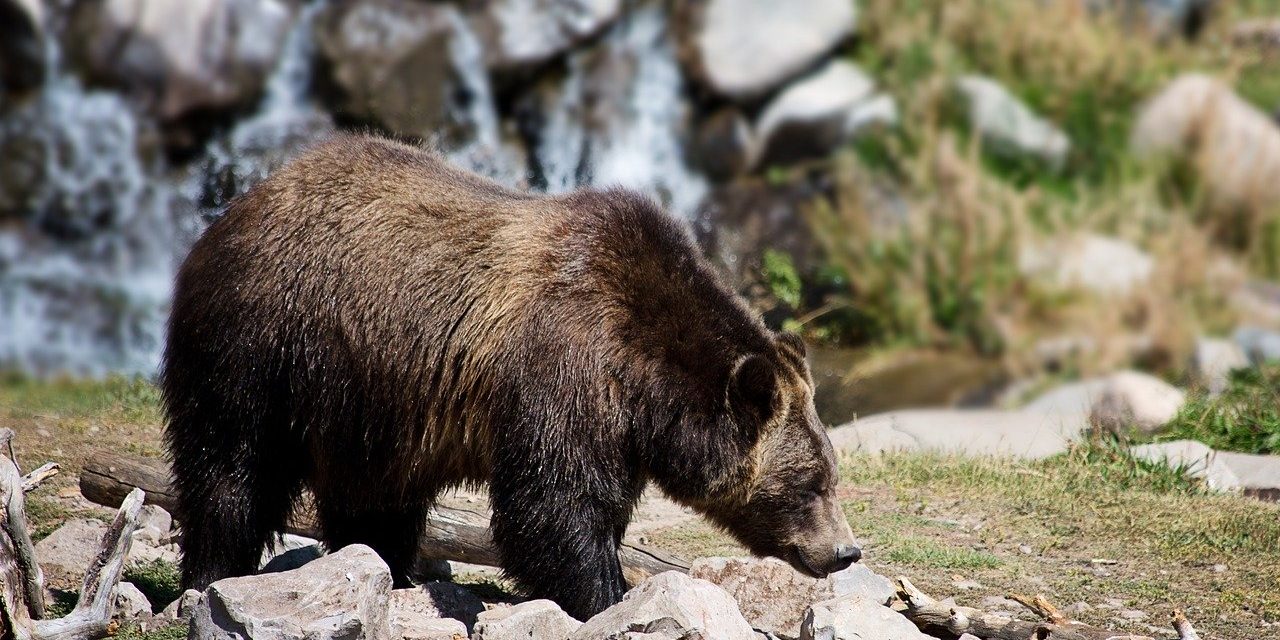
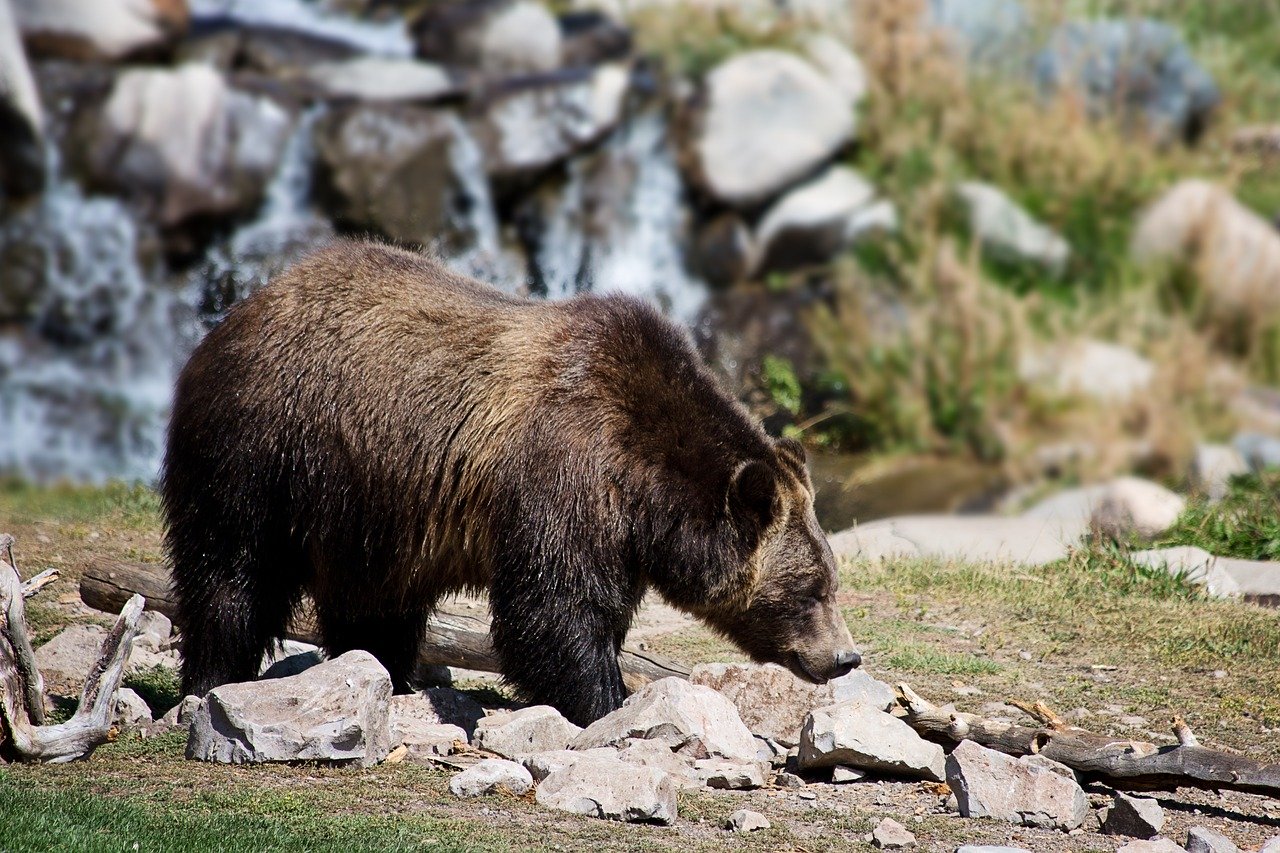
Although not affected by COVID-19, bears may inadvertently be the beneficiary of it, according to the Regional District of Okanagan-Similkameen (RDOS).
Store shelves emptying and increased purchasing of perishable food means more waste may be generated and attract bears, according to an RDOS press release.
“Household waste and recycling will most certainly grow in proportion and contain a whole smorgasbord of refuse; including diapers and wipes (which bears are especially fond of). Where does all that that waste end up? – In our curbside garbage,” the RDOS press release stated. “It is commendable how adaptive and resilient citizens and businesses are at this trying time, but we need to consider how best to deal with waste products, especially those that are wildlife attractants.”
Bears can smell five times better than a dog and along with rats and racoons (and the neighbour’s dogs) are also well adapted to smell out possible food sources.
To avoid bears and critters cruising your neighbourhood to access garbage the RDOS has provided residents with the following guidelines:
• Store all garbage in a secure area – preferably a lockable garage or shed
• Secure garbage bags to reduce odours
• Wash all food and recyclable containers thoroughly before placing in bins or setting aside for depot drop-off.
• Rinse completely all containers including glass (sauces, jams, condiments, pop, juice and alcohol)
• Freeze potentially smelly leftovers or scraps (meats and fish especially) and place into the garbage container just prior to placing out for pick-up • Do not leave garbage containers or carts at the curb.
• Place out garbage only on the morning of pick-up. Bears will have plenty of natural food sources to choose from when they leave the den. We all need to insure bears and their cubs can’t capitalize on this potential un-natural food availability.
“If we don’t, they will become food conditioned and habituated. We know that usually doesn’t end well for the bears and puts our neighbourhoods at risk.”
For further information contact Zoe Kirk with WildSafeBC, at 250-490-4110 or [email protected].