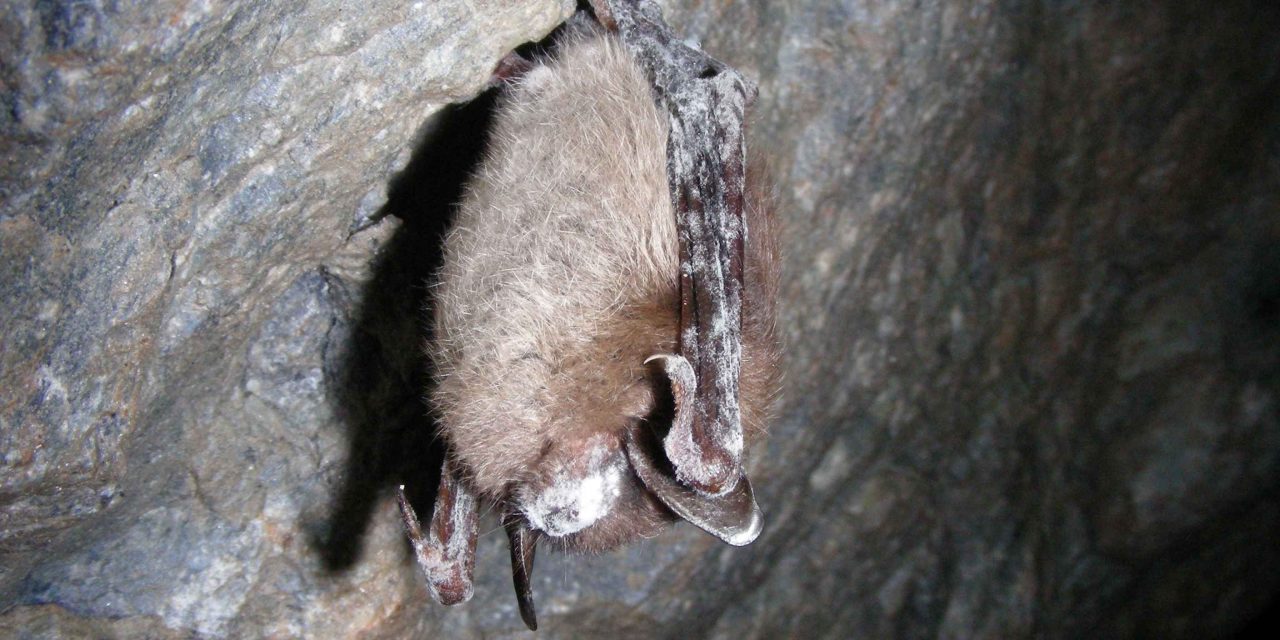
B.C. bats may be threatened by disease, and researchers are asking for the public to help. White Nose Syndrome (WNS), a fungal disease responsible for the death of millions of bats in eastern North America, has moved to the west coast.
Confirmed in Washington State in 2016 and 2017, the presence of the fungus is very worrisome for the health of bat populations in British Columbia, with near 100 per cent mortality for some species of bats exposed to the fungus. Although devastating for bats, WNS does not affect humans.
The BC Community Bat Program in collaboration with the B.C. government is requesting the public’s help in monitoring the spread of this disease.
“We knew this deadly fungus was moving westward across North America” says Mandy Kellner, coordinator of the BC Community Bat Program. “But we thought we had many years to prepare.”
Instead, the disease has suddenly appeared in the west, spurring B.C. researchers into action. Because little is known about where B.C. bats hibernate, researchers are turning to the public for assistance in monitoring for the disease.
The typical first sign of this disease is bats flying during the winter, an unusual sighting at a time of year when bats are hibernating. Another sign of the presence of WNS is the appearance of dead bats as they succumb to the effects of WNS.
Currently there are no treatments for White Nose Syndrome. However, mitigating other threats to bat populations and preserving and restoring bat habitat may provide bat populations with the resilience to rebound. This is where the BC Community Bat Program and the general public can help.
The BC Community Bat Program is encouraging the public to report dead bats or any sightings of winter bat activity to the Community Bat Project (CBP).
“Bat carcasses will be submitted for testing for White Nose Syndrome and would provide the earliest indication of the presence of the disease in BC” says Kellner. Reports of winter bat activity will help focus research, monitoring and protection efforts.
To report a dead bat or a sighting of one, contact the BC Community Bat Program at www.bcbats.ca, by emailing [email protected] or calling 1-855-922-2287 ext. 24.
The BC Community Bat Program is also reminding the public to never touch a dead bat with bare hands and to get further information regarding the risk of rabies if they or a pet have been in direct contact with a bat.