By Sebastian Kanally, Times Chronicle
Randy Houle, director of development services, prepared the first proposed amendments to Zoning Bylaw 1380 and the Official Community Plan (OCP) as a result of the province implementing new legislation around Small-Scale Multi-Unit Housing (SSMUH).
This new legislation mandates that by June 30, 2024 communities with a population greater than 5,000 must adopt a zoning amendment bylaw to comply with the legislation to increase housing density across BC.
This increase in density requires that three to four units be permitted on all existing serviced parcels that are zoned single family or for duplex use.
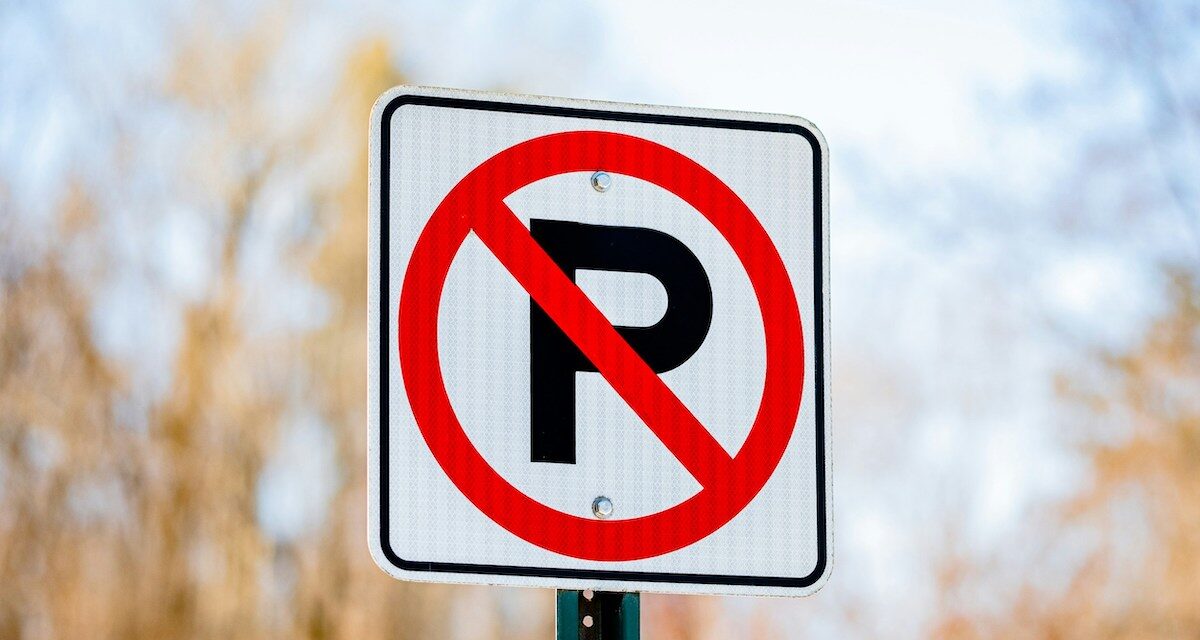
The biggest cause for concern for council was the parking requirements.
Houle proposed two changes in this regard.
The first proposed change to parking reduces the parking requirement for apartments or townhouses to one parking space per unit regardless of size. As it currently sits before the changes, if a dwelling unit has more than two bedrooms then two parking spaces are required.
The second proposed change seeks to eliminate the need to have visitor parking spaces which would result in more on-street parking. As it currently sits, each dwelling unit in an apartment building or townhouse is required to have 0.2 off-street visitor parking spaces.
Explaining how this works Houle said the total number calculated is rounded up. If there are three dwelling units in a set of townhouses, the total number of visitor parking spaces would equal 0.6, and would then be required to have one visitor parking space.
All the councillors, except Aimee Grice were not in favour of these changes to parking. They wanted to keep two parking spaces per dwelling unit and the 0.2 visitor spaces per unit.
Councillor Petra Veintimilla, attending the meeting remotely, asked “where are people supposed to park? We live in a rural community where driving is a necessity, in the lives of many people.” She also pointed to the lack of public transit in Oliver that larger centres may have.
Councillor David Mattes said that it should probably stay where it is at two because it seems that “everybody has two vehicles . . . to cut it back from two to one is probably the wrong direction”.
Grice agreed with the proposed change based on the rationale that “this helps avoid scenarios in which smaller non-family oriented units are being constructed rather than larger units to avoid an additional parking space being required.”
Houle did note that there may be some wiggle room when it comes to these details but cautioned council, ”I just want to make sure council thinks long and hard. Parking is basically the number one thing that prevents development from being built.”
“Oliver maybe is not on the radar as being one of these communities that hasn’t done their part in increasing housing density, but going the opposite way may not be the best approach, but I’m just here to try to provide the best advice.”
Veintimilla noted that their job is to look at how this will impact the community. “We have to plan for what is being suggested by the province, which is higher density through all of our single family neighbourhoods, and it’s our job to advocate for our own community.” She pointed to how the community will look in 20 to 30 years if all these cars are pushed onto the road.
Grice noted that “we certainly want to remain competitors’’ and shouldn’t keep requiring more parking spaces than other communities in the area because it may dissuade builders from coming to Oliver.
Mattes responded, “Yes we want to be competitive, but we also want to maintain the form and character of our community as much as we can, and that’s that fine line.”
Houle will be tasked with coming back after taking these suggestions from council into consideration.