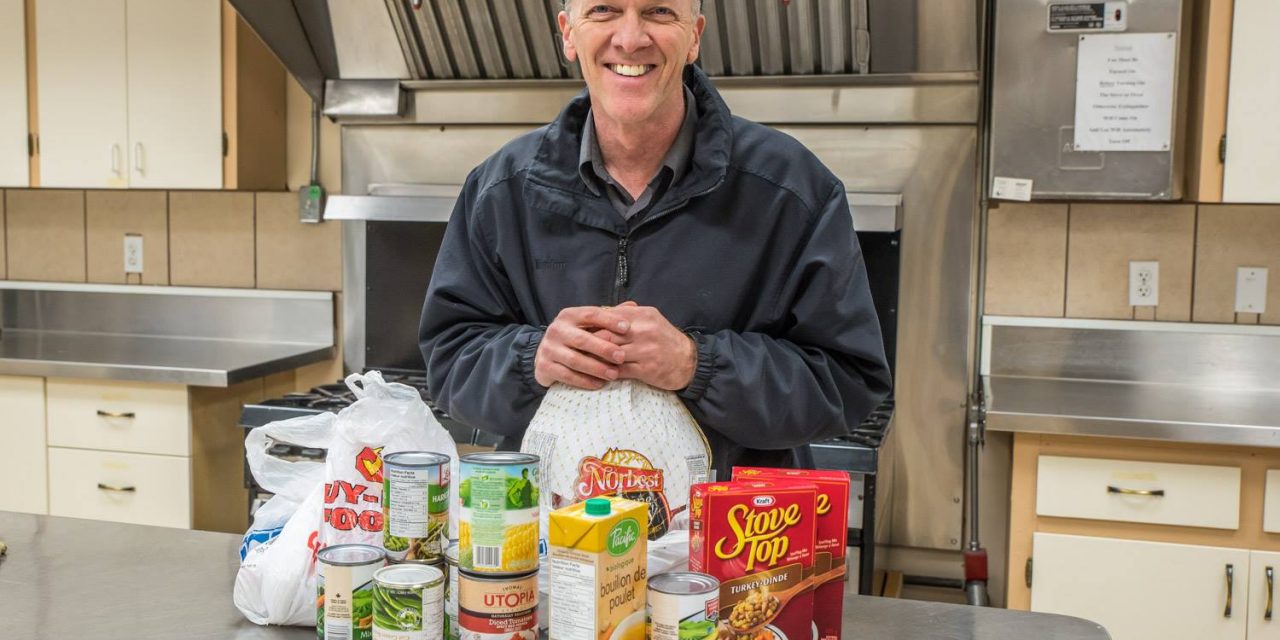
The Osoyoos food bank is now part of a sustainable program called FoodMesh, a food recovery service which is based out of Vancouver. The program works to connect places that have “commercial food surplus” like grocery stores with organizations that need the food like food banks.
FoodMesh states that they “divert and measure unsold food and ensure it is put to its highest end-use.”
Grocery stores often need to maintain the look of picture-perfect food on all their shelves and racks. Even though a banana with a few black spots on it is perfectly edible (and even sweeter because of it), it can be thrown away like many other foods with minor imperfections.
“Just because a tomato has a little spot on it, or an apple has this little quarter-inch bruise on it doesn’t mean that it’s not edible. And so, all of this food used to just be taken off, and it would be thrown away… now the big goal is for us to be able to come in and take the ugly but edible foods (that is the terminology that’s used) and make it available to people who come in,” explained Pastor Phil Johnson at a recent Rotary club meeting.
The FoodMesh program at the Osoyoos food bank is running weekly on Tuesdays and Thursdays from 10 a.m. to 11:30 a.m.
Two weeks ago, Johnson said they had a good number of people come out and take things like day-old breads, some dairy products which would expire that day (but are still perfectly safe and edible), and bruised produce.
Since the end of June, the food bank has collected approximately 8,900 kilograms of food through the FoodMesh program. About 90 per cent of this food has gone to people and two per cent has gone to farmers (who feed it to their livestock).
Johnson explained that when they go into the grocery stores to pick up food, they use an app to weigh the product, take a picture of it so that the FoodMesh organization can track everything.
Grocery stores also benefit from this program as they gain charitable credit from taking part in it. However, Johnson said that it has been a challenge sometimes for the stores to ‘un-condition’ their idea of what food is considered edible.
“I think for years everything’s just gone into the garbage. And so it’s been a challenge for that store to kind of realize that just because a cucumber is broken in half, doesn’t mean that it’s not edible,” said Johnson.
Despite the hard-hitting impact of COVID-19 across the board, the Osoyoos Food Bank reports that the demand for their services has gone down by 30 per cent compared to the previous year.
Johnson explained that this past January the food bank gave out 40 hampers, whereas in July that number dropped to 27 hampers.
“That’s also kind of expected at this time of year when there’s lots of jobs,” added Johnson.