

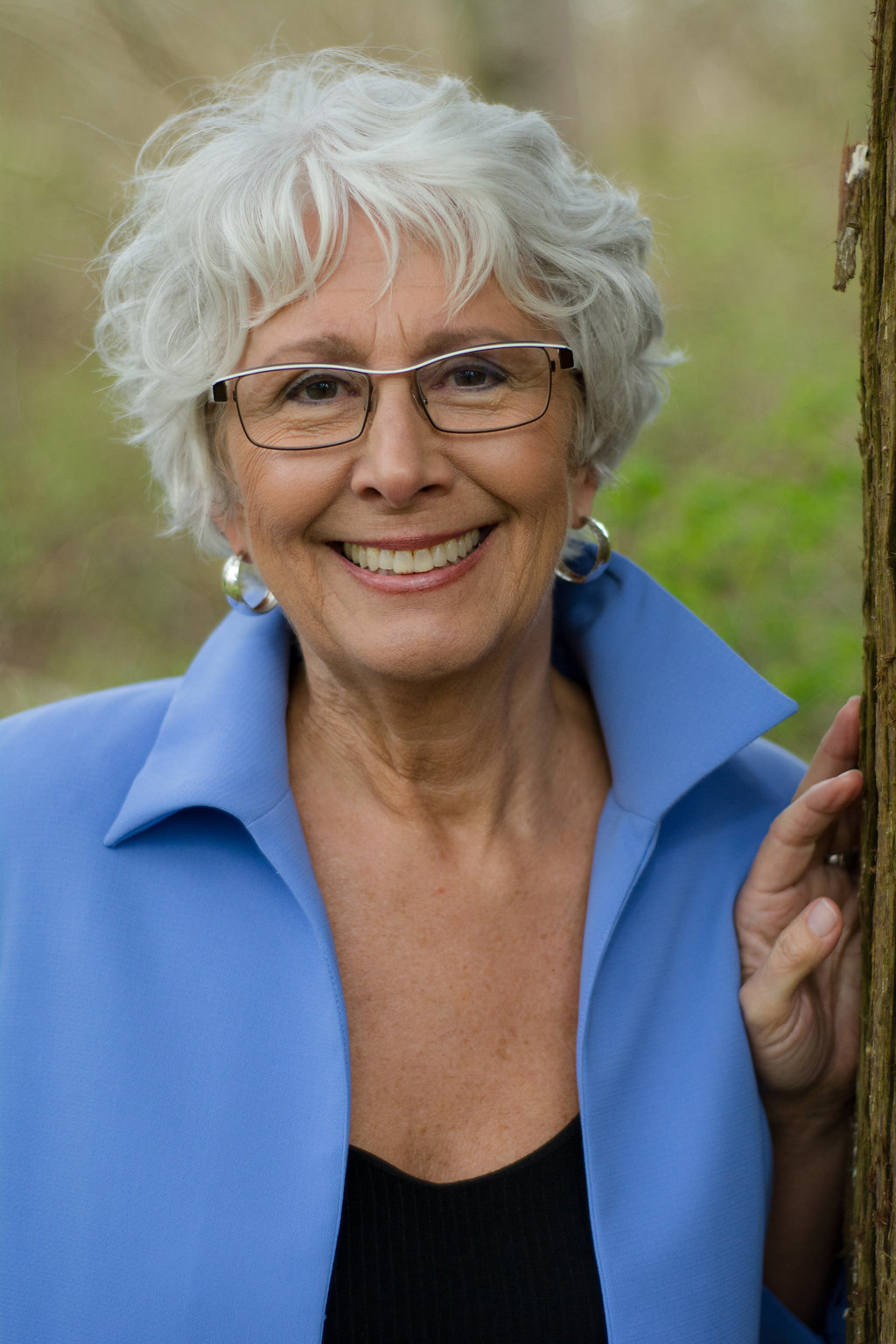
Joyce Steeves (Contributed photo)
Psychologist and author, John Gottman is an expert on marital research and has studied the relationships of over 3,000 couples for more than 40 years.
Gottman wanted to learn what makes relationships work and how to improve them.
In his “Love Lab” in Seattle, Washington he studied the behaviours of couples whose relationships were happy (which he calls the Masters) and those that were headed for divorce or a very unhappy relationship (or the Disasters.)
Here are some of the findings of Gottman’s research from his best-selling book, The Seven Principles for Making Marriage Work (2000).
Masters had a 5:1 ratio of Positive Behaviours to Negative Behaviours. Gottman discovered the Masters used five times as many positive behaviours to counteract the negative ones in their relationship.
Examples of positive behaviours are:
– Showing affection
– Appreciating
– Complimenting
– Being kind and empathetic
– Listening attentively
– Being interested in his or her partner
Examples of negative behaviours are:
– Criticizing
– Ignoring
– Showing contempt
– Being angry or hostile
On the other hand, Gottman found the Disasters had a ratio of .8 per cent:1 positive interactions to every negative behaviour.
In other words, Disasters used a little more negative than positive behaviours with their partners.
Relationships Aren’t Real Without Negative Interactions
Conflict is a part of life and cannot be avoided. In fact, Gottman maintains negative behaviours are actually productive because they help couples identify the things that don’t work.
Gottman observed the following differences between the Masters and the Disasters during times of conflict:
– Instead of criticizing their partners, Masters complain about themselves and use I-Messages to talk about how they feel and what they need. (i.e. “I feel frustrated when I come home and start to make dinner and find the sink full of dirty dishes,” or “I feel worried when our bank account is overdrawn.”
– Instead of being defensive, Masters accept and own part of the problem.
– Instead of being contemptuous or disapproving, Masters show they are proud of their partner. They have created what Gottman calls a “culture of appreciation” by showing affection and respect. The Masters also look for things to appreciate and encourage in their partner.
– Instead of stonewalling or ignoring their partner,
Masters listen attentively. They have eye contact, nod their heads and use vocal sounds that show they are listening.
– Friendship is Extremely Important.
Through his research, Gottman learned that couples need to continually improve and renew their friendship. To accomplish this, they need to focus on his first three principles:
1. Build Love Maps
A Love Map is an internal road map about your partner. Examples of ways to learn about your partner’s psychological world are:
– Showing interest by asking lots of meaningful questions about his or her life.
– Being able to identify the main people in your partner’s life.
– Knowing what causes your partner stress and being able to identify his or her life dreams and values.
1. Show Fondness and Admiration
– Communicating affection and respect in small ways.
– Admiring and being proud of your partner.
– Appreciating him or her.
– Saying thank you for even the most trivial things
2.Turn Towards
– Turning Toward are verbal or non-verbal responses to your partner’s bids for emotional connection. Examples of bids are a smile or a wink, a touch or a hug or a comment or question.
For example, if one partner says, “That’s a beautiful house!” a Turn Toward response could be something as simple as a nod or a “Hmm.” A more enthusiastic Turn Toward response might be, “It looks like a miniature version of the mansion we saw in the vineyard last summer.”
During his research, Gottman noticed that when one partner Turns Away the other one feels hurt or rejected. He also found that a rebid is rarely made so that opportunity for emotional connection is missed.
Additionally, Gottman learned that when these three areas of friendship are working, couples are in a state of “Positive Sentiment Override.”
Here, when one partner criticizes or puts the other down, there is enough positive feeling in what Gottman refers to as the “emotional bank account” to override the negative feeling and act as a buffer against negativity and emotional distance.
In his book, Gottman also explains the remaining four principles couples can learn to address conflict in their relationship. A brief overview of these principles will be the topic of a future article.
In the meantime, consider using John Gottman’s proven methods to improve and renew your friendship with your beloved. It could be the best Valentine’s gift you have ever given.
Joyce Steeves has a Master’s Degree in Counselling Psychology. She worked for nearly 20 years as a teacher and 10 years as a counsellor. She divides her time between her private counselling practice for adults, adolescents and children in Osoyoos and a counselling practice in Penticton, BC.

