Times Chronicle Staff
Going into the backcountry? Be informed and be careful.
That’s the advice from Oliver/Osoyoos Search and Rescue (OOSAR).
Commenting on a public warning from Avalanche Canada, OOSAR team lead Kyle Fossett said local residents are quite fortunate to not have to worry too much about avalanche risk in this aera.
He noted the main area of concern is the north bowl of Mount Baldy, but he added that the resort’s ski patrol takes care of mitigating avalanche risks.
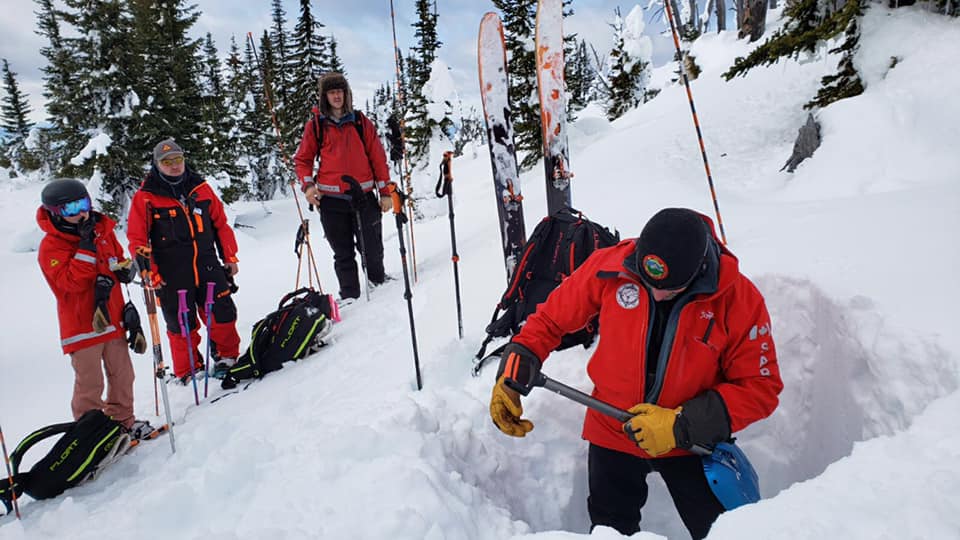
Fossett said if people do plan on heading into avalanche terrain, they should be well prepared.
“Take your essentials. This includes a shovel, probe, and transceiver for everyone in your group.”
A transceiver is an emergency locator beacon in case you get buried by snow.
“Know how to use your gear. Your avalanche transceiver is no good to you if you don’t know how to use it,” Fossett said.
He also encourages people to dress for the weather, bring a first aid kit, food, and water.
Fossett also reminds people to check the weather forecast, ski report and avalanche report before they head out.
In addition, he advises individuals to fill out a Mountain Information Network report online to tell people where they are going and when they plan to return.
Fossett said the Canadian Avalanche Association has great courses for recreational skiers, snowshoers, and snowmobilers.
“If accessing the backcountry from a ski resort, talk to the patrol and ask what they have been seeing in the snowpack.”
Avalanche Canada issued a warning for recreational backcountry users in BC.
It reported that a prolonged cold and dry start to the winter created a number of persistent weak layers in the snowpack. The recent storm and warming temperatures destabilized these weak areas, making large, human-triggered avalanches likely.
Avalanche Canada advises people to choose smaller backcountry objectives and stick to lower angle slopes.
Backcountry users should always check the avalanche forecast at avalanche.ca.