By Sebastian Kanally, Times Chronicle
Oliver voted to support a regional plan to combine multiple noxious weed, nuisance and pest services to form a single Invasive Species Service.
The town voted in support of the Regional District of the Okanagan-Similkameen (RDOS) plan to combine the services at their June 3 council meeting.
The existing Noxious Weed Control Service, Nuisance Control Service, and functions of control of caterpillars, noxious and destructive pests are all fully regional services. They have all already been accounted for in the five-year financial plan and so there will be no changes in financial implications for the Town of Oliver.
The amendment to the bylaw will establish one single invasive species service that combines the control of caterpillars, noxious destructive insects, noxious weeds and nuisance control services.
Invasive species are plants and animals that are not native to the province of BC or are outside of their natural distribution. Invasive species negatively impact BC’s environment and can adversely affect people’s health. They are also recognized globally as the second greatest threat to biodiversity after direct habitat loss due to human activity.
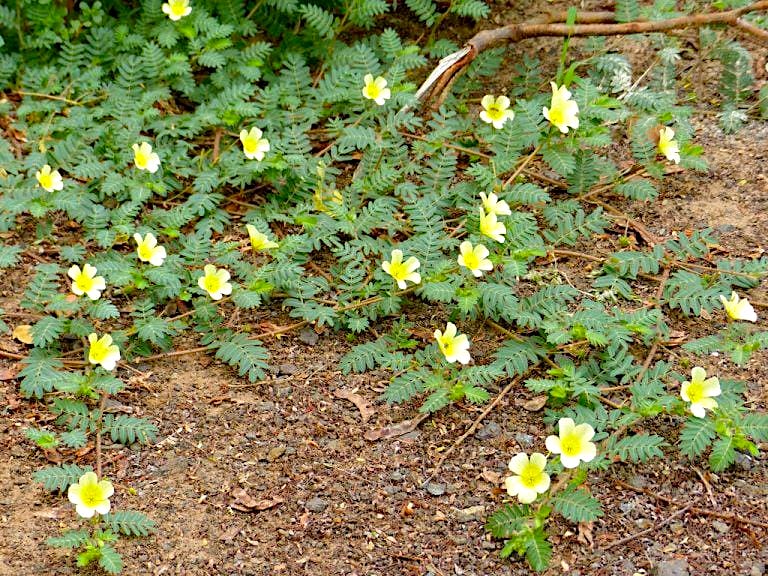
Common invasive species found in the Okanagan are Puncturevine, Blueweed, and the Northern Giant Hornet. Aquatic invasive species that have not as yet found their way into the Okangan basin are Zebra and Quagga mussels.
In the region, the Okanagan and Similkameen Invasive Species Society (OASISS), has been working in the prevention, detection and management of invasive plants in the Okanagan-Similkammen since 1996.
The bylaw will have to be subsequently sent to the Ministry of Municipal Affairs for approval.
For more information on Invasive Species in the region see the Invasive Species Program webpage on the RDOS website, or visit oiso.ca, or the Okanagan and Similkameen Invasive Species Society (OASISS)