By Tracy Sim, Times-Chronicle
The Okanagan Basin Water Board (OBWB) is asking the province to step up inspection and enforcement measures to prevent widespread invasive mussel infestations in high-risk Okanagan waters.
The OBWB is anticipating an extra busy Okanagan boating season on the heels of record setting watercraft sales and easing pandemic restrictions.
On March 9, the OBWB sent a letter to George Heyman, B.C.’s Minister of Environment and Climate Change, with six recommendations to bolster its Invasive Mussel Defence Program (IMDP).
This includes maintaining IMDP core program funding at 2021 levels at a minimum of $3.5 million per year, introducing “pull-the-plug” legislation, requiring all watercraft to remove drain plugs prior to travelling on B.C. roads, and reviewing and updating B.C.’s 2014 Early Detection, Rapid Response (EDRR) Plan for invasive mussels including public consultation prior to final publishing.
The OBWB also called for the provision of toolkits and resources for local governments to conduct vulnerability assessments and put in place mitigation measures like retrofitting in-water infrastructure, and it called for the introduction of legislation requiring all out-of-province watercraft to be inspected prior to being launched in B.C. waters.
And finally, it called for additional funding to invasive species groups in high-risk regions for monitoring, outreach, and education.
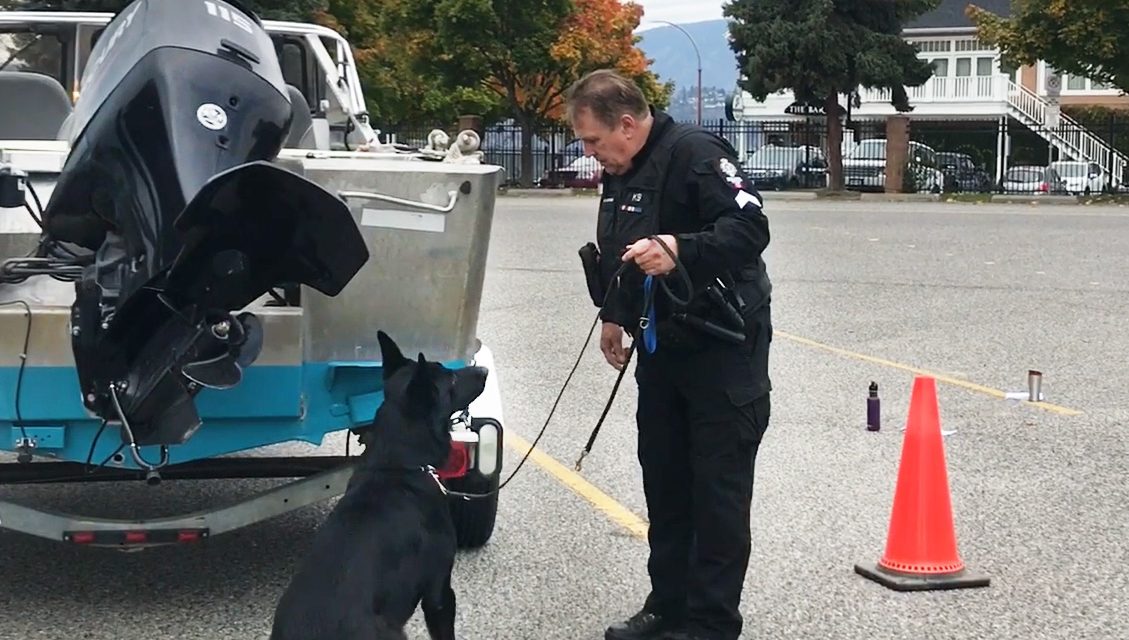
The IMDP says that since 2015 it has prevented 137 infested watercraft from entering provincial waters by conducting more than 220,000 inspections. “Many of the infested watercraft were headed to high-risk Okanagan waters. Still, gaps remain in prevention.”
Driving these concerns are statistics that show there are a record number of new watercraft owners on both sides of the border. And with people everywhere eager to get back to ‘normal’ summer fun, the OBWB sees a real potential threat looming for Okanagan lakes and waterways.
The OBWB says there are still far too many motorists with their watercraft who are failing to stop at designated inspection stations. Inspectors intercepted 17 zebra or quagga mussel-fouled watercraft this past summer during periods when the stations were open with much less traffic on the road.
It further raises concerns about how many more infected boats are entering the Okanagan outside of inspection hours.
“If invasive mussels arrived here, it’s not just people who drive boats who will be affected, it will affect everyone”, Osoyoos Mayor Sue McKortoff said.
“Once these mussels enter a lake, they become a recurring maintenance expense for in-lake infrastructure, like water lines, docks, and bridges. When they were introduced into Lake Winnipeg, it took only two years to reproduce in such large numbers that the beaches became foul smelling and un-walkable,” McKortoff added.