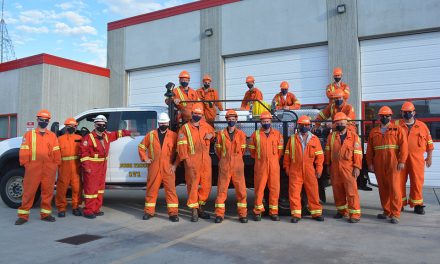
The federal government has contributed $331,000 to help plant 70,000 trees as part of the Osoyoos Indian Band’s Nk’Mip Creek Wildfire Restoration project.
The project will see 70,000 trees planted on the Osoyoos Indian Band (OIB) Reserve land that was burnt during the 2021 Nk’Mip Creek wildfire. The OIB has partnered with Vaagen Fibre Canada on the restoration project which is being driven by Nk’mip Forestry LLP.
“Recovery efforts in these sensitive areas of the Reserve post-wildfire are essential to replenish wildlife habitat and provide refuge from predators and the elements,” said Vern Louie, Nk’Mip Forestry Manager.
“Combined with the positive carbon- capturing effects these trees and shrubs will have, it’s an important project, and we are happy to have support from Natural Resource Canada.”
As reported by Times Chronicle on Apr. 13 the project will engage OIB elders and community members in a collaborative approach prioritizing cultural values and historical land use.
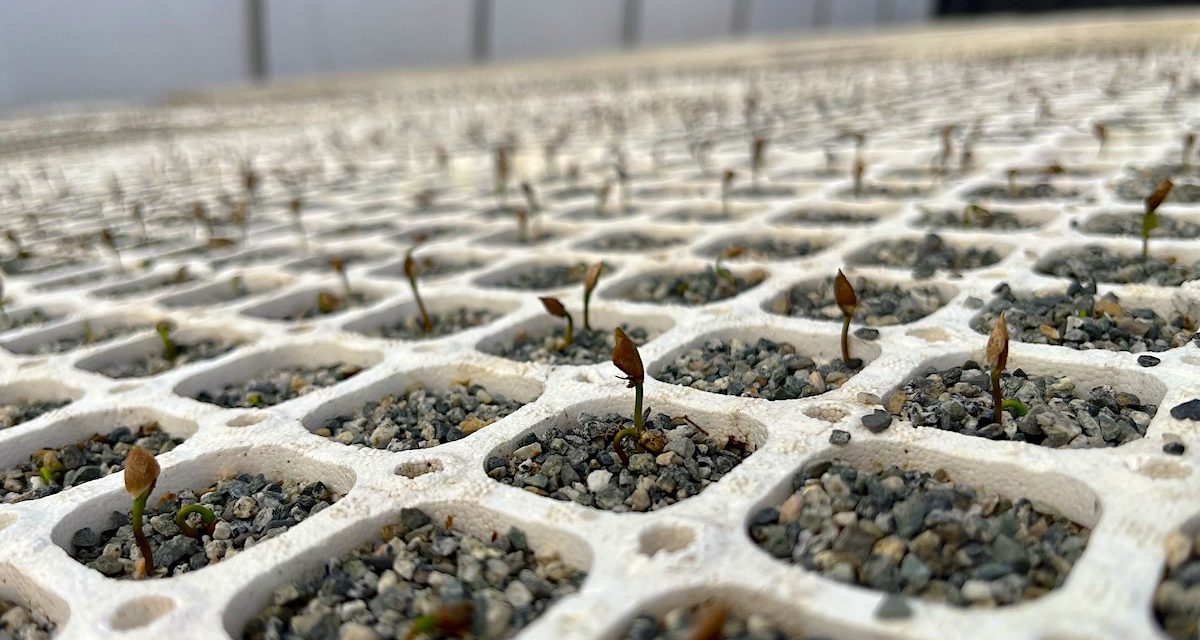
Community members will also be offered employment opportunities in the collection of cones and seeds, growing trees at the local nursery, planting trees and conducting post-planting surveys.
Additionally, the project will restore wildlife habitat and re-establish critical habitat for species at risk, reduce the risk of wildfire for local communities and sequester carbon.
“The Osoyoos Indian Band Nk’Mip Creek Wildfire Restoration project merges cultural values and Western science to create multiple long-term benefits,” comments Dan Macmaster, Registered Professional Forester.
“Strategically selecting the species and planting sites will help reduce the wildfire risk to OIB Reserve lands, Oliver, Osoyoos and the surrounding areas,” he added.
This project will also provide cultural benefits to Osoyoos Indian Band members through the creation of opportunities to direct activities taking place on their traditional territory; promote the re-establishment of understory species with high cultural value; and re-establish essential hunting grounds.
Peter Flett, Registered Professional Forester also noted that planting mixed species of trees will help not only biodiversity but increase wildfire resistance. “Planting fire-resistance trees such as trembling aspen, ponderosa pine, Douglas-fir and western larch will not only sequester carbon but also improve biodiversity and wildfire resiliency in the project areas,” he said.
The funding is being contributed through the 2 Billion Trees program. Over a period of 10 years, by 2031, up to $3.2 billion will be invested in tree planting efforts to support provinces, territories, third-party organizations (for-profit and not-for profit) and Indigenous organizations to plant two billion trees across Canada.
“Canada’s commitment to plant two billion trees is a key part of our collective effort to tackle the twin crises of climate change and biodiversity loss. Today’s announcement will further advance efforts to expand our forests, helping to capture and store carbon from the atmosphere, improve air and water quality, restore nature and biodiversity and create sustainable jobs,” said Jonathan Wilkinson Minister of Natural Resources.
The first 2021 planting season: approximately 29 million trees from over 150 different species were planted at over 500 sites across Canada. Over the remaining nine years of the program, partner organizations will continue the tree-planting journey: from seeds to seedlings and from saplings to trees in the ground.