By Don Urquhart, Times Chronicle
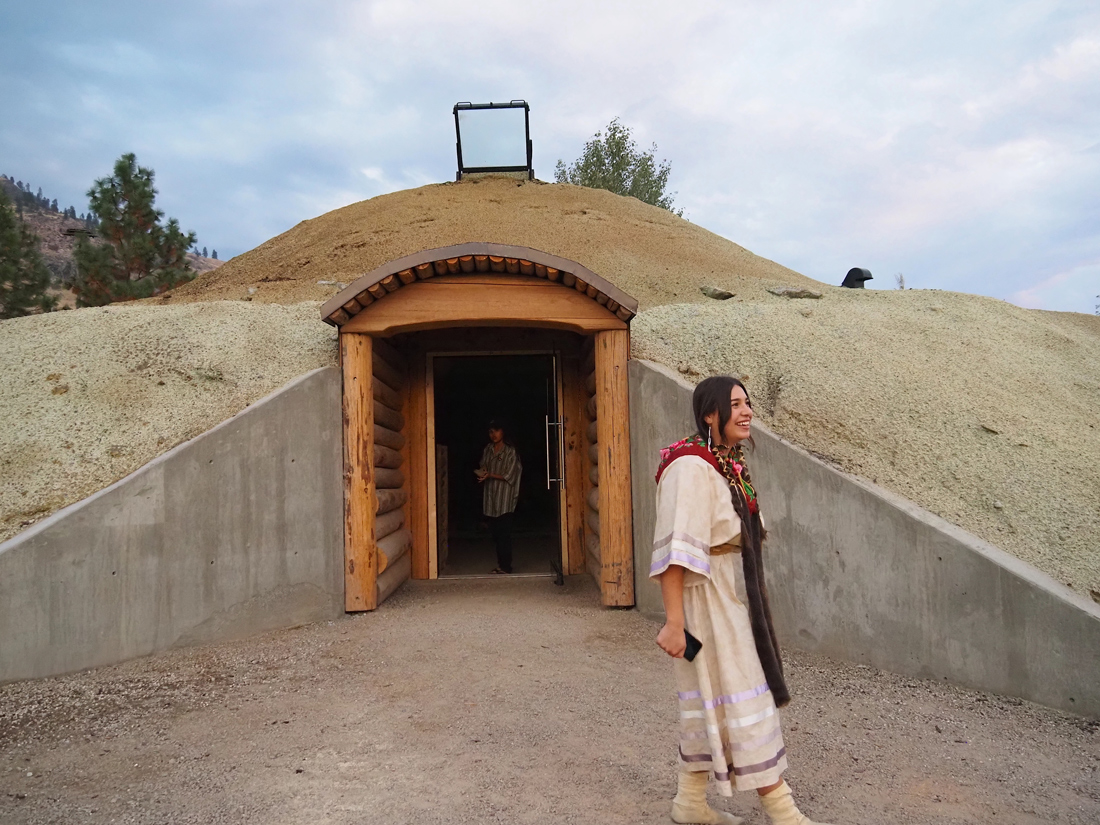
The Nk’Mip Desert Cultural Centre celebrated the opening of its new Pit House and building expansion on Sept. 29, just ahead of the National Day for Truth and Reconciliation.
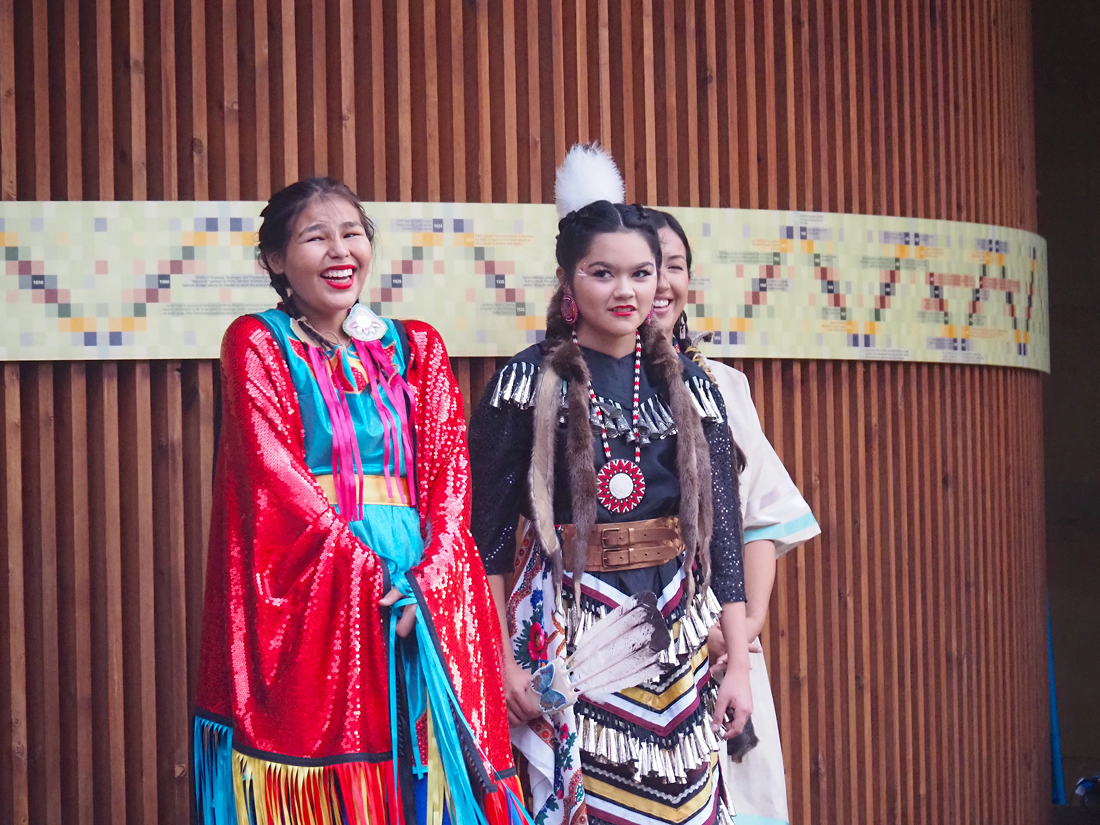
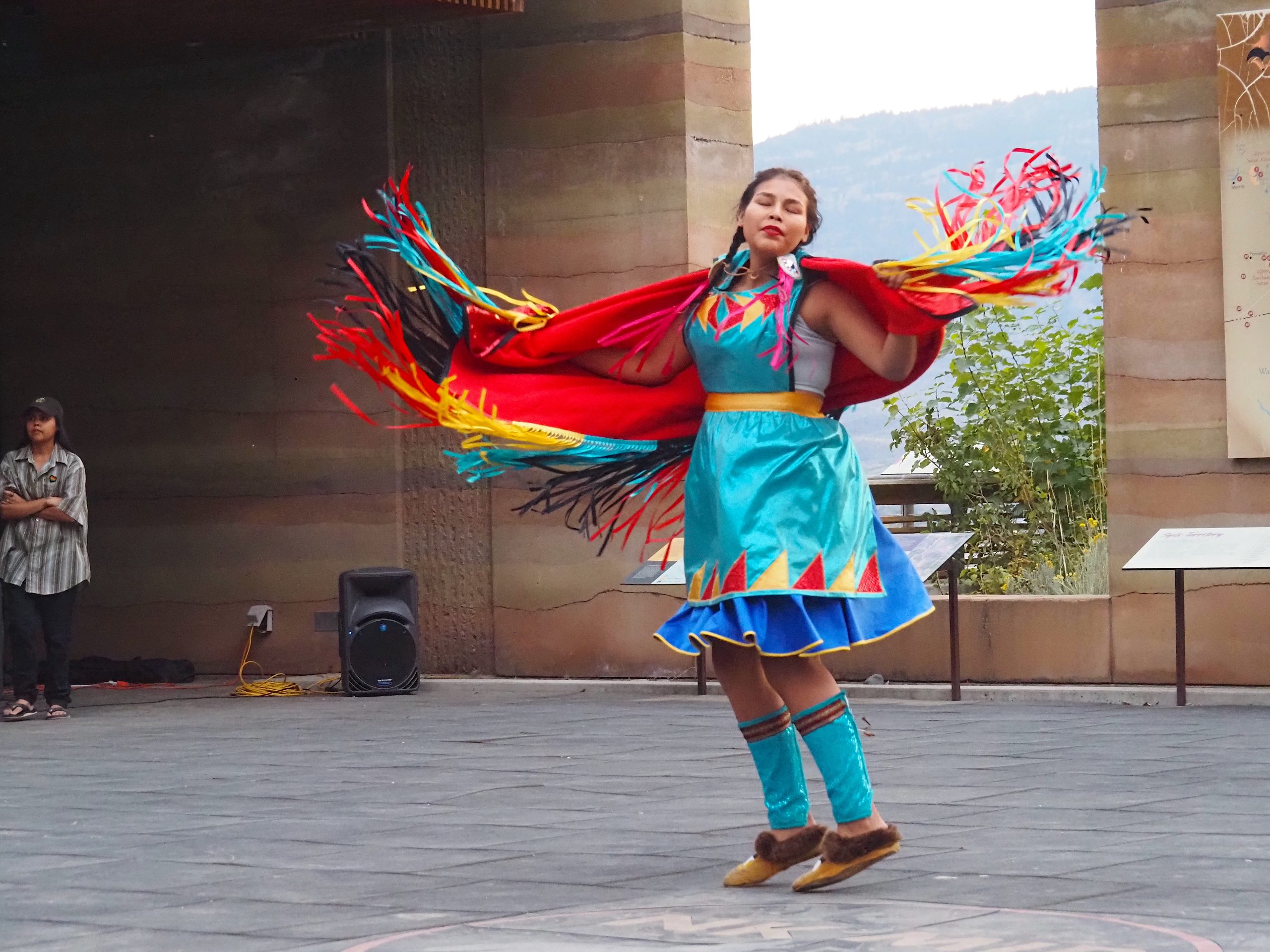
The opening ceremony featured a traditional prayer, dance performances, tour of the facilities and a smudge ceremony.
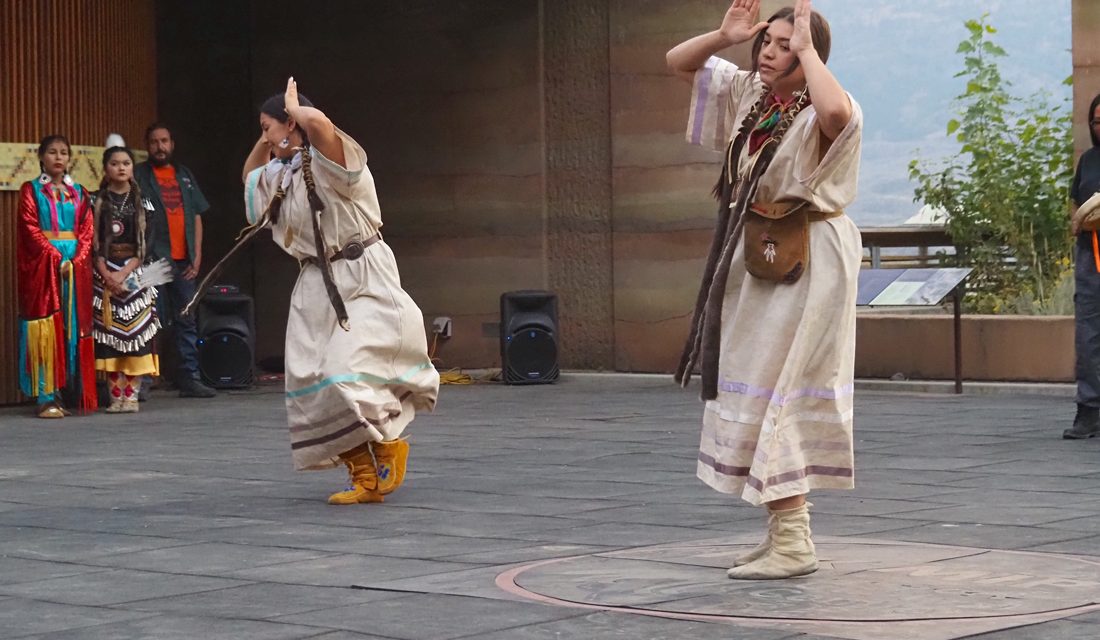
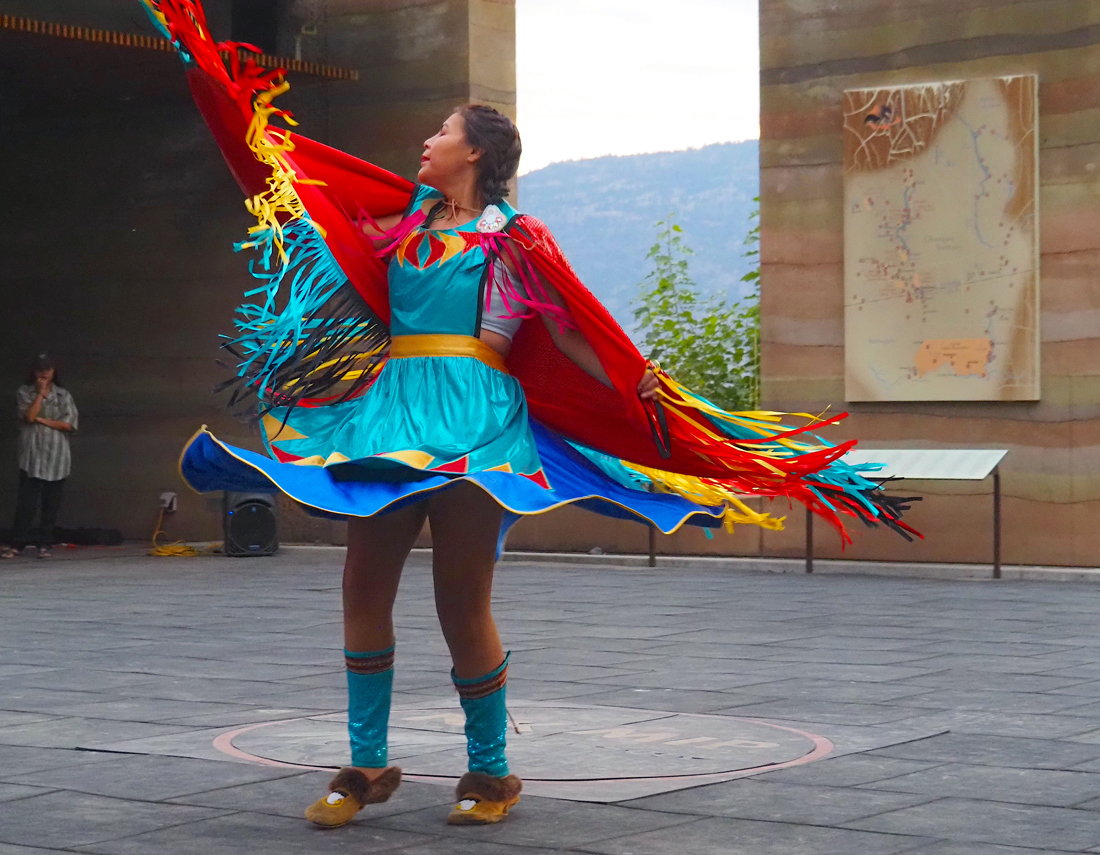
Jenna Bower, manager of the Centre and her sister Jordan danced to the Okanagan song and noted that there are only 12 dancers left in the Osoyoos Indian Band (OIB) that know how to do this style of dance, “so it’s very endangered,” Jordan Bower said.
“We’re working very hard to learn it, and showcase it and honour it. It’s a very special dance, it represents our land, our animals and our plants. The movements of the dance express that and honour everything that is here on our special land.”
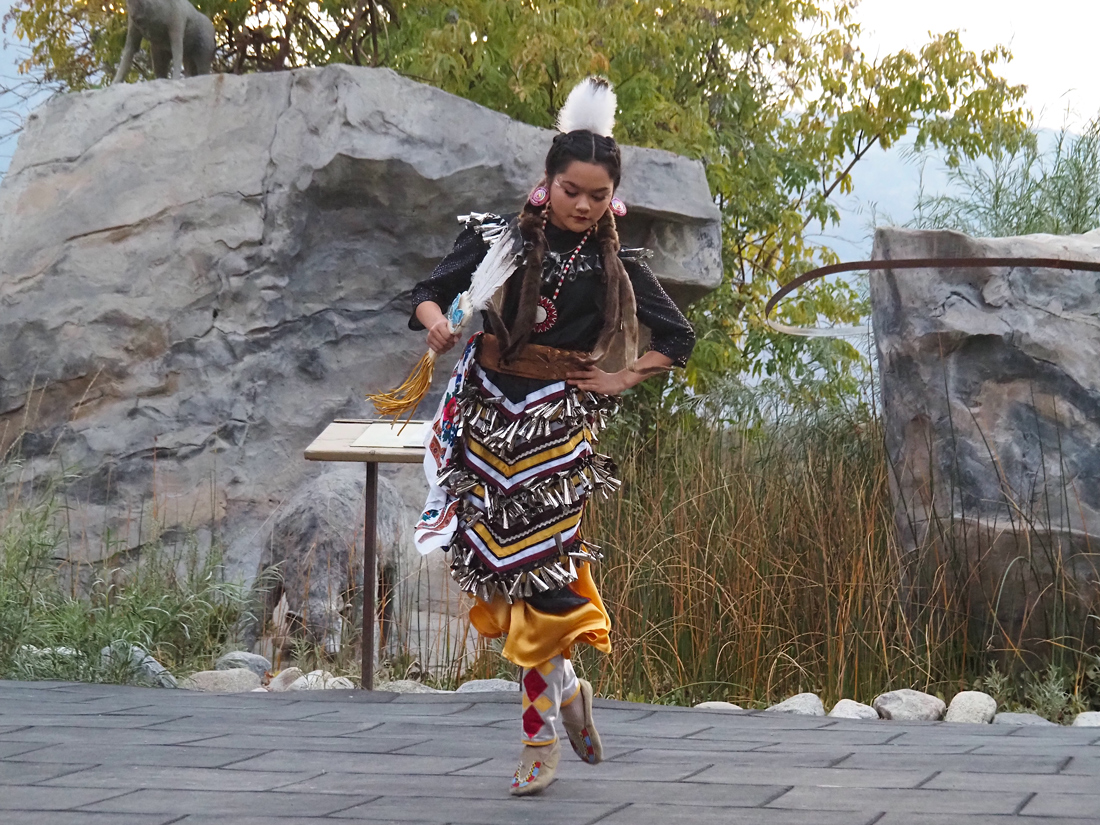
This was followed by a Jingle Dance” which is part of the pow wow dancing we do nowadays and it has become part of our collective culture as Indian people, as indigenous people.” Bower noted the jingle dress can weigh up to 3.6 kg. Also performed was a Fancy Shawl Dance which mimics a butterfly going from flower to flower, she added.
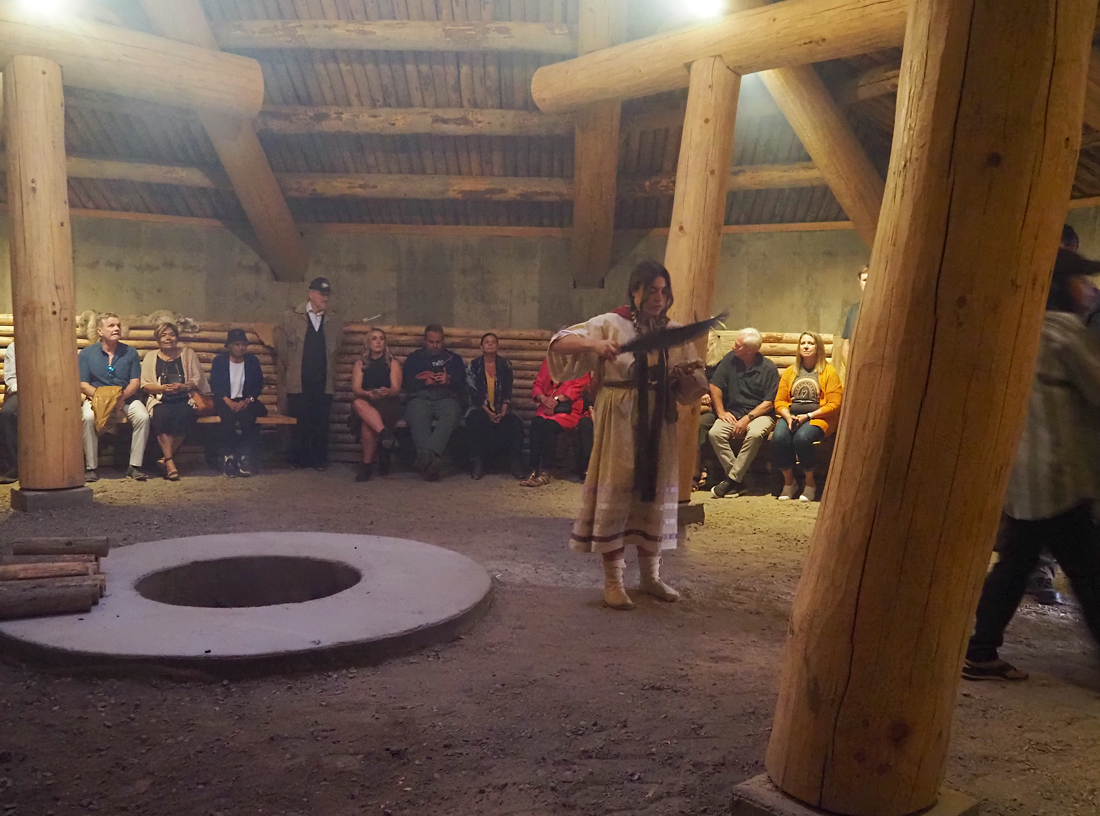
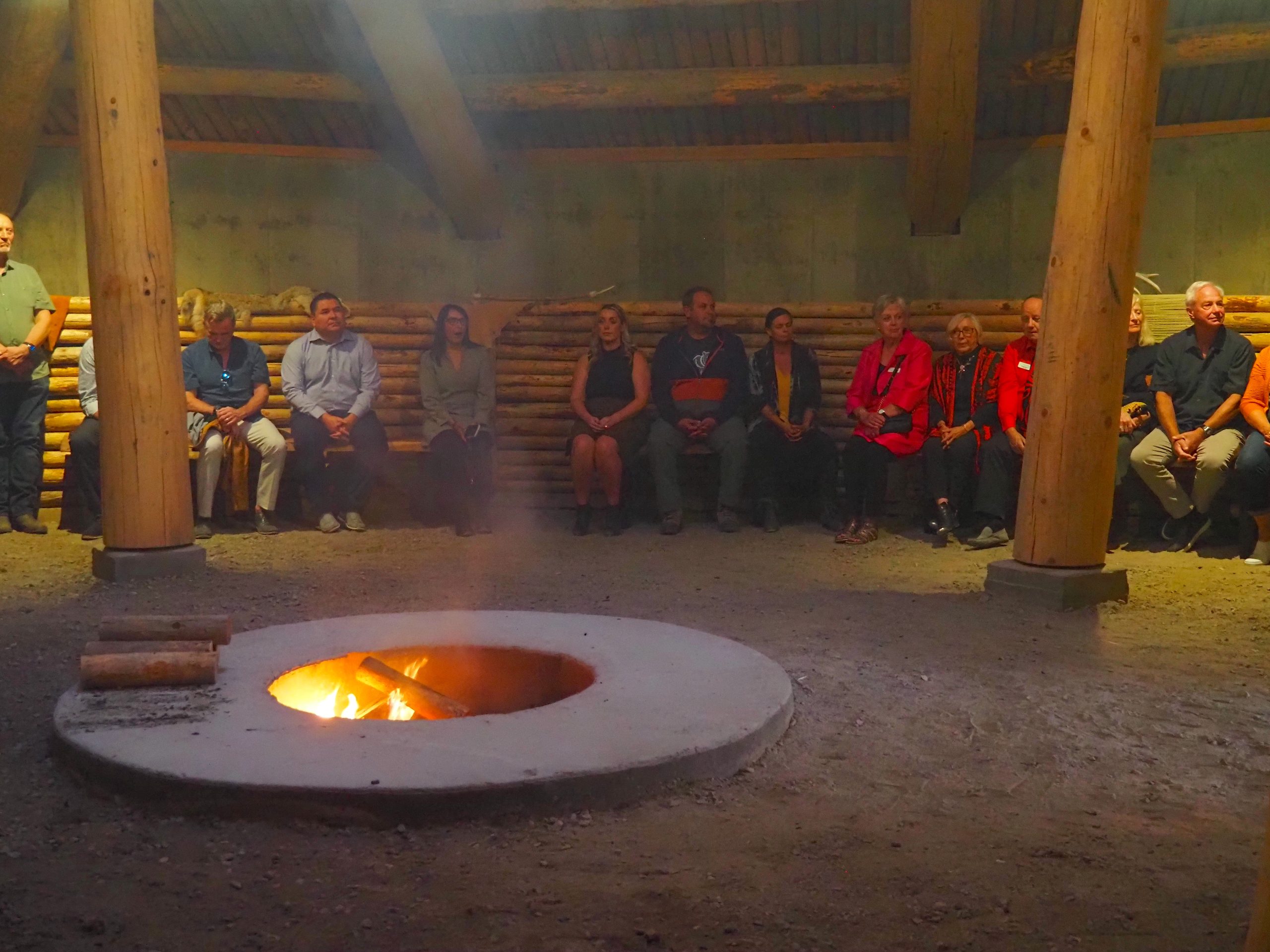
The new pit house, capable of accommodating more than 60 people, was described as a “huge labour of love” and one that has been years in the making.
A pit house is a dwelling historically used by the Syilx People of the Okanagan Nation along with various Indigenous peoples living in the Plateau region of B.C. and Washington State between the Coast and Rocky Mountains.
Partially built into the ground, pit houses provided warmth and shelter during the winter season with this distinctive structure estimated to have been in use across this region for at least 3,500 years. The shape and construction varied depending on the location.
Indigenous communities typically had three or four pit houses, with between 15 and 30 people occupying each one. Prior to contact with European colonizers these communities were typically much larger, containing 100 or more individual houses.
During summer months, Indigenous peoples of the Plateau often lived in light pole-framed shelters covered with woven reeds or grass mats which were well-suited to seasonal movements related to fishing, hunting and wild plant gathering.
For the nearly 100 people gathered for the opening, a smudge ceremony was conducted inside the pit house by Jenna Bower.
Smudging is a tradition, common to many First Nations across Turtle Island (continental North America), which involves the burning of one or more medicines gathered from the earth to cleanse the mind, body and soul. The four sacred medicines used in First Nations’ ceremonies are tobacco, sage, cedar, and sweetgrass.
The event also celebrated the opening of a nearly $1.2 million expansion of the Centre which will also help to drive additional revenue. This included creating a new space for staff, a place for workshops and classes like school groups.
An archival room is also in the works, but not quite complete. This will enable the band to repatriate their arts, crafts and objects of cultural and spiritual importance from far and wide. This alone is nearly a half-a-million-dollar project.
A “smudge pole” that is a functional piece of art will soon be installed outside the building for outdoor smudge ceremonies.
Photo Gallery
Video of the event