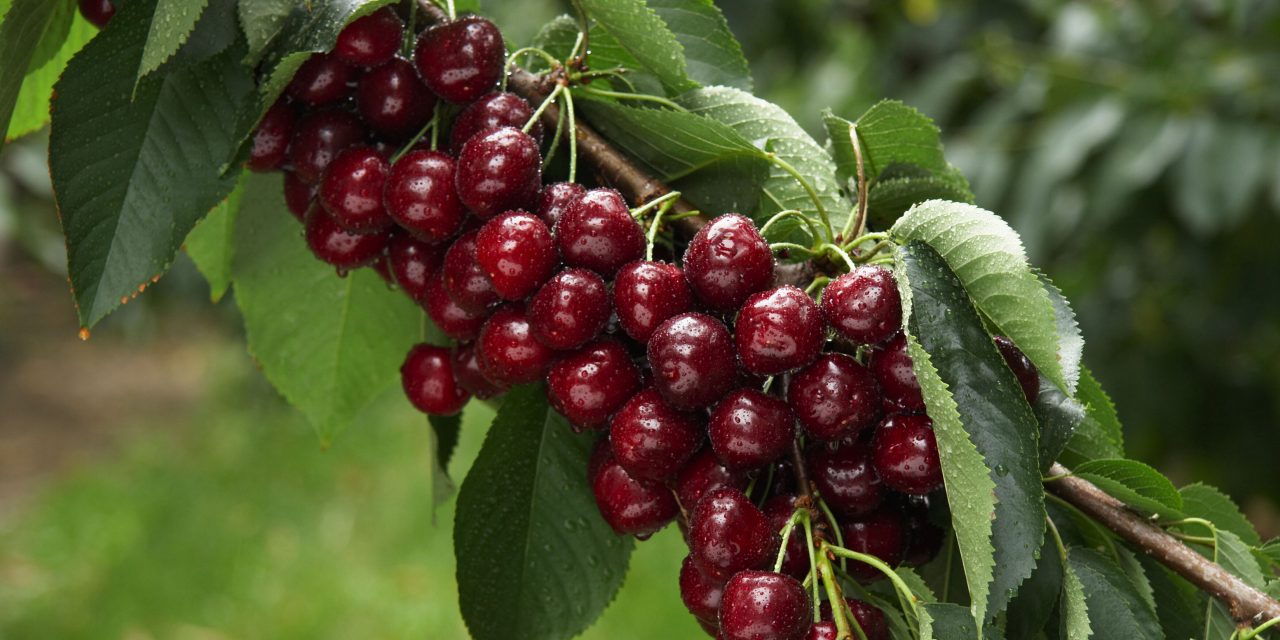
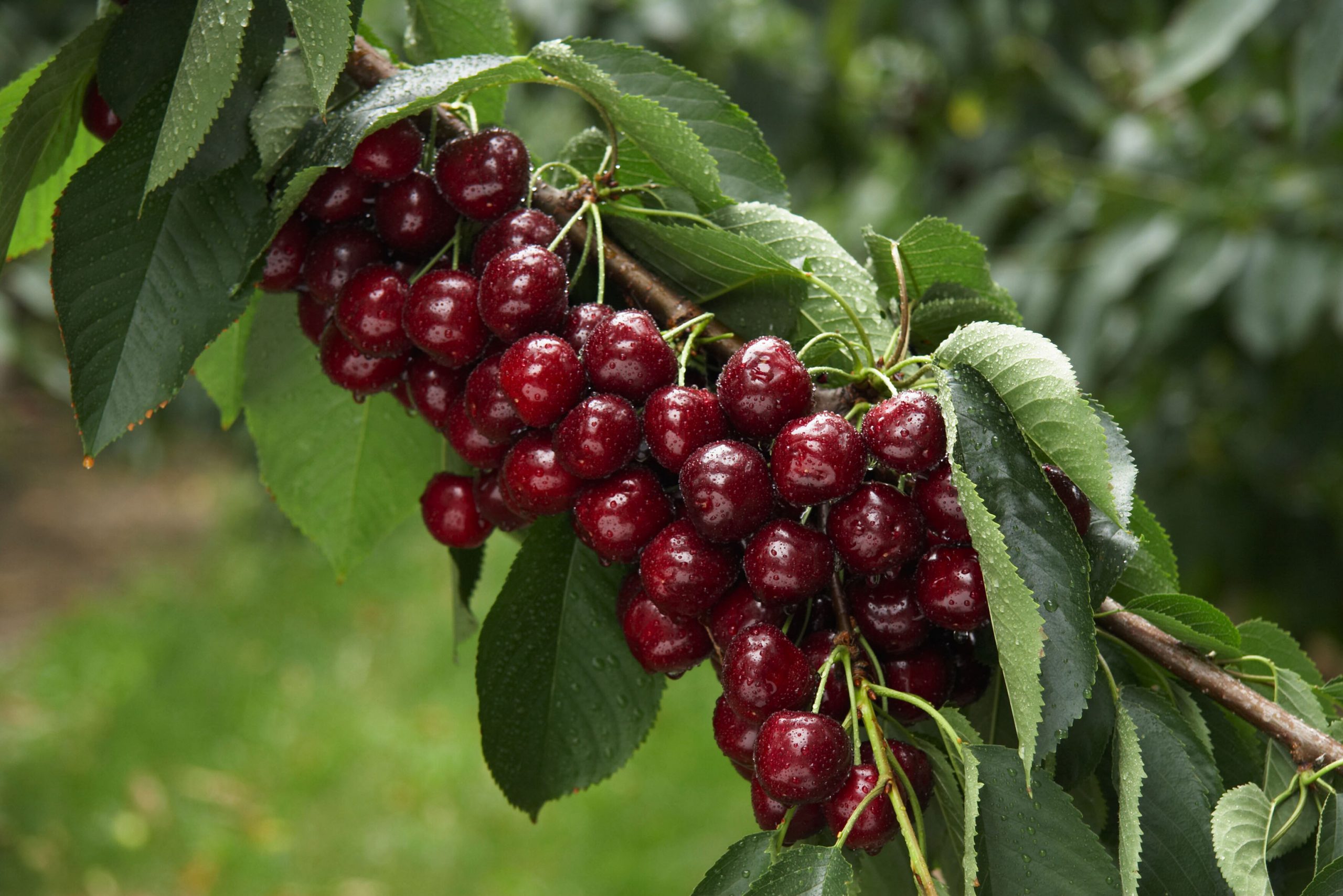
Cherry crops are down this year due to cold temperatures and rain. (Photo submitted)
By Dale Boyd
Osoyoos Times
Okanagan cherry growers are down about two million pounds of cherries from last year, with the whims of Mother Nature to blame.
While the bulk numbers are down around the valley, the cherries are large and visually pleasing according to Pinder Dhaliwal, president of the BC Fruit Growers Association.
The weather has not been kind to cherry season with a freeze in February, one of the coldest in recent history, as well as another frost around May.
“That really damaged some of the buds on the cherries that were going to flower,” Dhaliwal said.
Scattered showers and thunderstorms over the past two months has been an additional hurdle for some cherry growers. The moisture can cause the cherries to split making them unusable for sales.
“It all depends on which variety it was, how ripe it was and what other farm practices the growers have done,” Dhaliwal said
• Read more: Farmer defends valuable foreign work program
To combat the rain growers can use vapour guards, “cherry blowers” blowing air off the back of tractors and, an expensive option, using helicopters to blow the moisture away.
“That’s a very expensive route. If you’ve got a larger acreage, larger parcels, or you can hook up with a couple of neighbours who want to do it you can have the helicopter come down from Kelowna and try to shake the water off,” Dhaliwal said.
Crop levels varied among growers with some showing 30 per cent of their year-over-year yield and some reporting 70 per cent, Dhaliwal said
“Yes, mother nature, there’s not much we can do,” Dhaliwal said
“It’s always difficult because the inputs are the same. You still have to pay the property tax, you still have to pay the water tax, you still have to cut the grass. Just because you got half the crop doesn’t mean you have to put half the chemicals on or half the fertilizer.”
Dhaliwal is hoping pricing will make up for the losses, with large, nice-looking cherries coming out of the growing season.
“Obviously there is demand there because the supply isn’t there,” Dhaliwal said.