By Don Urquhart, Times-Chronicle
Improved cellular coverage on Hwy. 3 between Hope and Keremeos is finally coming to fruition after years of lobbying by the public and communities along the route.
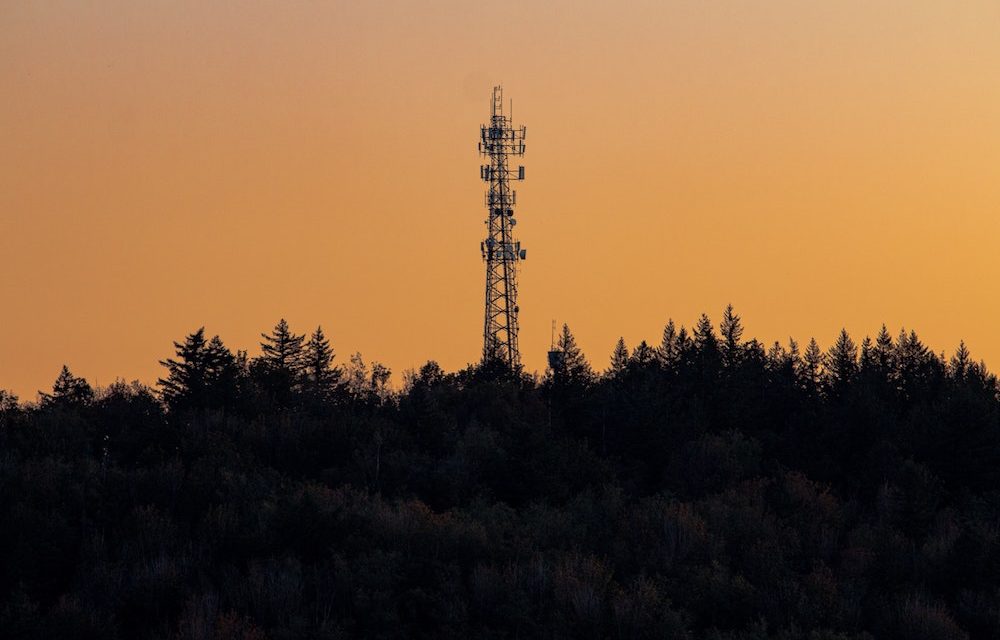
The project will expand cellular coverage along an estimated 92 kms of Hwy. 3 by adding 11 new cell towers between the two communities. The project is expected to be complete by fall 2024.
The lack of cellular coverage claimed the life of a trucker who was trapped in the cab of his truck for two days about 200 metres down an embankment in Manning Park. He was unable to call for help. Telus subsequently extended cellular coverage by adding a cellular tower at Manning Park Resort, but gaps still remained. The extreme weather event late last year that heavily damaged a number of highways in Southwestern B.C., including Hwy. 3, further highlighted the problem of coverage.
“Cellular coverage along key transport routes like Hwy. 3 is important for both commercial and recreational travellers, as it will enable people to stay connected and to access road safety updates and important emergency services while on the road,” said Lisa Beare, Minister of Citizens’ Services.
Roly Russell, Parliamentary Secretary for Rural Development and MLA for Boundary-Similkameen added that “recent flooding and landslides have highlighted the importance of access to reliable cellular coverage for the safety of people travelling our province.”
Cellular coverage along this section of Hwy. 3 is intermittent, with coverage gaps between Hope and Manning Park and between Princeton and Keremeos presenting the greatest challenge. When complete, Hwy. 3 from Hope to Keremeos will have consistent cellular coverage along the entire route.
The total cost of the project is $9.7 million of which the province is kicking in $3.1 million with the remainder provided by cellular service provider Rogers Communications Canada Inc.
“Recent climate events in B.C. have shown how vulnerable our infrastructure can be and the importance of connectivity in an emergency situation,” said Jorge Fernandes, chief technology officer for Rogers.