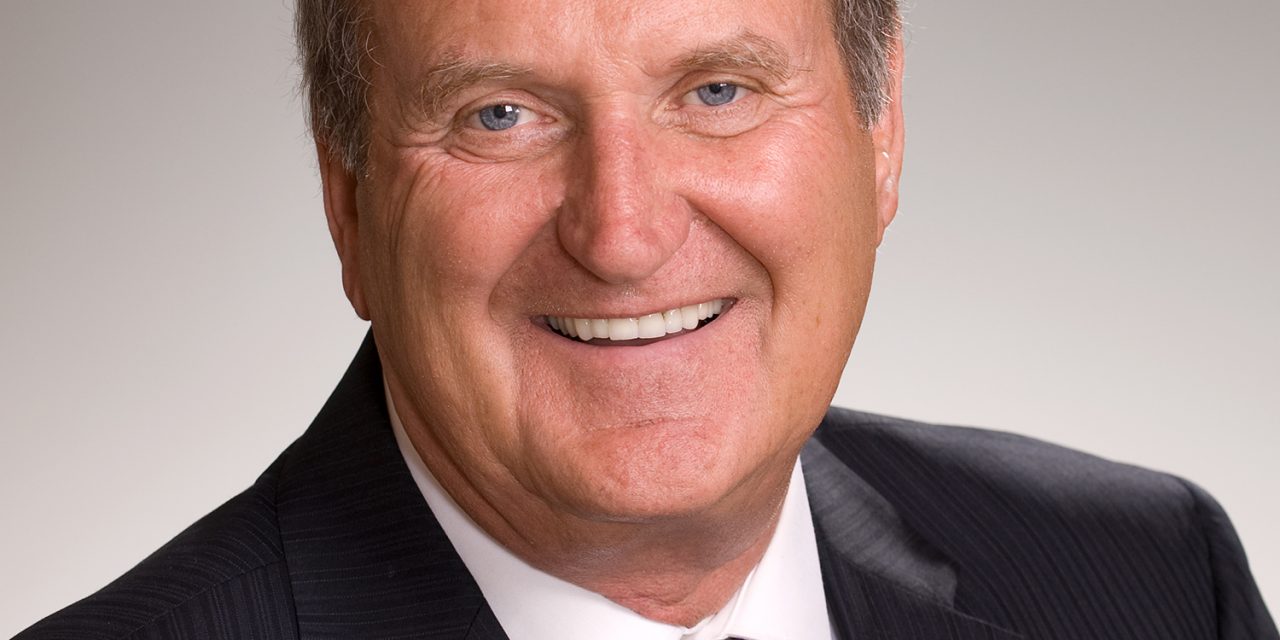
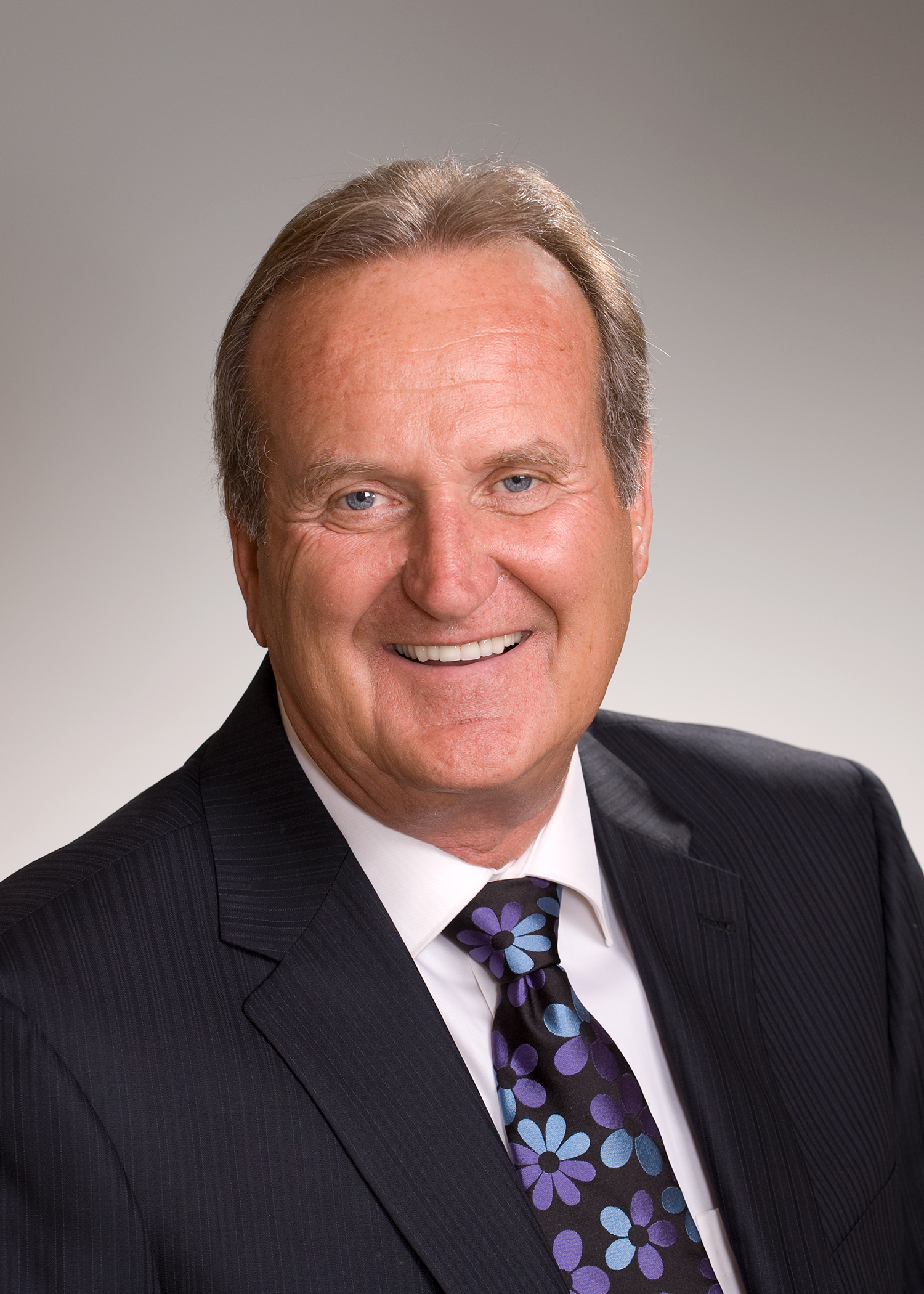
Mayor Stu Wells
Osoyoos Mayor Stu Wells and Oliver Mayor Ron Hovanes share similar concerns about the new South Okanagan correctional centre possibly pushing both communities over 5,000 in population.
Wells said skyrocketing policing costs are certainly a concern as municipalities in B.C. have to pay for 70 per cent of policing costs once their official population exceeds 5,000 instead of 30 per cent as they do now.
“Unfortunately I don’t think we are going to pry any special considerations from the provincial government,” said Wells.
Wells said the last census saw the official population for Osoyoos at 4,845, with Oliver at 4,824.
The next census is 2016, so Osoyoos might just make it under 5,000, Wells said.
The mayor noted that people hired to work on prison construction may not call Osoyoos their primary home and he believes there will be minimal correctional centre staff that move here.
“Just maybe we can duck the dreaded 5,000 number one more time.”
Wells said he doesn’t know how going from 4,999 to 5,000 should force small municipalities like Osoyoos and Oliver to more than double policing costs.
“All people use police and all people should pay for same,” he stated.
Hovanes is seeking some assurance that local RCMP services won’t be taxed to the limit when the new correctional centre begins operation.
The mayor sought answers at the Union of BC Municipalities convention in Whistler recently.
He met with BC Attorney General Suzanne Anton to discuss the issue of policing in relation to the Okanagan Correctional Centre (OCC).
Hovanes said research on other prison facilities suggests that the OCC will generate a file every time an incident occurs and incidents of a criminal nature will need to involve the RCMP.
As a result, that will have an impact on local RCMP resources and workload, the mayor pointed out.
Hovanes said the Oliver detachment is already taxed with staffing limitations and he doesn’t want resources diminished further by the added responsibility of addressing OCC files.
The mayor said he has not been promised more police officers in Oliver, where B.C.’s largest correctional facility is being built.
“We want solutions now rather than after.”
But Anton said she does not anticipate increased pressure on local police resources as the new prison becomes operational.
Anton said the government continually monitors policing resources.
This includes collaborating with communities and the RCMP to ensure adequate, effective policing in smaller communities like Oliver that are served by provincial detachments.
She noted the RCMP is monitoring workloads to assess resource implications that may result from the Okanagan Correctional Centre. “The new correctional centre will reduce pressure on local police lockups, where provincial inmates would normally be held while awaiting court outcomes,” Anton pointed out.
She stated that any new provincial member requests will be considered by the RCMP in balance with priority needs throughout the province.
“It should be noted that addressing crime isn’t just about officer numbers – integrated policing, engaged citizens, new laws and other initiatives have all contributed to B.C.’s lowest crime rate in decades.”
Neither Sgt. Kevin Schur from the Osoyoos RCMP nor Sgt. Ken Harrington from the Oliver RCMP could be reached for comment.
Hovanes agreed with Wells regarding the concern about Oliver surpassing 5,000 population, which he sees happening when the prison operation attracts new families to the area.
The mayor noted Oliver is only 200 permanent residents shy of 5,000.
Hovanes would like to see improvements made to the Oliver detachment before the population threshold is reached. He noted there is room to expand the RCMP building to make it larger.
“We should be lobbying now. We’re asking them (the ministry) to look after these concerns prior to them hitting us,” he said.
LYONEL DOHERTY
Special to the Times