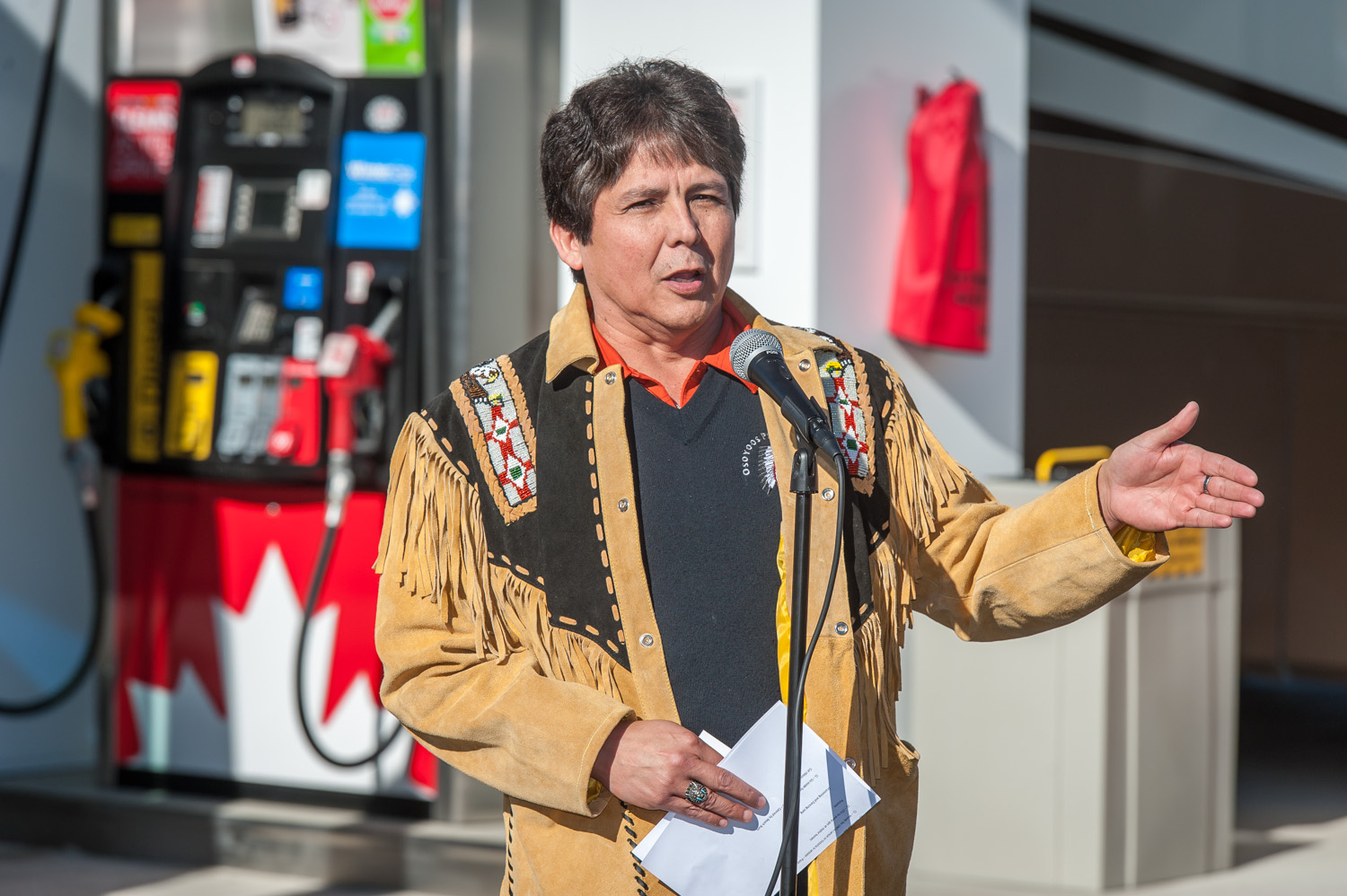
Chief Clarence Louie and the Osoyoos Indian Band were praised in a recent study commissioned by the renowned Fraser Institute (File Photo).
In a new study, the Fraser Institute points to the Osoyoos Indian Band as a prime example of how First Nations achieve economic success in Canada.
The study finds that First Nations with the highest living standards capitalize on, rather than oppose the economic opportunities available to them, and are governed by long-serving, fiscally-prudent leaders.
“The evidence is clear—successful First Nations rely on self-determination and make the most out of their own assets rather than relying on Ottawa for their prosperity,” said Tom Flanagan from the Fraser Institute, a public policy think-tank in Canada.
Analyzing results from the department of Indigenous and Northern Affairs’ Community Well-Being Index (CWB), the study finds the most successful First Nations with the highest CWB scores have stable, fiscally-prudent governments that are open to outside economic investment. For example, the Osoyoos Indian Band (OIB) scored 73 out of 100 on the CWB, compared to the average First Nations score of 59.
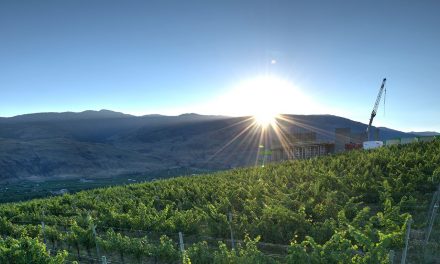
The study says the OIB operates more businesses per capita than any other First Nation in Canada, including three resorts, a golf course, the successful Nk’Mip winery, and an aggregates business.
“First Nations in Canada, like any government or individual, achieve genuine prosperity when they tap the potential of their communities and break the cycle of dependence,” Flanagan said.
OIB Chief Clarence Louie hadn’t read the study in depth, but said it’s always better to be ranked to the good than the bad.
“I don’t think OIB is at the top of the First Nations economic ladder – there are many First Nations who make far more income than OIB.”
Louie, who has spoken around the world about the OIB’s economic success, referred to bands that have gaming, oil, or mining revenues near big cities.
“Is OIB doing better than most, yes. Do we have big problems, yes. Do we need to improve, yes.”
Louie said Indian Affairs still underfunds every program on reserves, “therefore First Nations need to create their own income and job opportunities.”
Lyonel Doherty
Special to the Times