By Lyonel Doherty, Times Chronicle
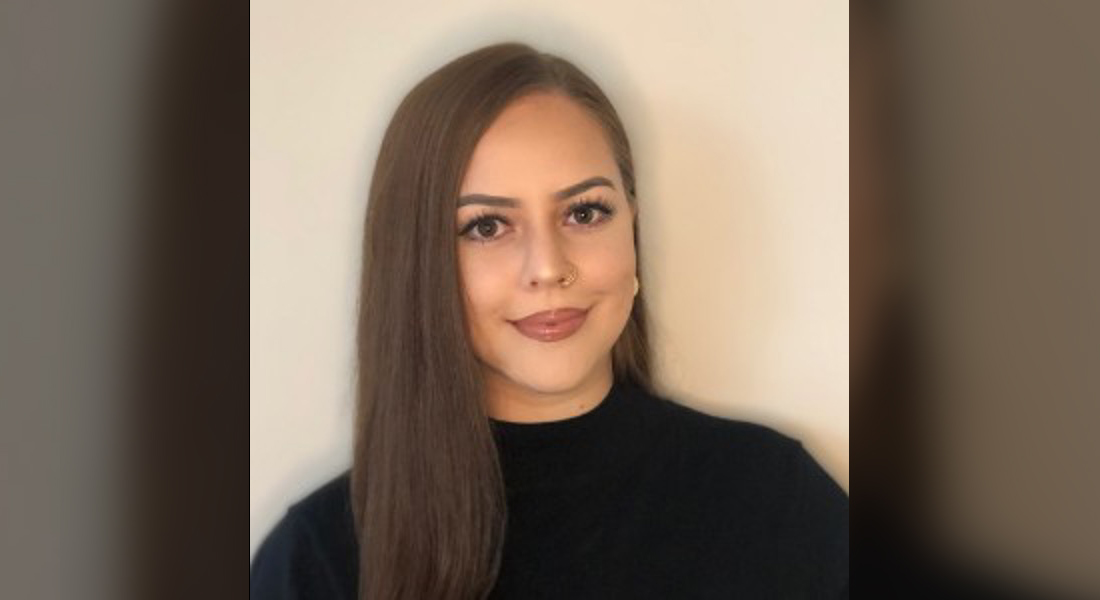
Celina Ruhland can’t help it, but “planning” is a word that invades her mind on a daily basis.
Perhaps that’s why she is this year’s recipient of the Canadian Institute of Planners’ President’s Award at UBC’s School of Community and Regional Planning (SCARP).
The former graduate of Southern Okanagan Secondary School in Oliver has made her parents very proud considering the challenges she’s had to overcome.
“I am so amazed and proud of her hard work to get this far,” said mom Joanne Ruhland.
SCARP says Celina’s passion for “equity” and “spacial justice” has shaped her journey in becoming a professional planner.
Celina is a second-year graduate student at SCARP. She was born and raised in Oliver but moved to Vancouver 10 years ago to complete her undergrad in human geography, where she was first introduced to planning.
Celina told the Times Chronicle that she was initially inspired by her dad Jim Ruhland and his construction company.
“I remember seeing drawings in his office and would love when he took us to jobsites during different stages of construction.”
After beginning her studies, she took an interest in how poor planning and design of public spaces can marginalize certain people, as well as encourage or discourage certain behaviours.
During high school, her mom asked her what she wanted to do with her life. She didn’t know, but deep inside she wanted to “help people.”
Celina said her mom instilled in her the importance of giving back to the community.
“It’s hard to put it into words why equity and justice are so important to me, other than it just feels like the right thing to work on.”
As someone who had the privilege to go on to higher education, Celina wants to use her voice and skills to empower those who have been marginalized and oppressed in society. As a planner, she looks at ways that the profession has mirrored power structures and injustice, and tries to find solutions.
But she learned that humans are social creatures that need each other to survive.
“That’s why community is so important. I think the COVID-19 pandemic has reminded many of us how important these networks are and how powerful change can be if we work together.”
The young woman finds her profession so compelling because of what you can do in many different fields.
In her final year at SCARP, she found her passion in transportation planning, specifically designing for accessible car-free communities.
Celina admitted that car-free sounds a bit futuristic or unrealistic.
She said another way to think of it is “car-last” where communities are designed to make driving the least attractive option for getting around.
Celina doesn’t drive a vehicle and relies on public transportation. But she soon noticed that even in a city, there were still so many flaws that made driving the more efficient option to get from point A to point B.
Celina said designing accessible communities is more for the health of current and future generations.
“The first obvious reason is the impacts of automobile use on greenhouse gas emissions as we face a global climate crisis.”
How many social connections can you make when you’re driving a car?
Celina said it’s all about questioning the ways that communities have been designed over the past 100 years. Then finding solutions to make these places inclusive, safe, and enjoyable for everyone.
The planner’s career goals are to continue her accessibility advocacy work, which she has already started in her new role with the City of Vancouver’s Street Use Management branch.
SCARP recognizes and celebrates Celina’s persevering regard for equity, possibly the most crucial consideration in planning.
“Her experiences and insights already are precisely what can lead to extraordinary transformations when applied to tomorrow’s world,” SCARP says.