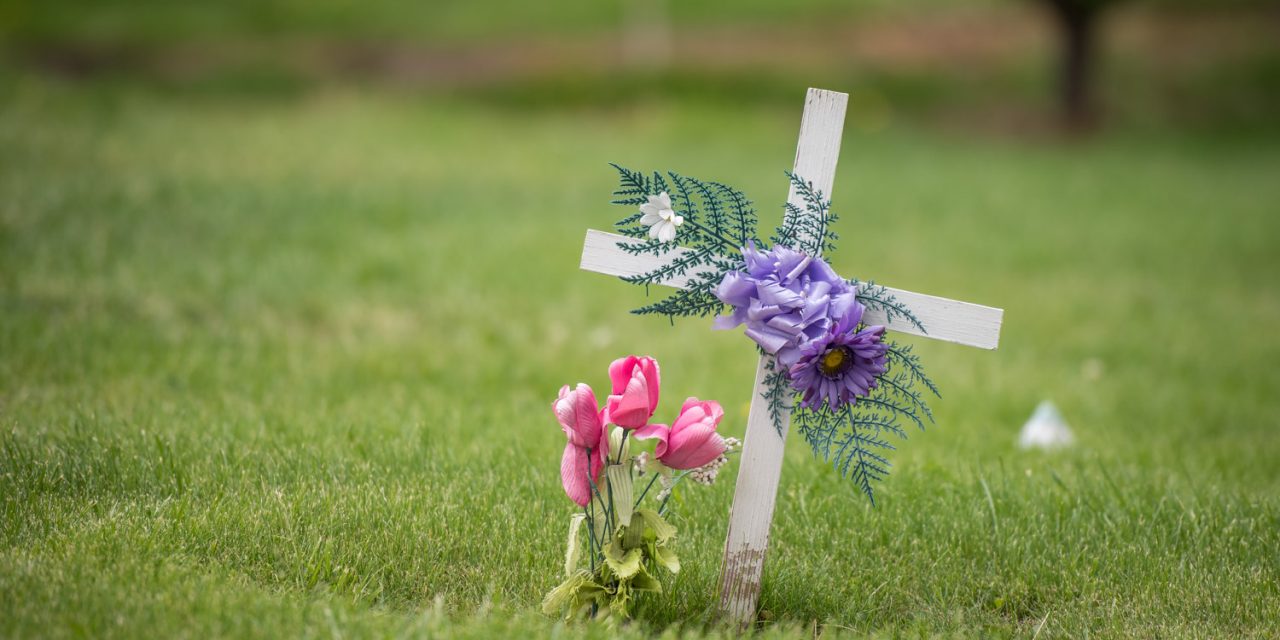
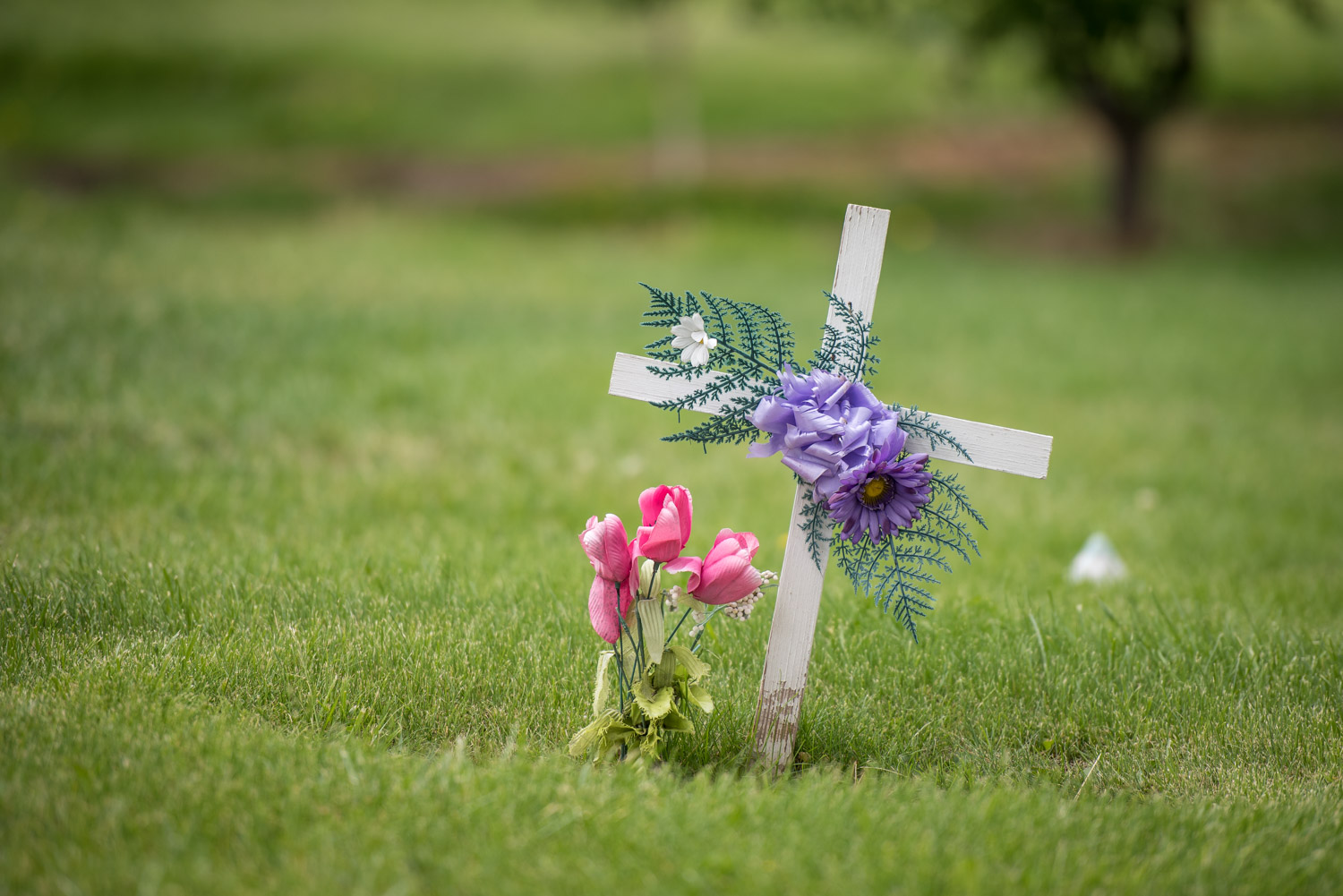
People don’t get over the loss of a loved one in three months or even three year, says Lois Brummet. Talking to a trained counsellor can help with the grieving process. (Richard McGuire photo)
The loss of a loved one is not something people get over in three months or even three years, says Lois Brummet, program director at the Desert Valley Hospice Society (DVHS).
But sometimes talking about one’s feeling of grief can be part of the healing process.
That’s the idea behind a new Grief Support program that DVHS is launching in Osoyoos and Oliver.
The society, which is devoted to end-of-life care for those with terminal illnesses, has already been doing grief support. The new program, however, formalizes and raises the profile of this service, said Brummet.
Anyone grieving the loss of a loved one can call DVHS at 250-495-1590 and they will be put in touch with a specially trained hospice volunteer.
“It’s not just a one-time thing,” said Brummet. “We’ve set it up on a three-visit model. The first visit is always the preliminary listening to what the person has to say and the details. They usually need to talk extensively about their loss and about the person they’ve lost. Then usually, a couple of weeks later, they come back and see the same volunteer.”
The volunteer looks at where the person is going, reassuring them that what they are going through is absolutely normal.
Volunteers have taken additional training in listening and interviewing. Most are long-time hospice palliative care volunteers and many have gone through bereavement themselves.
The counsellors provide emotional support, but they don’t do any counselling on some of the practical challenges that people often face after the loss of a loved one, such as estates and finances. Nonetheless, they can provide brochures and contact information for resources that can help in these areas.
Everybody experiences grief differently, but for many people, talking about their feelings can help.
“When we’re hit with the shock of a loss, we have to get those feelings out,” said Brummet. “They have to be talked about… One of the first things they have to come to grips with is that this is a reality, that life will never be the same again. It’s a new normal that they’re going to be looking at.”
Different people have different reactions to the loss of a loved one and they often pass through different stages.
“Usually at the beginning there’s that shock, that disbelief,” said Brummet. “That’s nature’s way of protecting us, because some of these horrendous things we can’t absorb all at once. So the person has to come to terms with reality that the person has died. There can be a bevy of reactions. Some people get very angry and they want to blame somebody. They blame everybody from God to the devil.”
Others become very depressed, she said. They find themselves extremely tired for months after the death.
“Over time they notice that they’re getting more and more energy back and they can do more than just get out of bed and make toast,” said Brummet.
The loss of a loved one to a terminal illness is different from a sudden death such as when a person is killed in an accident. The shock, however, can be the same when the person dies.
Brummet said when a person is diagnosed with a terminal illness, loved ones often experience what is called “anticipatory grief” where they look ahead and try to imagine the loss.
Nonetheless, when the person actually dies, there is still shock and intense grief.
Grief also is influenced by the relationship with the person who has died and the age of the person.
“It’s very difficult to have a child die,” said Brummet. “Our kids are not supposed to die. So there are many factors. Some people are not immediate reactors. They seem to be very stoic and people think they are bearing up well, and yet they’re still internalizing things. It hits them later.”
Grieving is normal and the volunteers are there as companions to help people through it, said Brummet.
For more information, visit www.desertvalleyhospice.org.
RICHARD McGUIRE
Osoyoos Times