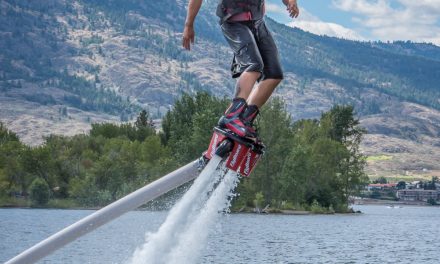
It’s deceptive. The water level of Osoyoos Lake is close to 912 feet above sea level, which is about normal for this time of year.
It looks like there’s lots of water in the Okanagan Lakes and that can lead some people to the conclusion that water conservation efforts aren’t really necessary.
For many people, having a perfectly green lawn, even in the desert, seems like a God-given right.
But this is one of the driest summers in decades in the Okanagan and authorities at the municipal, regional and provincial levels have been urging conservation.
In June, the Town of Osoyoos invoked its water bylaw to restrict lawn watering to two days a week – Saturdays and Tuesdays for those who live at even numbered houses and Sundays and Wednesday for those living at odd numbers.
At the time, council was being proactive, though in the view of some, it was overreacting. But with an especially dry June, council’s aggressive action has proven to be the right move.
Now some municipalities have reduced water use to just one day a week.
And on Friday, the B.C. government announced a category 3 drought in a number of regions, which led to a fishing ban on rivers and streams in many areas including the South Okanagan.
So what about all that water sitting in the lake?
Currently the State of Washington is holding back water at the Zosel Dam in Oroville to maintain the lake levels within the targets set under the International Joint Commission.
But as the summer wears on, unless there are major rainfalls, demand for that water is going to increase.
Already, what was hoped would be another abundant salmon year now appears like a disaster. Fish are dying both because of high water temperatures and low water flows.
One of the biggest users of water is agriculture and there will be demand from orchards and vineyards all along the Columbia River system and its tributaries, such as the Okanagan/Okanogan rivers.
The watering of lawns is the largest use of domestic water consumption, but even such uses as flushing toilets, running the sink or taking a long shower add up when spread over the entire population.
A number of Osoyoos residents have complained to the Osoyoos Times that the town has not been capable of enforcing its bylaw. They are bitter that they are following the rules and their lawns are brown, but their neighbour who waters with impunity at all hours has a green lawn.
The town says it is following up with letters to offenders, but there is an education process because this is the first time many residents have faced such a bylaw.
We do live in a desert-like environment and we do need to think more about conserving water. As climate changes, droughts will increase.
Ultimately agriculture could use water more efficiently with techniques developed in other dry parts of the world. But changing requires investment and adaptation and can’t occur overnight.
Osoyoos may need to follow most other Canadian communities and impose water metering, though this is not likely to be popular.
These, however, are longer term solutions.
For now, the best we can do is develop an awareness about our water consumption habits and try to cut down on waste. And respect the decision of council and obey the present water restrictions until conditions improve.