Holy smokes … what a blazing hot summer we’re having here in Osoyoos and across the Southern Interior of British Columbia.
After one of the wettest springs in recent memory with seemingly endless rain throughout April and much of May that led to serious concerns over potential flooding, Mother Nature has reversed course and blanketed the region with brutally hot summer weather for almost seven consecutive weeks.
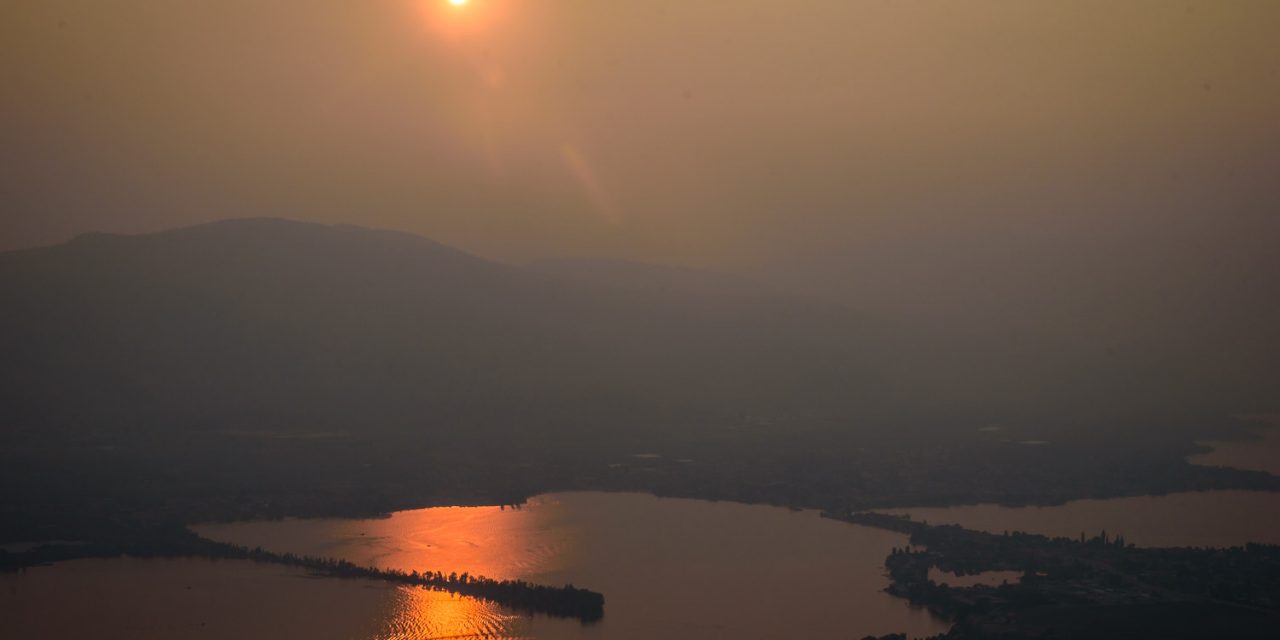
The blazing hot weather has resulted in dozens of wildfires across the province and this has caused the massive amount of smoke that has covered Osoyoos – and much of the Southern Interior – for days and weeks on end.
This past weekend, it appears human error caused a small, but potentially dangerous wildfire on Anarchist Mountain.
Fortunately, crews from the Anarchist Mountain Fire Department were on the scene quickly and managed to contain the fire to less than 10 hectares and without any serious damage to property or threat to human life.
This extended period of brutally hot and dry weather is expected to continue over the next several days, but there does appear to be some relief in sight as the long-range forecast is calling for reduced temperatures and even the possibility of rain by the end of this week or early next week.
Until the cooler temperatures and rainfall does arrive, we’re all going to have to get used to smoke-covered skies blanketing Osoyoos and the rest of this region.
Anyone who lives in Osoyoos and the South Okanagan realizes that blazing heat is pretty much normal this time of year.
However, it’s very rare to have weeks of endless rain and the potential for serious flooding followed by such an extended period of hot summer weather without a single drop of precipitation for weeks on end.
Here’s hoping that Mother Nature co-operates just a little and brings cooler temperatures and maybe even some rain in the next little while.
It would provide a welcome relief to millions of British Columbians who have endured so much heat and smoke this summer.
Even one or two hard days of rain would also play a critical role in assisting weary and exhausted firefighting crews who have battled so long and so hard against the endless string of wildfires that have raged over the past two months.