Don Urquhart, Times Chronicle
The B.C. Wildlife Federation (BCWF) is calling for a science-based return to restricted backcountry access to fire-damaged forests, saying the post-fire road closures announced by the Ministry of Forests have “devolved into chaos.”
The conservation group is urging its 43,000 members and the public to contact their MLAs and Forests Minister Katrine Conroy asking for a return to sensible restrictions in access to fire-damaged forests and a moratorium on commercial activity in those areas.
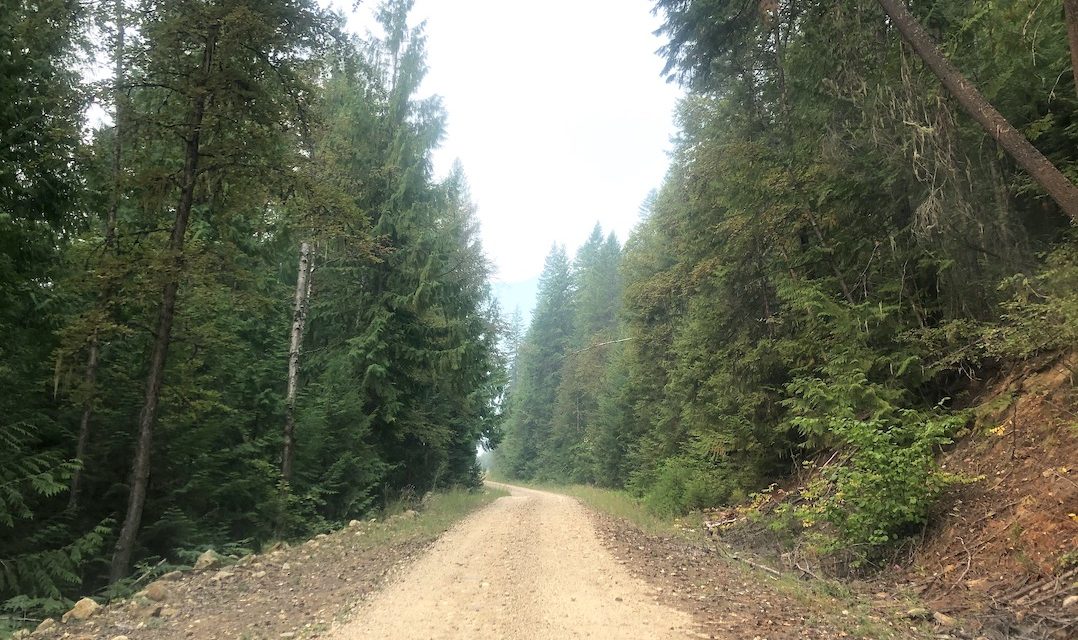
The Ministry announced in late-May that backcountry roads closed in October 2021 across the Thompson Okanagan region, following 15 severe wildfires, will remain closed including roads in the Thomas Creek and Nk’Mip areas.
The roads were closed to allow areas to recover from wildfire impacts including: erosion of charred soils and impacts fish habitat; increased vulnerability of wildlife due to migration disruptions, habitat loss and loss of vegetation cover; and increased open areas due to construction of approximately 2,900 kilometres of fire guards.
“We were in complete agreement with the government about the need to restrict access to fire-damaged areas of the Thompson-Okanagan to prevent erosion, limit the spread of invasive weeds, and prevent environmental damage by off-road vehicles, and to allow natural regeneration,” said BCWF executive director Jesse Zeman.
“The Thompson-Okanagan already has road densities that are three to four times higher than the science-based threshold that negatively impacts wildlife; the wildfires only made that worse. There is a need to reduce our impact in critical areas to allow our streams and forests to regenerate.”
The BCWF says some “reasonable” exemptions were granted by the ministry for salvage logging and people with cabins in the fire-damaged area, but added that this spring the government issued permits for scouting by wild mushroom buyers.
“Mushroom picking is an unregulated industry that operates outside ministry guidelines,” Zeman added.
He said that a lack of funding for natural resource officers has resulted in poor signage and very little enforcement.
“Things really went sideways after the mushroom buyers photocopied their permits and handed them out to pickers. So, it’s essentially turned into a free for all, for all,” Zeman said, adding that “it now appears any commercial operators including guides, ATV tour operators and anyone with a commercial interest is exempt from the closures, while the public is locked out.”
He does however add that recreational users have also been reported driving motorized vehicles on closed roads, and off-road vehicles are reportedly being used off trails.
“The BCWF supports a return to principled, science-based access to post-wildfire forests, in which critical areas are off-limits to all motorized access.” Walking, biking or horseback riding, if done responsibly, are acceptable, he said.