By Lyonel Doherty, Times Chronicle
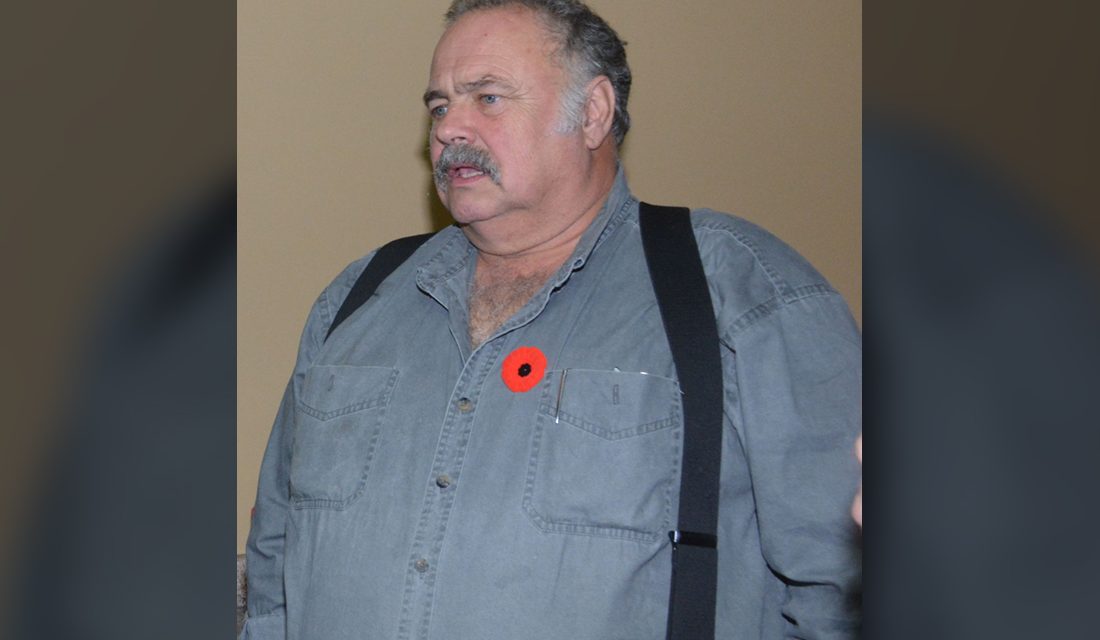
Property tax relief and reducing the burden on rural fire departments are top of mind for Area C director Rick Knodel. That’s why he brought these issues to the UBCM convention recently.
Knodel said there is an inequity in that regional districts do not have the ability to change the tax multiplier like municipalities to amend the mill rate for property taxes. This leaves regional districts at a disadvantage, he pointed out.
Knodel said the current methodology is that the material increase in property values results in an increase in taxes.
His recommendation is to allow each electoral area to set their own tax multiplier similar to municipal governments. This will allow for regional districts to adjust for market increases that have affected a specific tax classification.
Further to that, Knodel recommended if a property assessment increases above the 2016 average, the homeowner grant would increase $5 per $1,000 of assessment to a maximum of the school tax amount.
If the property assessment decreases below the 2016 average, the grant would decrease $5 per $1,000 to a maximum of $250.
Knodel said there is an unfair distribution of taxes in the regional district.
He stated of the 15 jurisdictions, seven rural areas have the largest assessment increases. The increases ranged from 38.94 per cent to a high of 52.09 per cent.
The director said his property tax concern garnered some attention from the Ministry of Finance since it offered a workable solution as opposed to just criticism.
Another issue the director raised at the convention was funding for flood control in the Sportsmen’s Bowl and Park Rill areas.
Another drum Knodel is “pounding religiously” is the regulatory burdens placed on rural fire departments, including Willowbrook. He likened it to a government “building a bridge where there is no river.”
For example, he said the Willowbrook department had a 25-year-old truck with low kilometres, yet the underwriter rules dictated they had to replace it with a newer truck, which was a huge expense to the taxpayer.
Knodel said fire chiefs are faced with growing duties and “stacking regulations” that are becoming quite onerous. That’s why he is advocating for more money to make rural fire chiefs a paid position as opposed to placing it on the backs of taxpayers. He added that rural fire chiefs’ duties are extensive, including budget planning, wildfire invoicing, and fire inspections.
Knodel said that rural fire departments are first on scene in many cases. In fact, he stated that Willowbrook prevented several small fires from developing into forest fires this year, saving millions of dollars. But it worries him that all of these extra duties and regulations will become too onerous for the men and women who keep our communities safe.