

By Don Urquhart, Times Chronicle
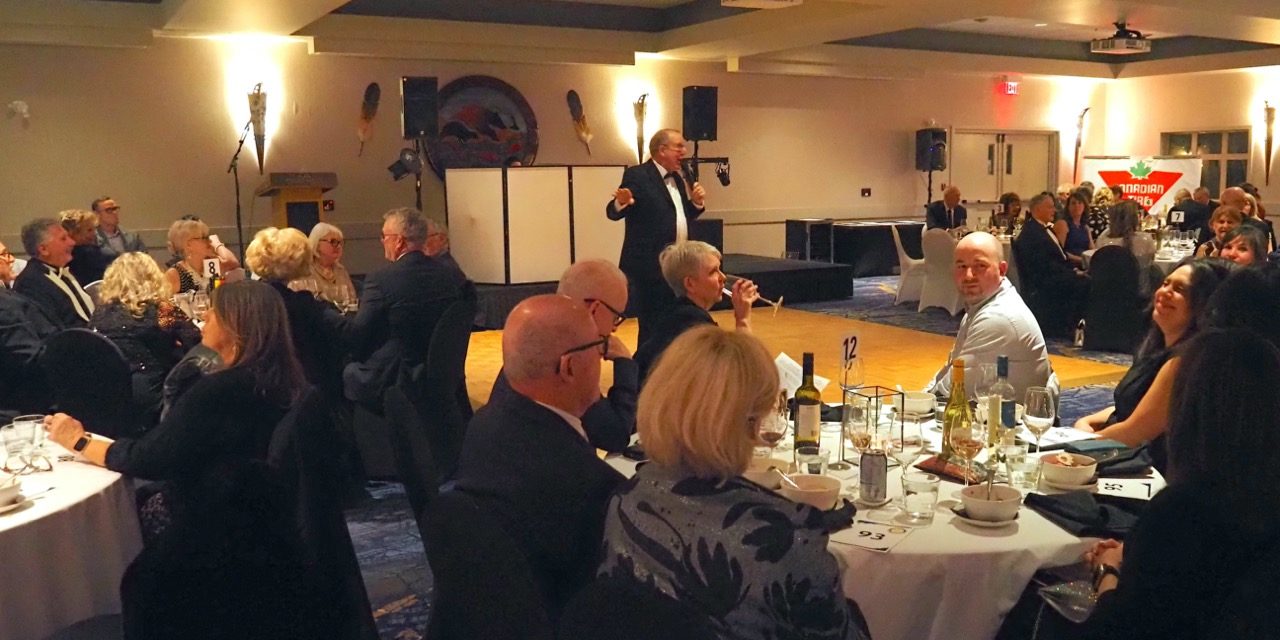
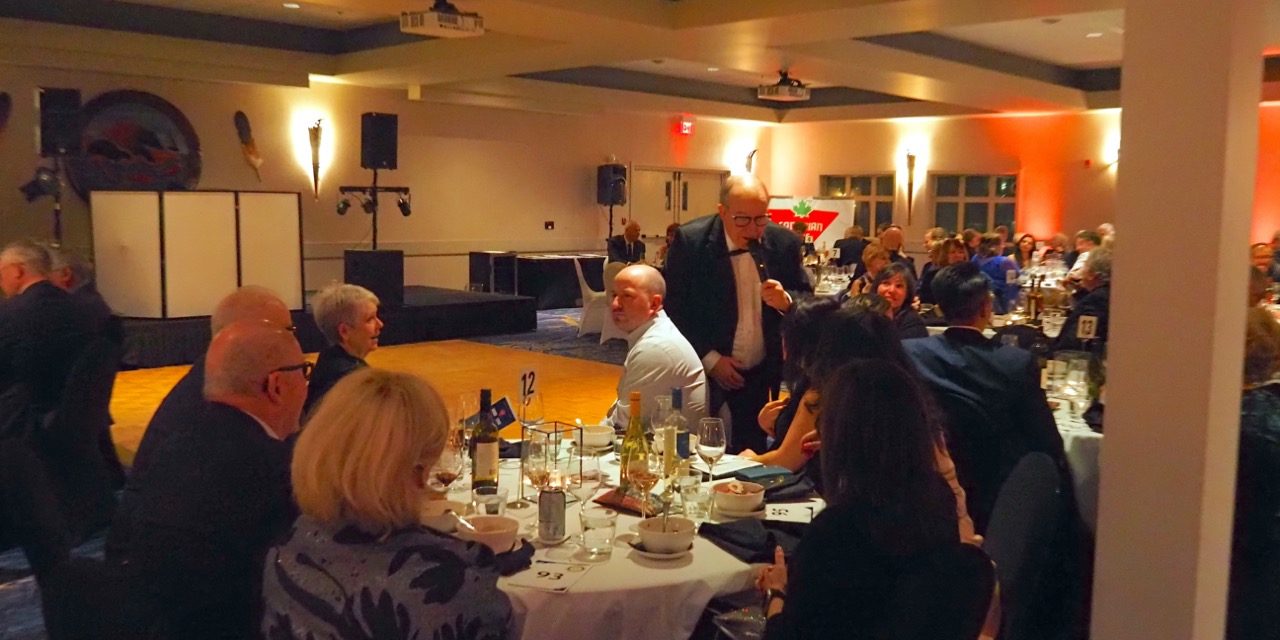
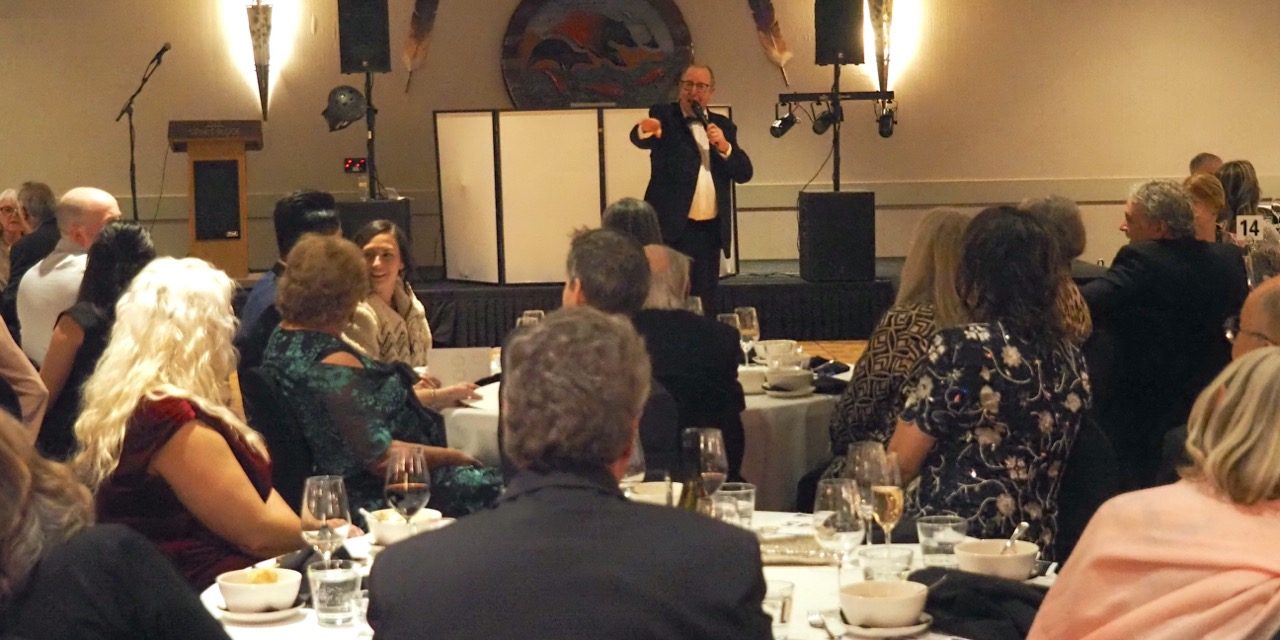
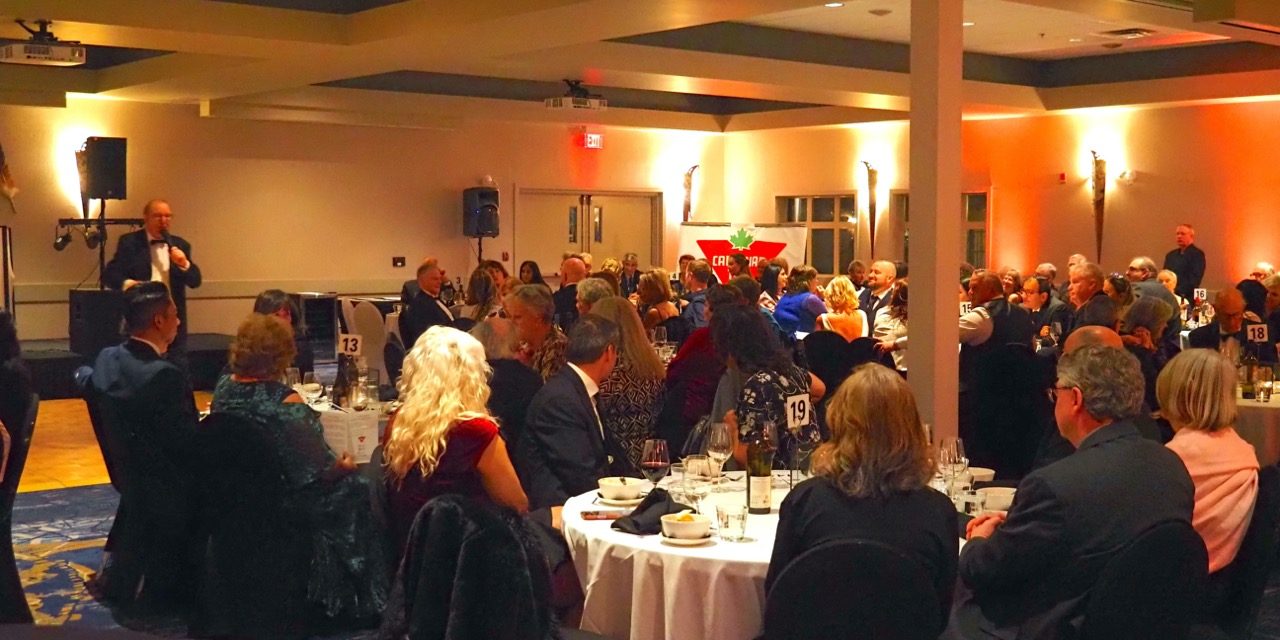
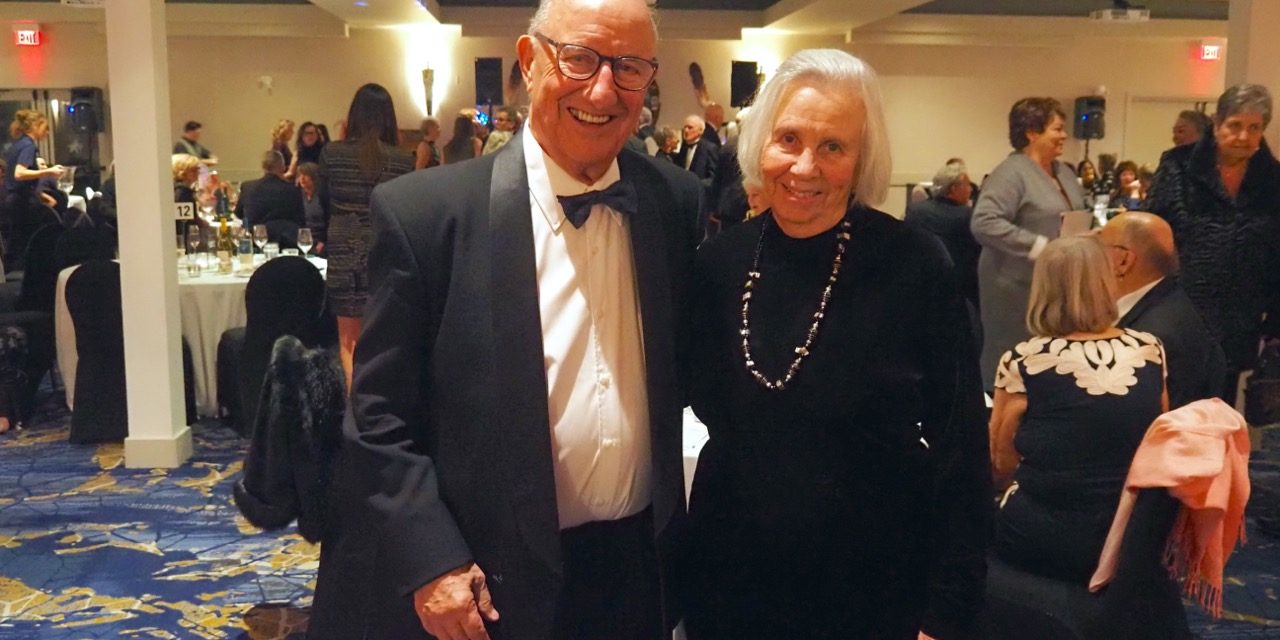
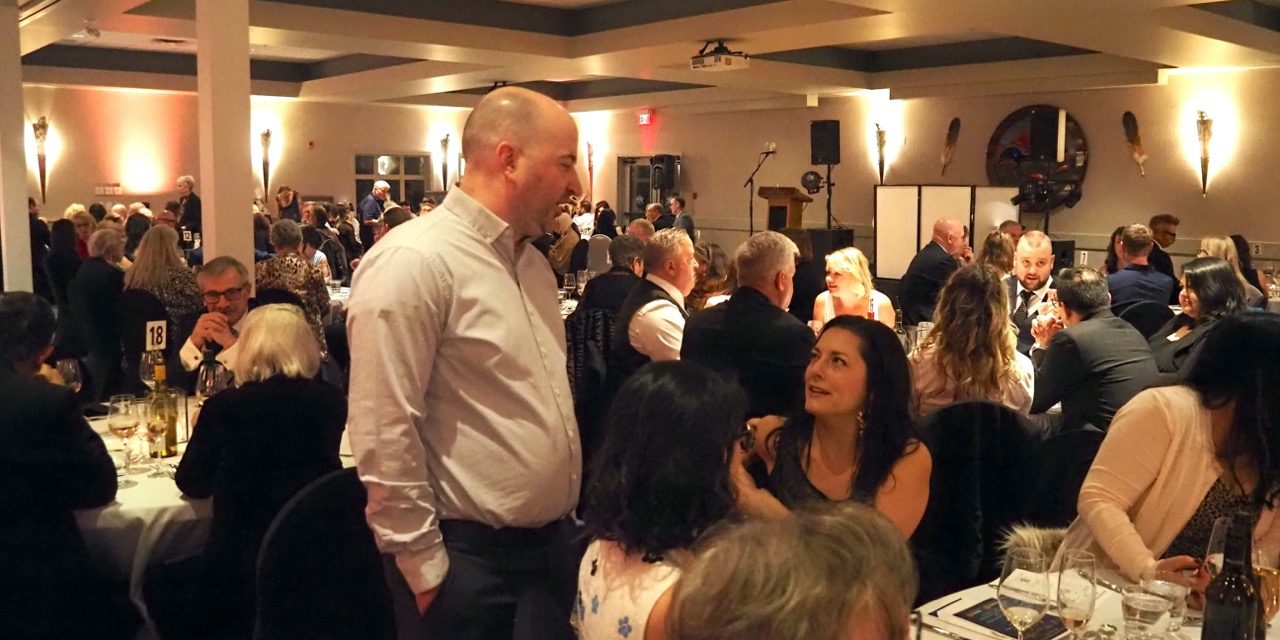
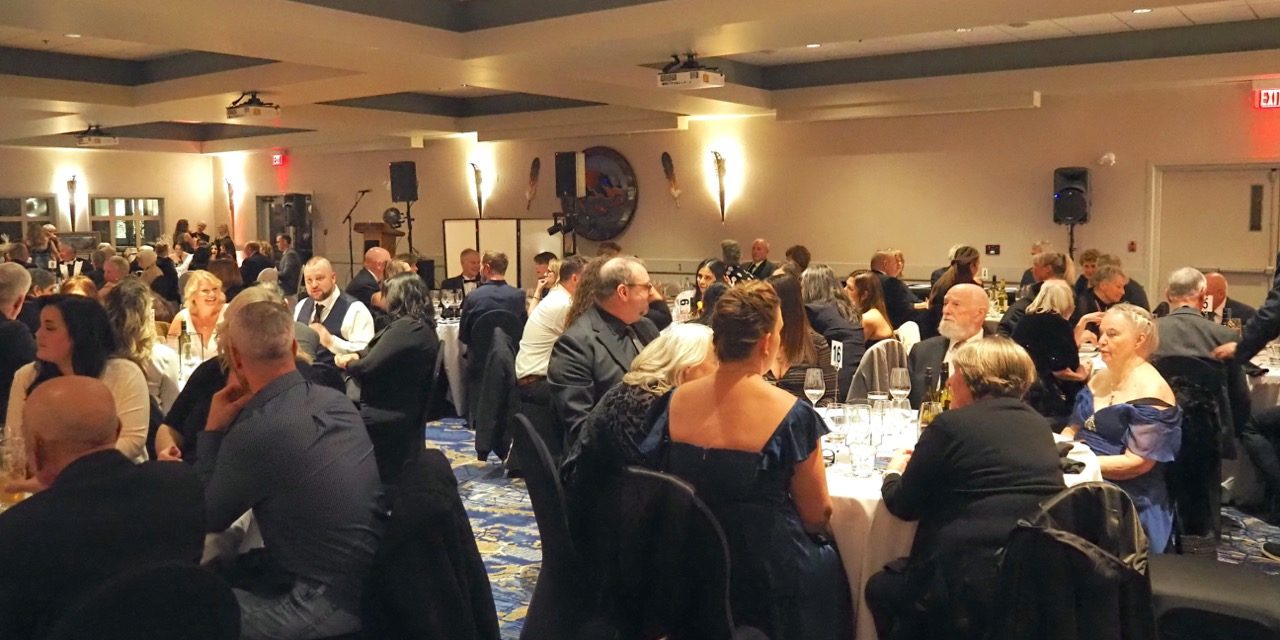
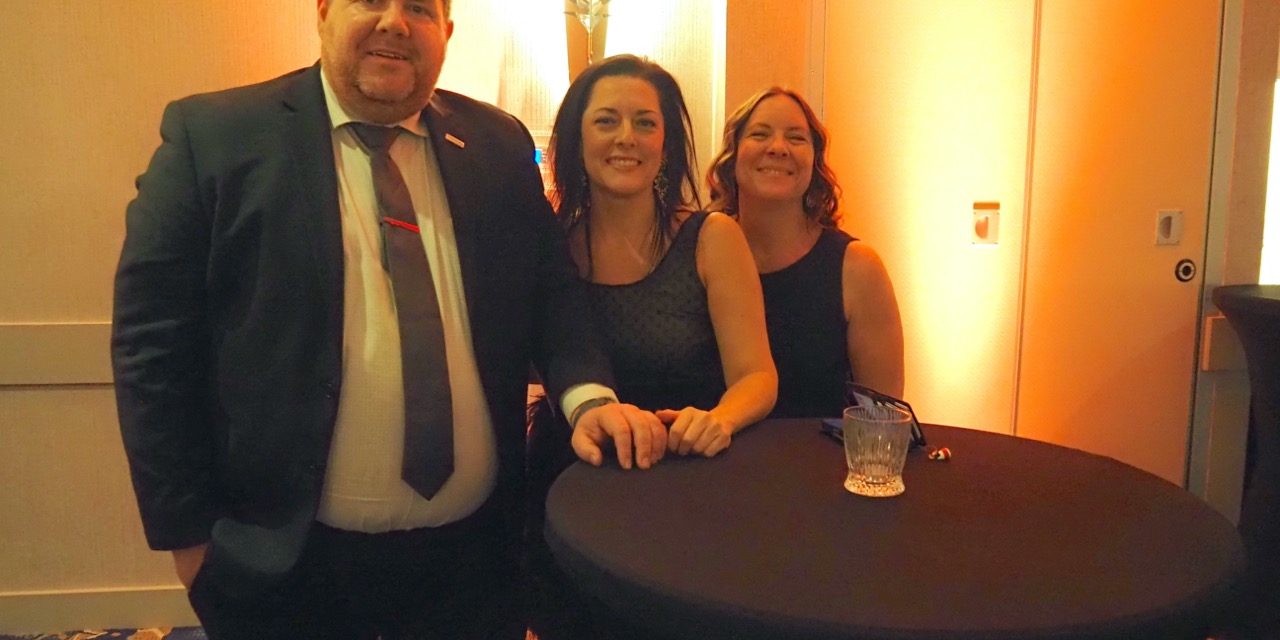
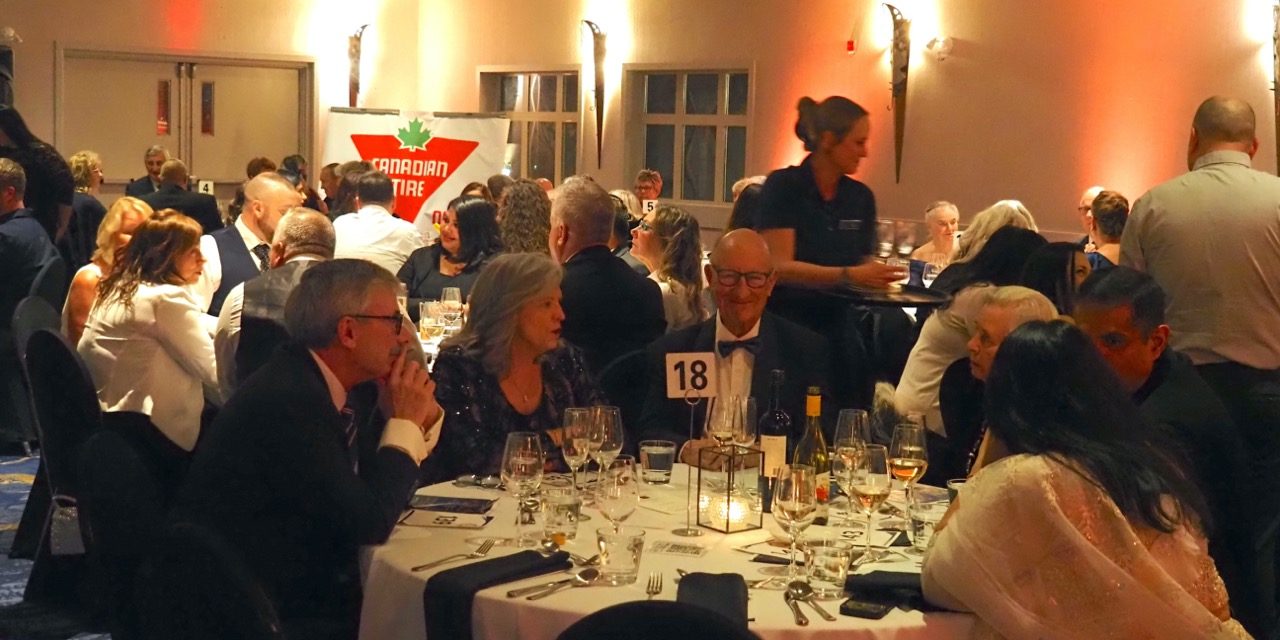
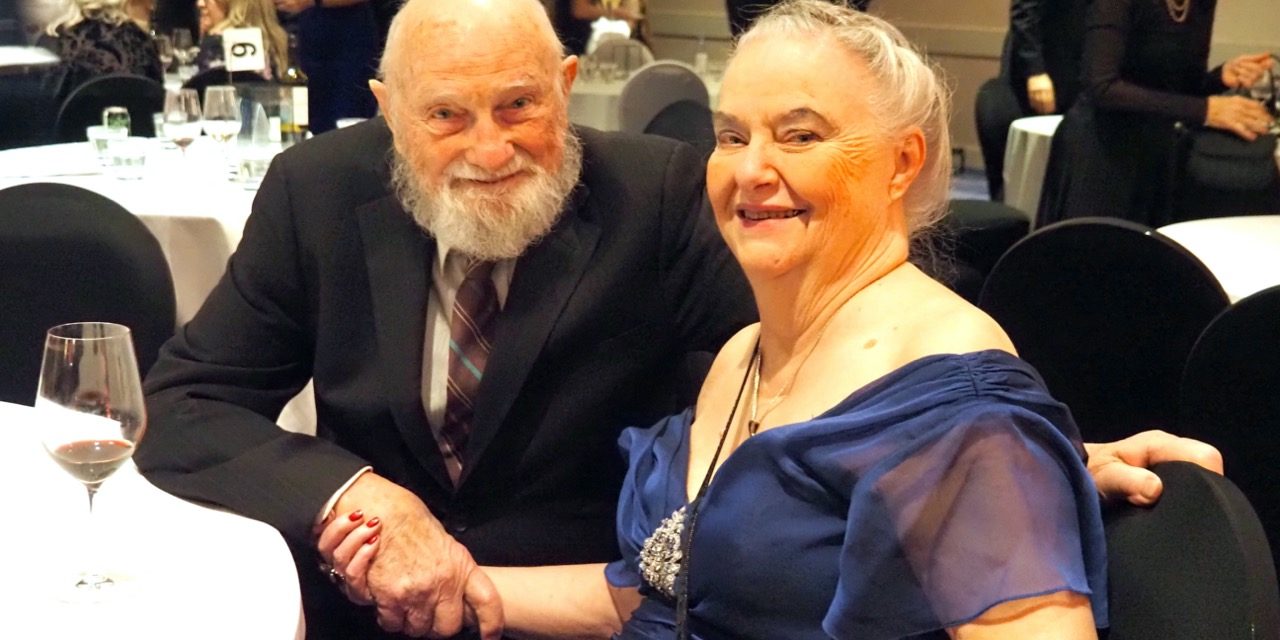
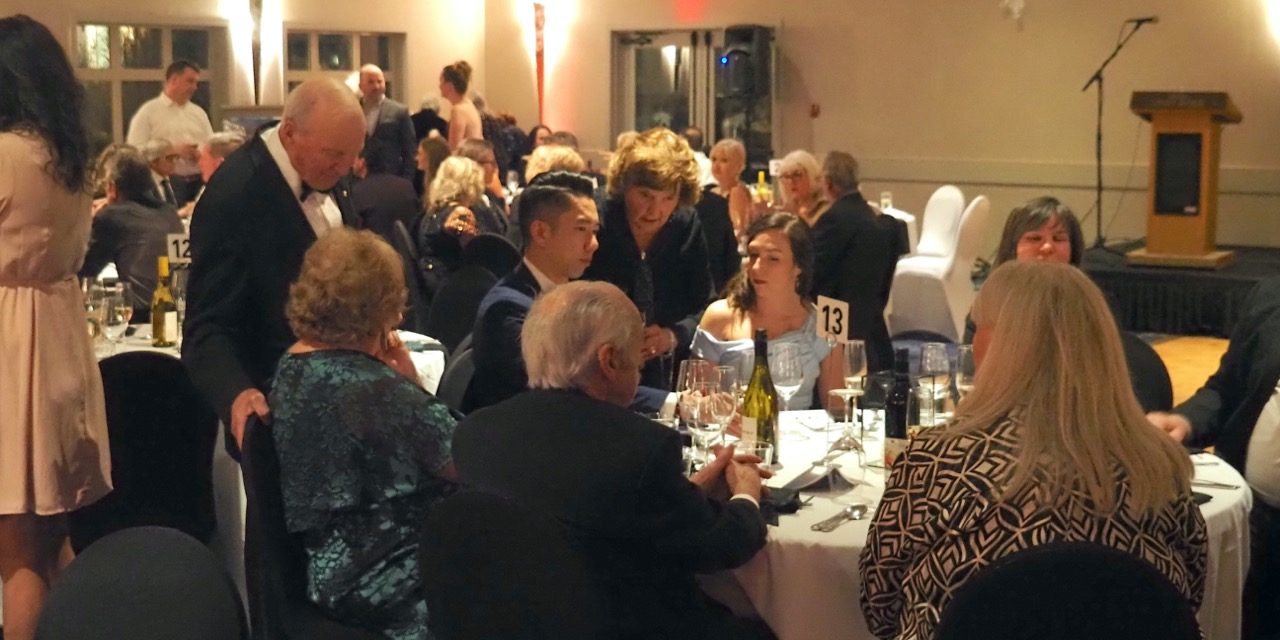
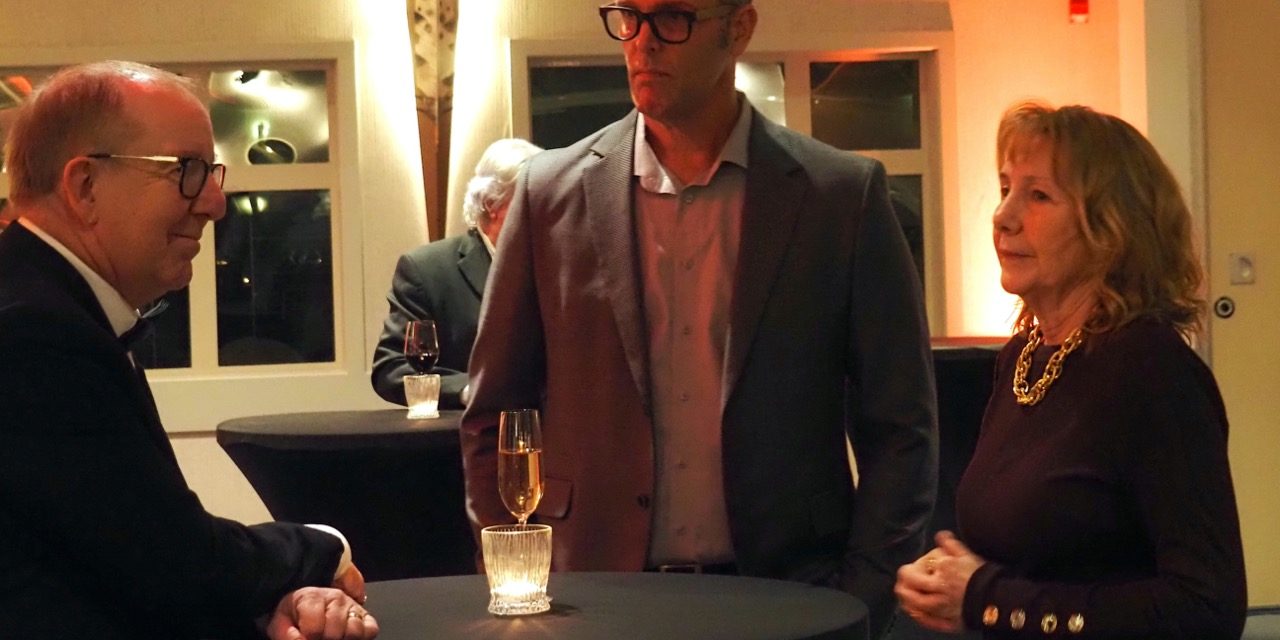
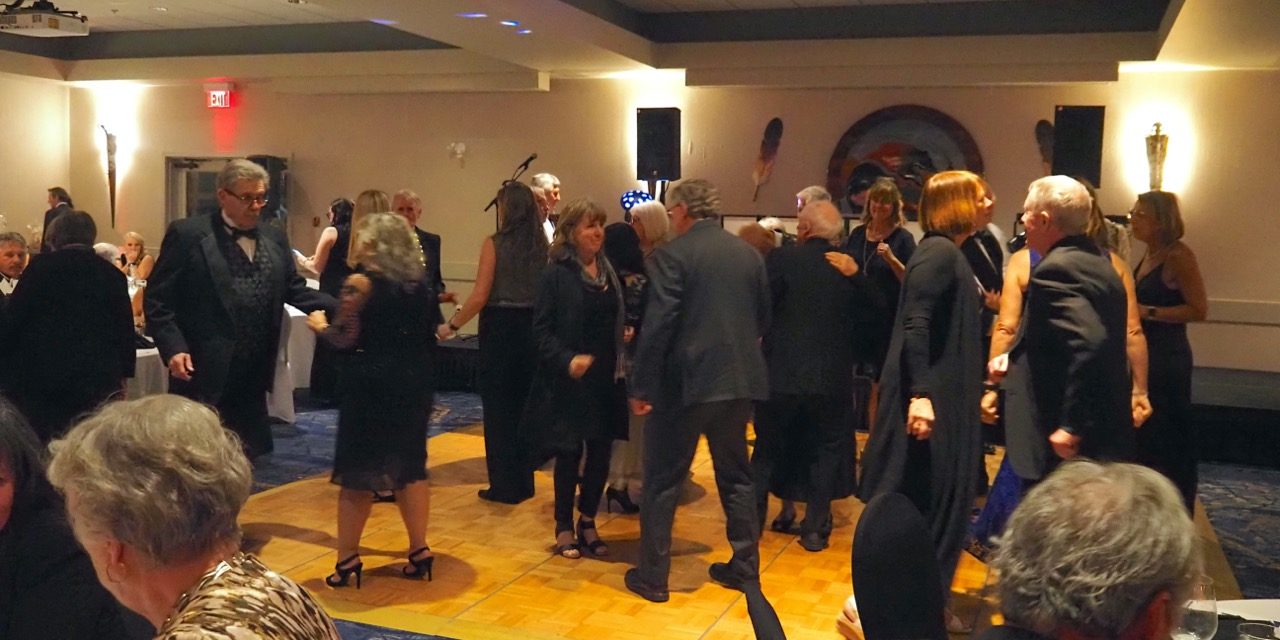
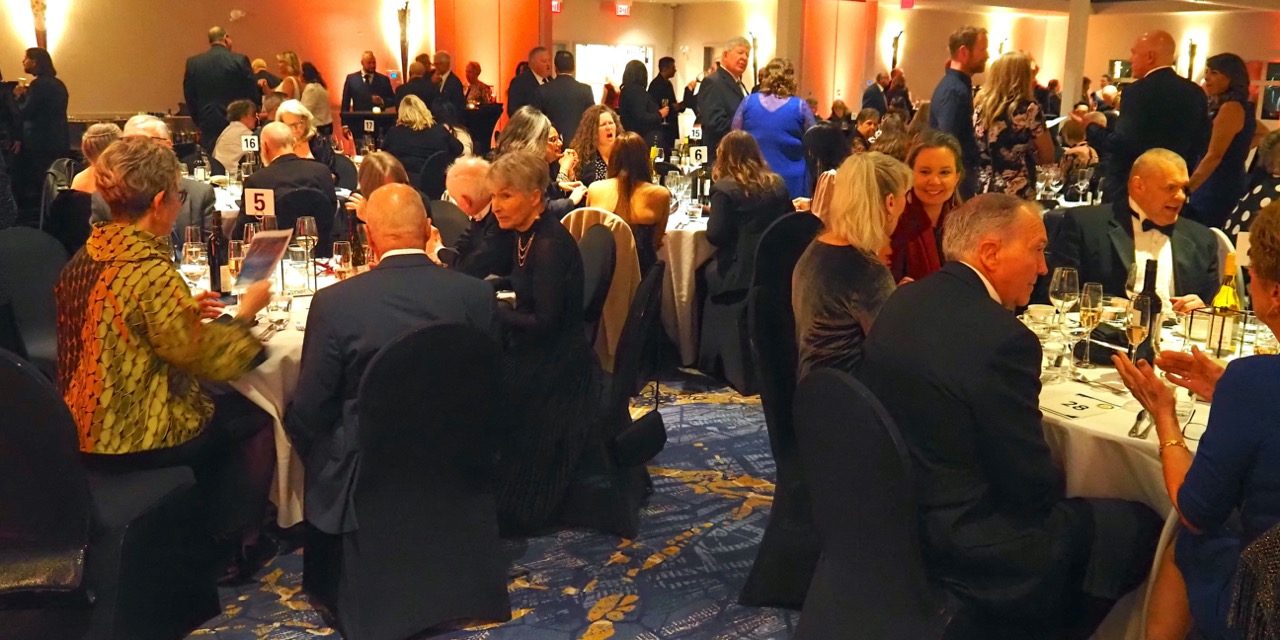
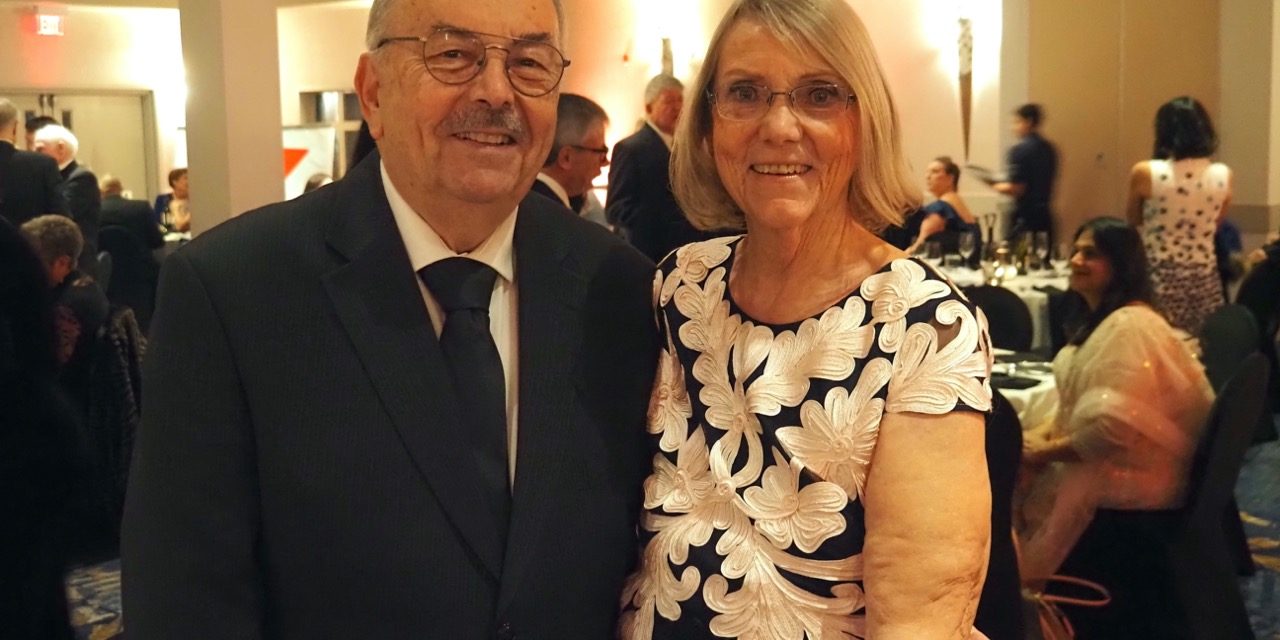
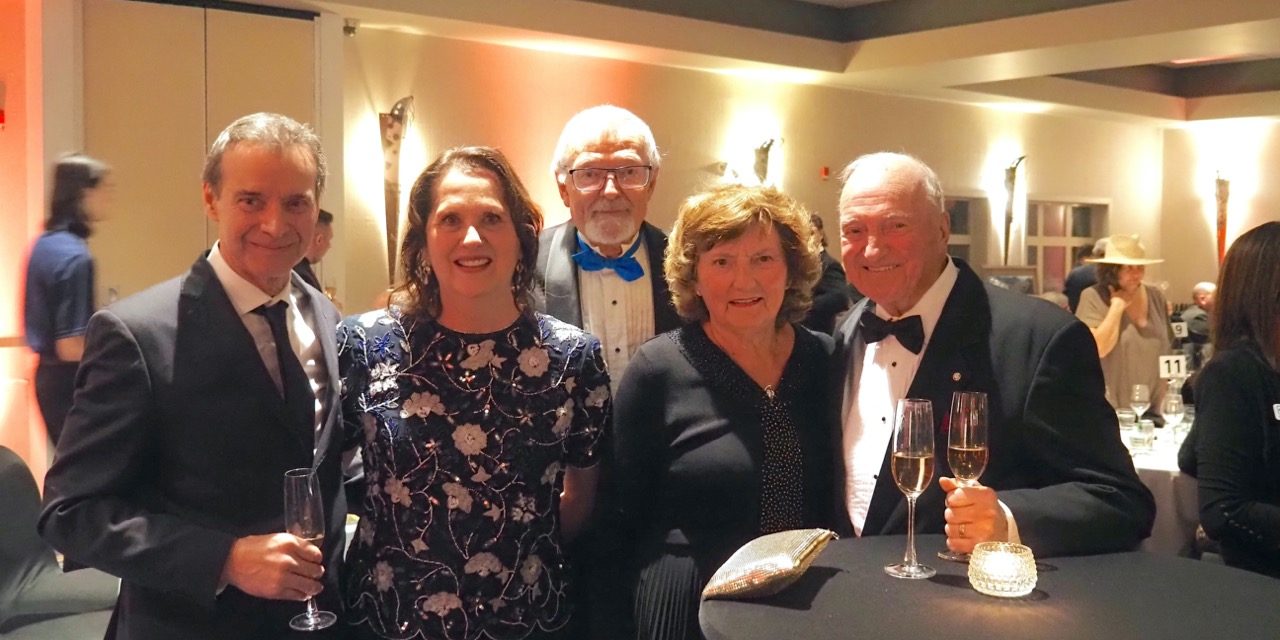
At a sold-out black-tie gala co-hosted by the Rotary clubs of Oliver and Osoyoos on Saturday, Jan. 24, community members gathered in support of the ongoing campaign to raise $2 million for equipment and recruitment at the South Okanagan General Hospital (SOGH).
The event, attended by 160 guests, was very successful according to Osoyoos Rotary Club President, Valerie Rasmussen.
But beyond the technical upgrades, “the initiative reflects a broader philosophy: that ‘basic’ government-funded healthcare is no longer enough for small communities seeking equitable access to modern care,” highlighted Ian Lindsay, Chief Executive Officer for the South Okanagan Similkameen (SOS) Medical Foundation.
“We believe in better health care. We think everyone deserves the best health care. We don’t believe that the government’s basic health care is enough for our communities, and so that’s what we’re changing here tonight.”
The $2 million campaign, which is led by the SOS Medical Foundation and kicked off in late September, has already raised $560,000, with the Rotary Clubs of Oliver and Osoyoos joining hands to put on the black-tie Winter Gala and Auction on Jan. 24.
As the evening’s fundraiser rolled on with both a live and silent auction along with “wish list” donations for specific items, attendees were urged to see themselves as partners in reshaping the region’s healthcare future – one donation, and one upgraded service, at a time.
Introduced as a “legendary” champion for SOGH, Martin Johansson, Mayor of Oliver, who is also Chair of the Okanagan Similkameen Regional Hospital District, Vice Chair of the SOS Health Care Society, and a board member of the SOS Primary Care Network (PCN) steering committee, Johansson has had a front-row seat to the ongoing crisis.
He noted that over the last year, SOGH’s emergency department has faced 30 closures – making the hospital’s record the third worst in the province, according to Lindsay – while an estimated 4,500 residents in the Oliver–Osoyoos area remain without a family physician.
Many of these “unattached” patients turn to the ER as a walk‑in clinic, putting immense strain on emergency doctors and lengthening wait times, he noted.